
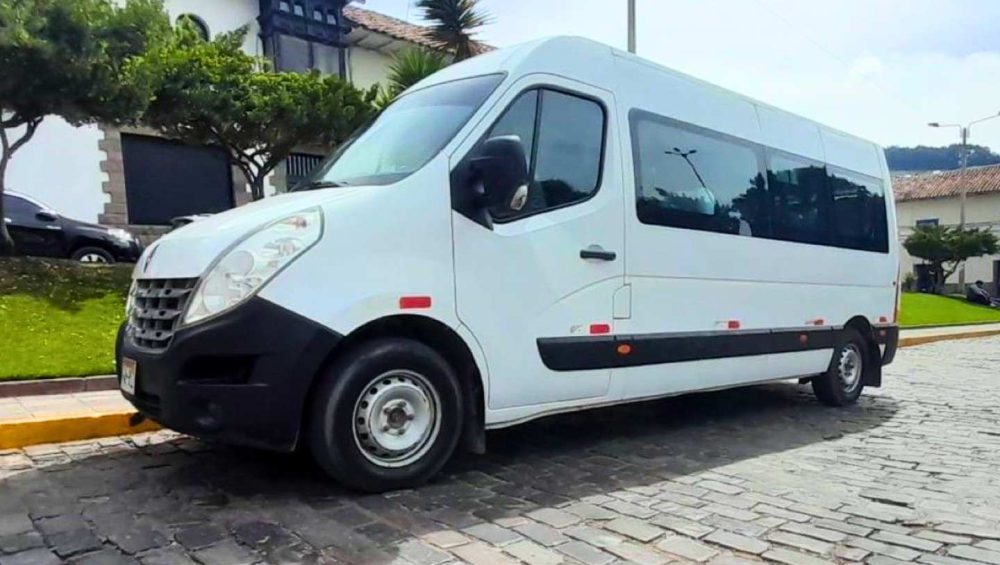
Transportation is, without a doubt, the first step of every great journey. Often we focus on the final destination like the Inca citadel, the Amazon jungle, or the Andean landscapes, but we forget that the quality of the transfers is what really defines the rhythm and peace of mind of an adventure.
In a country with a geography as diverse as Peru, safe mobility is not just a service; it is the bridge that connects your expectations with the reality of the trip. An efficient transfer allows you to save energy for hikes, protect your travel plan, and, above all, ensure that every kilometer traveled is part of the enjoyment and not a worry.
The promise of safety: What defines a tourist transport service
In this 2026, safety in tourist transport has become more strict and specialized. It is no longer just about going from point A to point B, but about meeting standards that protect your safety and well-being. A quality tourist transport service is defined by three pillars that are must-haves:
- Formality and Authorization: Every vehicle for tourism must have valid permits issued by the Ministry of Transport and Communications (MTC) and the Land Transport Authority (SUTRAN). This includes the famous orange license plate, which identifies the units allowed to provide this service nationwide.
- Equipment and Monitoring: Modern vehicles for this 2026 are equipped with GPS technology for real-time monitoring, air conditioning, comfortable seats, and a first aid kit. Also, they must have specific insurance like the tourist Accident Insurance (SOAT) and liability policies.
- Professional Staff: The promise of safety is completed with drivers trained not only in high mountain routes but also in customer service and safe driving, ensuring a punctual, responsible, and bilingual treatment in many cases.
Strategic Destinations: Where Transportation Makes the Difference
In a country with challenging geography like Peru, a “destination” is not just a beautiful place, but a logistics point where the right transport determines the success of your travel plan. For this 2026, the connection between the coast, the highlands, and the jungle has improved, but punctuality and safety in land transfers are still the factors that allow a traveler to turn a simple transfer into an experience of discovery. Choosing private mobility at these key points means gaining hours of exploration and losing minutes of stress.
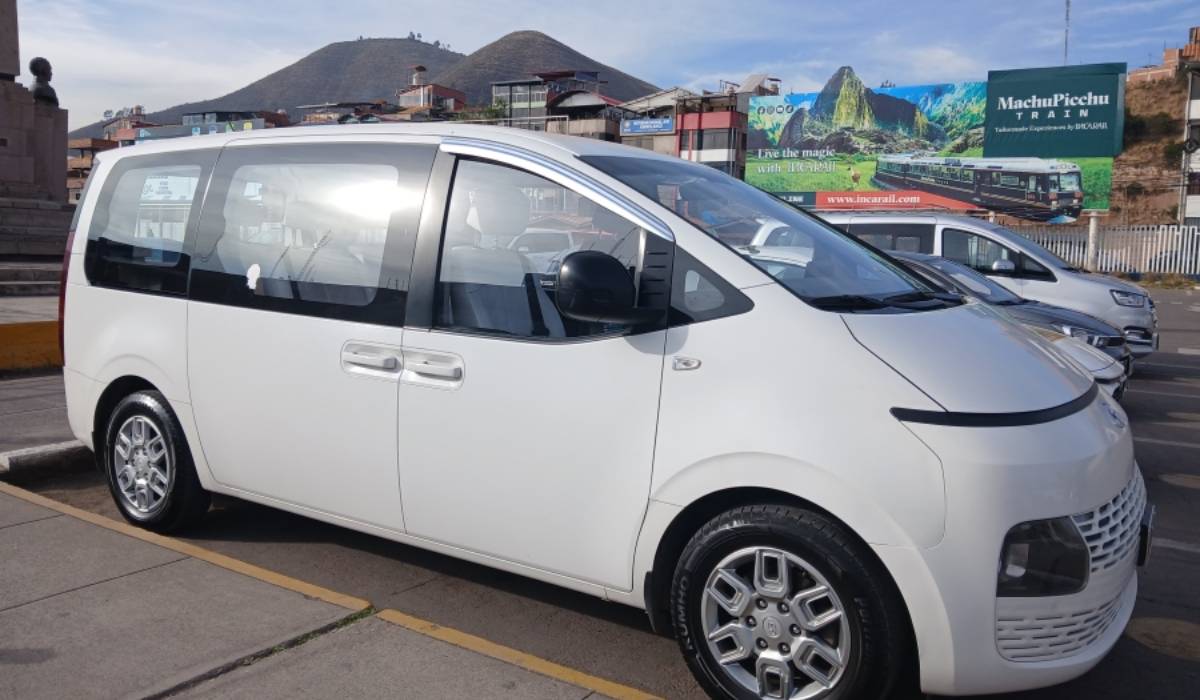
Ollantaytambo and the Heart of the Sacred Valley
This is perhaps the point where safe transportation is most critical. Ollantaytambo is the main train connection port to the Inca citadel.
- The vital link: Having private transport ensures you arrive at the train station with the necessary time (at least 30 minutes before boarding). In this 2026, train access controls are strict; losing your spot due to a delay on the road can risk your entry to Machu Picchu.
- Strategic stops: The real advantage of a private vehicle is freedom. Instead of a direct trip, you can design a route that includes the Moray agricultural laboratories, the Maras salt mines, or the Chinchero textile center.
Cusco and its Nearby Treasures
Cusco is not just a city; it is a museum that extends into its streets, valleys, and mountains. Since it is the starting point for any trip through the Peruvian highlands, it is important to have good transportation.
- Transport in the heights: Sites like the Sacsayhuamán fortress, Qenqo, or Puca Pucara require a significant climb from the historical center. A transport service allows you to visit these “4 ruins” with total comfort, saving energy to walk inside the archaeological sites.
- Local flexibility: Whether you want to go to the San Cristóbal viewpoints at sunset or take a trip to the South Valley (Tipón and Pikillacta), private transport offers the punctuality that local public transport sometimes cannot guarantee.
The Duality of Lima: Tradition and Modernity
Lima is a busy city with challenging traffic. Here, safe transport means efficiency.
- Modern and Colonial Lima: A private transport service allows you to have breakfast in front of the sea in Miraflores, visit the bohemian district of Barranco, and finish the morning in the Historical Center to see the change of the guard, all without the stress of looking for parking or dealing with the complex city bus system.
- Safety and Comfort: In this 2026, door-to-door transfer services from the Jorge Chávez Airport to the main hotels in San Isidro or Miraflores include GPS monitoring and drivers who know the fastest routes to avoid the most crowded areas.
Punctuality on the Asphalt: Airport Transfers
An efficient transfer is not just about arriving on time, but doing it with the comfort you need so your only worry is enjoying the flight. In Peru, these are the key points you should consider:
Cusco (Alejandro Velasco Astete): The Gateway to the Andes
Cusco is a city of narrow streets and unpredictable traffic, especially during morning rush hours.
- A smooth start and end: As the capital of the empire, the flow of travelers is constant. Having a transport service that picks you up at the door of your hotel in the Historic Center guarantees you avoid last-minute complications.
- Recommended times: For domestic flights in this 2026, it is recommended to be at the airport 2 hours early. A private service usually takes about 30 minutes from the center, but the punctuality of a professional driver ensures that the check-in and security process is a quiet transition before leaving the mountains.
Lima (Jorge Chávez): The new era of the regional hub
The experience at the Jorge Chávez International Airport has changed radically with the full operation of its new passenger terminal.
- The importance of a safe transfer: Lima is a huge coastal metropolis where traffic on avenues like Morales Duárez or Faucett can be a challenge. Using a pre-booked transfer or official taxis inside the grounds is the only way to guarantee a safe arrival, especially if your flight lands or takes off during the early morning.
- Safety margin: Due to the new location of the terminal entrances, current recommendations suggest showing up 3 hours early for domestic flights and 4 hours early for international flights. An expert driver will know how to navigate the fastest routes so that Lima’s traffic is just a view from the window and not an obstacle for your trip.
Service Comparison: Why choose tourist transport?
Below, we present an updated reference table for this 2026 that will help you see the key differences between regular transport and specialized tourist service:
Reference Table: Travel Logistics 2026
| Criteria | Public / Collective Transport | Private Tourist Transportation |
|---|---|---|
| Comfort | Standard seating, full capacity, frequent stops. | Ergonomic/reclining seats, A/C, and total privacy. |
| Capacity | Limited by the route (shared bus/van). | Adaptable (Sedan, Van, Minibus) to your group size. |
| Punctuality | Subject to fixed schedules and passenger wait times. | Door-to-door pickup at your exact requested time. |
| Luggage | Restricted space in shared storage areas. | Ample exclusive trunk space and loading assistance. |
| Flexibility | Fixed route with no stops for photos. | Full freedom for stops at viewpoints and sites of interest. |
Extra benefits that make a difference
The tourist mobility services have added extra value that turns a simple ride into a high-value experience:
- Local and Expert Drivers: More than just drivers, they are hosts who know the safest and fastest routes. In this 2026, many have training in local history and can offer you authentic advice on where to eat or what to avoid in each destination.
- Climate Control and Comfort: In regions with extreme weather like Cusco (cold) or Lima (humidity/heat), having working air conditioning and heating is vital to keep your energy up during the trip.
- Guaranteed Luggage Space: If you travel with large suitcases, camera gear, or items bought in the Sacred Valley, tourist transport offers vehicles with large trunks (or secure roof racks) designed specifically for the traveler.
- Health and Technical Safety: For this year, tourist units have deep cleaning protocols and strict preventive maintenance, plus portable oxygen available for high-altitude routes like the trip to Chinchero or Puno.
Logistics Tips for the Adventurous Traveler
The secret to a smooth trip lies in knowing the real travel times and planning to avoid geographic bottlenecks.
Travel times: For this 2026, these are the realistic times you should consider so you don’t miss your key connections (flights or trains):
- Cusco to Ollantaytambo: The trip via the Chinchero route takes between 1h 45m and 2h. However, if your train to Machu Picchu leaves from Ollantaytambo, the official recommendation for this year is to leave Cusco 4 hours early. This covers any weather issues or traffic at the Sacred Valley checkpoints.
- Lima Airport to Miraflores/Barranco: With the new terminal at Jorge Chávez Airport working, the transfer can change a lot. In off-peak hours it takes about 45-50 minutes, but in rush hour (7:00-9:00 and 17:00-21:00) it can take up to 1h 30m or more.
- Cusco Airport to the Historic Center: It is a short trip of about 6 km, but due to Andean traffic, the real time is 20 to 30 minutes.
Smart bookings: Improvising can be expensive. Here is how to ensure perfect logistics:
- Arrival/Departure Transfers: Book your transport from the airport to the hotel at least 48 hours before you arrive. This ensures a driver will wait for you with a sign with your name, avoiding informal deals outside the terminal.
- Train-Transport Sync: If you buy your train ticket for 6:00 AM in Ollantaytambo, your private transport service should be scheduled to pick you up in Cusco at 3:45 AM. Formal agencies already know these schedules and usually suggest them automatically.
- Apps and Confirmations: Use direct communication channels (like WhatsApp) with your transport operator. It is standard to receive the driver’s photo and license plate number 12 hours before your service for more safety.