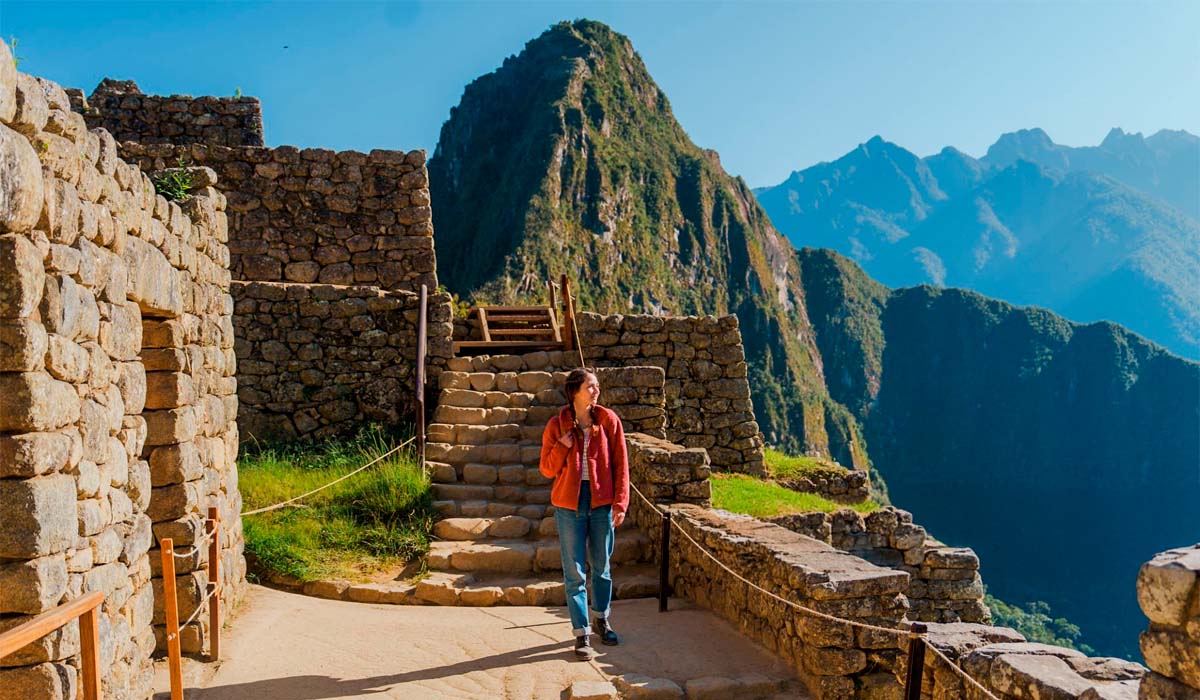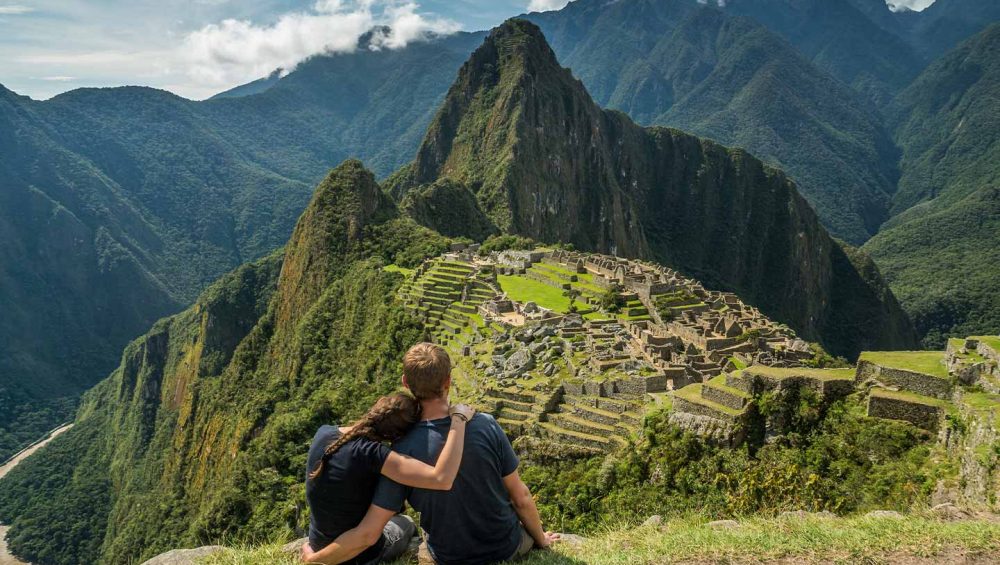
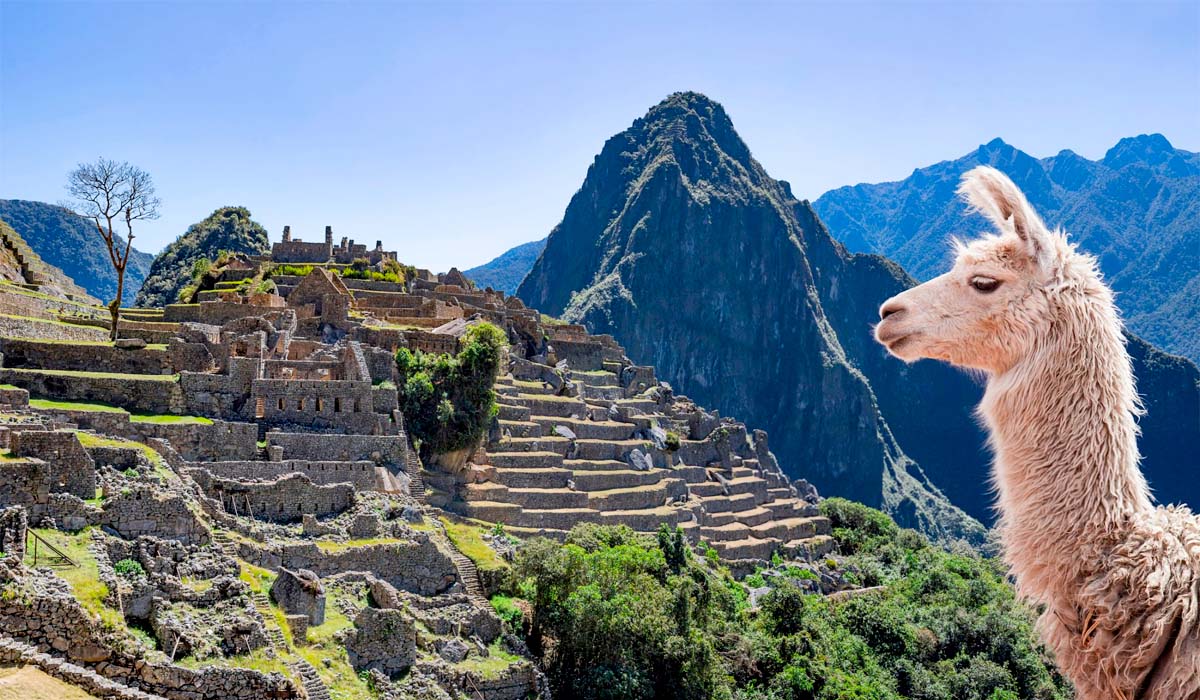
Machu Picchu is one of the most iconic destinations in Peru and remains a top choice for visitors planning a trip in 2026. The legendary Inca citadel—recognized as one of the Seven Wonders of the Modern World—continues to attract travelers from all over the globe. Thanks to improved management, updated regulations, and stronger protection measures, Machu Picchu is safe to visit and more organized than in previous years.
For many travelers, the biggest question is:
“Is Machu Picchu safe to travel to in 2026?”
Travelling to Machu Picchu in 2026 is very safe, as it is one of the most secure tourist destinations in Peru. The main challenges are logistical and environmental, so it is important to plan ahead and follow certain recommendations to ensure an enjoyable experience.
What Has Changed? Improvements in Machu Picchu’s Safety and Regulations
For decades, Machu Picchu has been the top tourist destination in Peru—often called the “Mecca” for travelers exploring the Andes. To preserve this UNESCO World Heritage Site and guarantee visitor safety, the Peruvian government has strengthened its regulations and implemented new measures to protect the citadel for future generations.
In recent years, Machu Picchu faced certain challenges:
1. Social Strikes in Peru
Nationwide protests once affected travel plans, causing temporary closures and cancellations.
Fortunately, these issues have been resolved, and tourism has returned to normal.
2. Bus Transport Conflict in Aguas Calientes
There was a dispute involving the Consettur bus company, which for years managed the transport route between Aguas Calientes and Machu Picchu.
Today, this conflict has ended, and the company Torontoy now operates the official transportation service smoothly and safely.
With these challenges behind, 2026 brings a more stable and organized tourism environment.
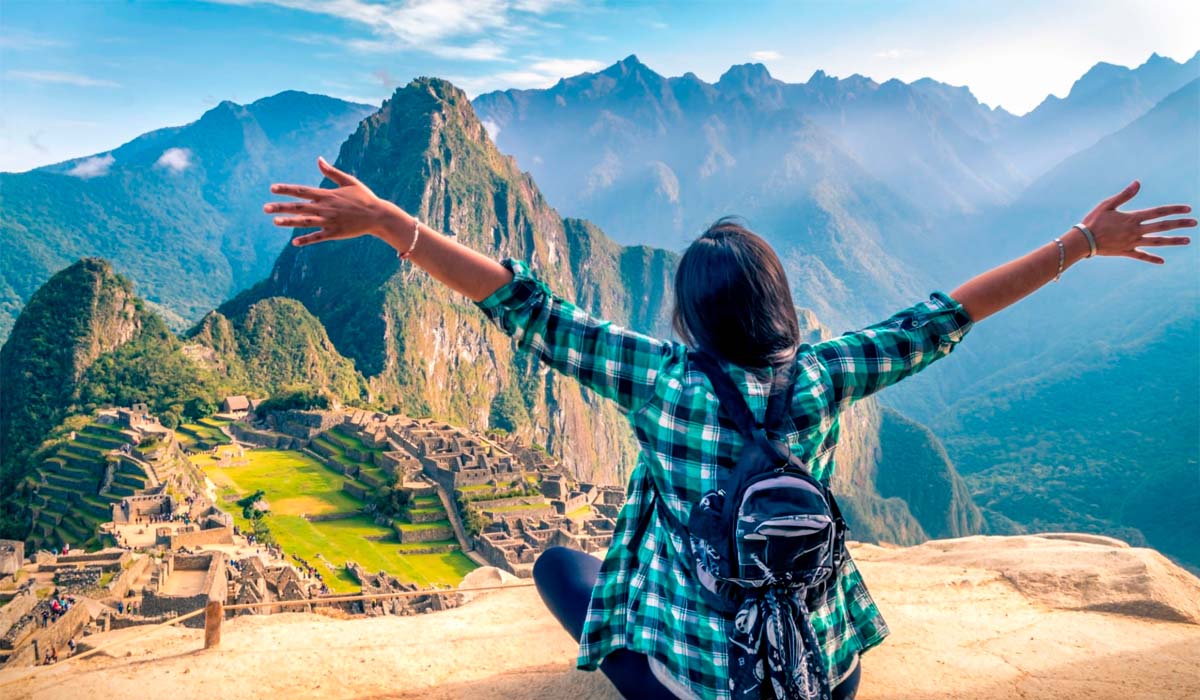
Machu Picchu safety updates for 2026
Visitors planning a trip to Machu Picchu in 2026 should be aware of the following important regulations, which are designed to improve visitor safety, preserve the archaeological site and enhance the overall experience:
New rules for Machu Picchu in 2026
In order to improve crowd control and protect the archaeological site, the government has introduced updated rules for all travellers. These include:
- More structured circuits
- Limited daily permits
- Better guidance for visitors
- Stricter conservation protocols
To guarantee the preservation of the site and ensure an optimal experience, please bear in mind the following entry rules for the Inca citadel:
- Strict schedule: It is essential to present a valid ticket and enter only during the allocated time slot.
- Established circuit: You must follow the assigned route from start to finish without straying from the marked path.
- Single access: Plan your time inside carefully, as re-entry is not permitted once you have left the complex.
Following these measures enables us to provide a much safer, smoother and more controlled exploration experience for everyone.
Machu Picchu circuits and available routes
The current system includes three main circuits, divided into ten official routes:
- Circuit 1 (Panoramic): Includes viewpoints and panoramic terraces.
- Circuit 2 (Classic Machu Picchu): The most popular option, featuring the main archaeological sectors and iconic postcard views.
- Circuit 3 (Royalty Circuit): Focuses on the lower sector and royal areas of the citadel.
Additional routes include access to attractions such as Huayna Picchu Mountain, Huchuy Picchu, Inti Punku (Sun Gate), Machu Picchu Mountain, the Inca Bridge and the Great Cavern, but only during specific seasons.
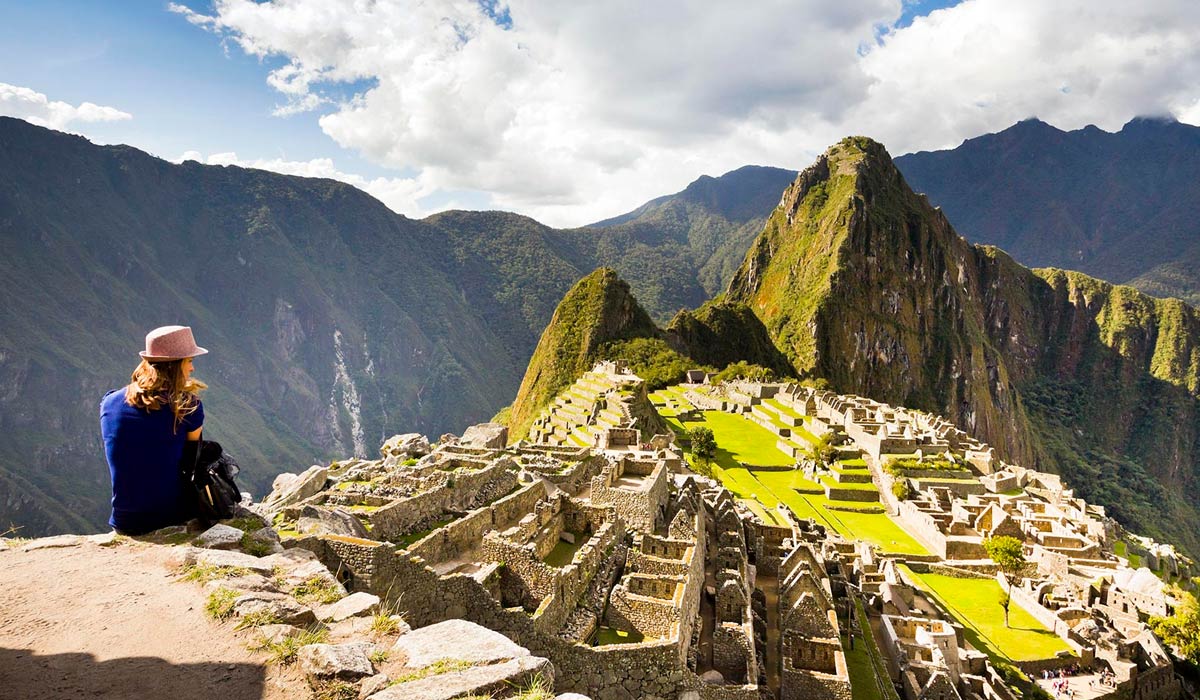
Visiting hours and entry windows
Machu Picchu operates with scheduled entry times throughout the day, beginning in the early morning. Visitors must arrive within their assigned entry window, as late arrivals may be denied access. During the high season, the authorities may allow a limited grace period, but travellers are strongly advised to arrive on time.
Visitor restrictions
To protect the site and ensure visitor safety, the following restrictions remain in place:
- Visitors must stay on the designated route indicated on their ticket.
- Climbing or sitting on archaeological structures is prohibited.
- Large backpacks, drones and professional filming equipment require authorisation.
- Food consumption inside the archaeological area is restricted.
- Littering, smoking and any actions that may damage the site are strictly prohibited.
Transportation and access routes
Train services from Cusco and the Sacred Valley to Machu Picchu Pueblo continue to operate as normal. Shuttle buses connecting Machu Picchu Pueblo (Aguas Calientes) with the entrance gate remain the primary access method for most visitors. Travellers should book transportation and entrance tickets well in advance, especially during the high season from June to October.
Conservation measures and visitor limits
To preserve this UNESCO World Heritage Site, the Peruvian Ministry of Culture enforces strict visitor capacity controls. During peak tourism periods in 2026, the daily visitor capacity will be 5,600, while lower limits will apply for the rest of the year. Timed entries, controlled circulation routes, QR code ticket verification and monitoring systems help to reduce overcrowding and minimise the impact on the archaeological sanctuary.
Safety recommendation for 2026
To ensure the safest and most enjoyable experience possible, visitors are advised to purchase tickets exclusively through the official Ministry of Culture platform, reserve train services in advance, arrive early for their scheduled entry time and select the circuit that best matches their interests and physical capabilities.
RELATED: Bookings for the Inca Trail in 2026
Is It Safe to Travel to Peru in 2026?
Yes. Peru is safe to visit, especially major tourist regions.
Some areas of Lima face occasional unrest, but the main tourist districts remain secure.
Safest Areas for Travelers in Peru:
- Lima: Miraflores and San Isidro
- Cusco: Gateway to Machu Picchu and the Sacred Valley
- Arequipa: Known for Misti Volcano and the Colca Canyon
- Puno: Home to Lake Titicaca
- Puerto Maldonado & Iquitos: Amazon jungle destinations
- Ica: Huacachina Oasis and Paracas
- Nazca: Famous for the Nazca Lines
- Chachapoyas: Kuelap Fortress
- Huaraz: Snow-capped mountains and trekking routes
Peru continues to receive international recognition. In 2025, Travel + Leisure ranked Cusco as the best city to visit in Central and South America, showing just how strong tourism remains.
Why Visit Machu Picchu in 2026?
Machu Picchu is located in the heart of Cusco, surrounded by some of the most stunning attractions in Peru:
- The Sacred Valley of the Incas
- Rainbow Mountain
- The famous Inca Trail
- The Amazon rainforest in Manu
- High Andean lakes and traditional villages
With improved logistics and renewed tourism infrastructure, 2026 is an ideal year to visit.
Planning to Visit Peru?
If you are planning a trip to Peru in 2026, come with confidence—Peru is safe and ready to welcome travelers. With proper planning, your journey to Machu Picchu will be unforgettable, inspiring, and trouble-free.