
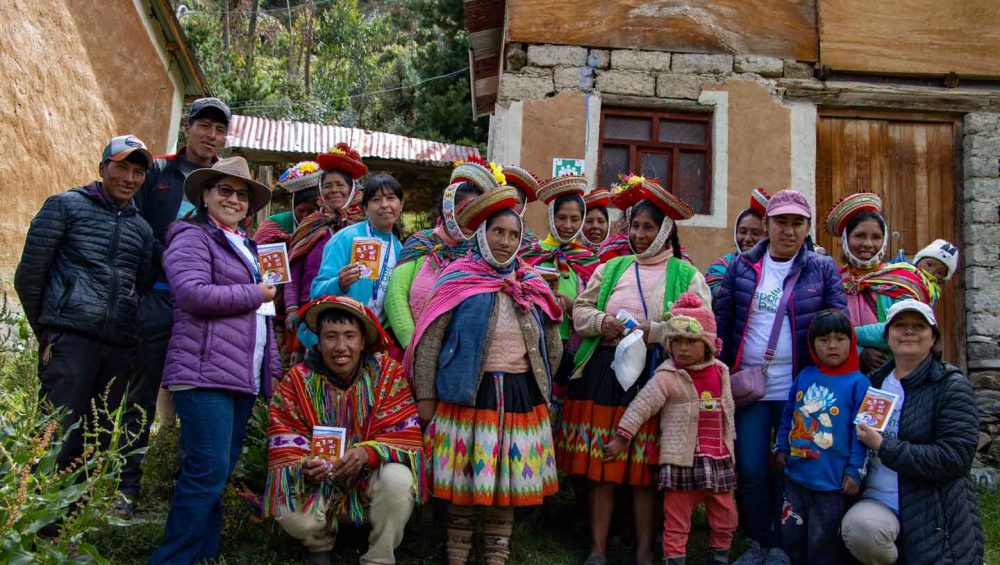
Peru has long been considered one of the best travel destinations for adventure lovers seeking trekking, hiking, nature, culture, history, and cuisine. The country has received recognition in many areas, especially in tourism, earning awards such as “South America’s Best Destination” at the World Travel Awards 2025.
In the culinary world, Peru won the gold medal at the International Chocolate Awards 2025, and Maido was chosen as the best restaurant in the world by The World’s 50 Best Restaurants 2025. Ad ditionally, in the advertising sector, the country has received several Effie Perú awards.
Machu Picchu remains Peru’s most iconic attraction and the country’s top tourism symbol. However, Peru offers many other remarkable destinations, such as Lake Titicaca, Choquequirao, Kuélap, Chachapoyas, Máncora, the Nazca Lines, Huacachina, the Amazon Jungle, and more.
Peru has experienced steady growth in tourism for many years, along with an increasing number of travel agencies and tour operators. The Ministry of Tourism and regional organizations like Gercetur have tried to establish regulations to manage this growth, encouraging agencies and tour operators to improve their standards. However, progress has been limited, and only a small number have adopted sustainable tourism practices. Sustainable tourism is essential because it helps support local communities, protect natural resources, and promote responsible business practices.
Problems to Try to Solve
For many years, Peruvian institutions have been unable to stop the growing deterioration of natural landscapes and the destruction of emblematic places. In Cusco alone, many important tourist routes are being damaged by local populations and businesses that seek profit without considering long-term consequences.
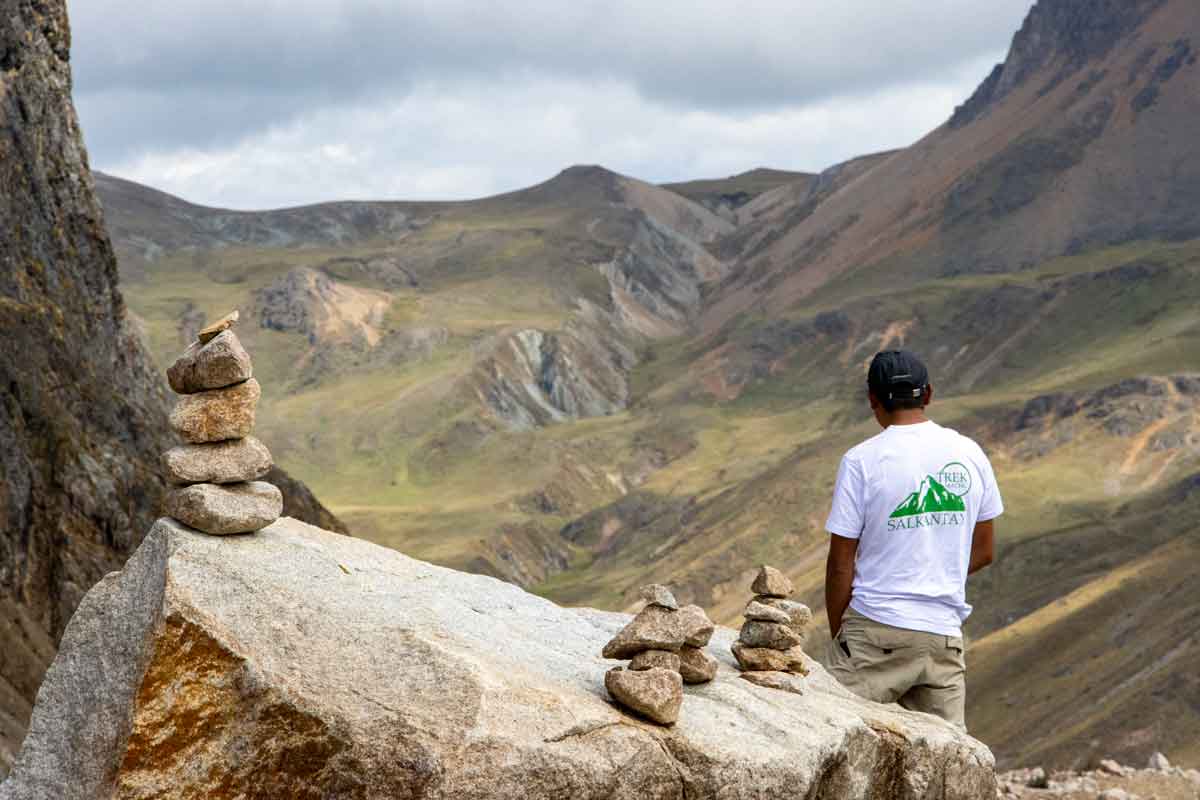
Some of Peru’s and Cusco’s most beautiful landscapes have been overexploited, replaced by hotels, rest areas, and uncontrolled construction, causing the Sacred Valley to lose part of its natural charm. The Salkantay route has also become filled with modern structures—igloos, restaurants, and hotels—built without considering climate change, environmental impact, or the sacred value of the mountain.
Over the last two years, the Salkantay glacier has shown visible fractures and landslides, and its protective white snow layer is melting rapidly. Although the regional government, SERNANP, and GERCETUR have attempted to stop these illegal constructions, their efforts have been largely unsuccessful. Many tourism companies continue to prioritize profit over environmental responsibility, disregarding the serious consequences of their actions.
How to Travel Responsibly
If you’re planning a visit to Peru—whether to Machu Picchu or other important destinations—and depending on the time you have available, or if you’re preparing for a trek such as the Colca Canyon, the Inca Trail, Choquequirao, or any other route, the first step is to choose a tour company that has all the required permits and a strong commitment to responsibility.
Price isn’t everything. While some tour companies in Peru offer very low rates, they may be unsafe or even fraudulent. A legitimate tour operator should have trained staff who can support you throughout your trip and respond properly in emergencies. They should provide fair wages according to the law, life and health insurance for their workers, and other essential benefits. They should also have programs that support local communities, reforestation projects, and protect the routes they use.
If you’re planning a trek in the Peruvian Andes, make sure the operation involves camping in tents. This is one of the safest and most environmentally friendly ways to travel. At each campsite, you can set up and take down your tent, clean the resting area, and continue your hike—leaving the landscape untouched and preserved. This helps ensure that these natural places remain intact for many years to come.
These practices encourage companies to adopt responsible travel standards and protect the areas where they operate. Unfortunately, many companies have already built structures in some of the most important natural areas and still advertise themselves as “sustainable” or “committed to responsible travel,” despite the clear environmental damage they have caused. A new attraction may seem appealing, but it often comes at the cost of irreversible destruction.
Supporting truly responsible and sustainable operators helps shift the mindset of the tourism industry and encourages better practices. With enough collective effort, we can reduce the ongoing damage, preserve these landscapes for future generations, and contribute to climate change mitigation.
Best Tour Companies for Responsible Travelers
Responsible People Foundation was created by adventure travel companies in Peru, working together to improve sustainable and responsible tourism, along with other partner organizations committed to the same goals.
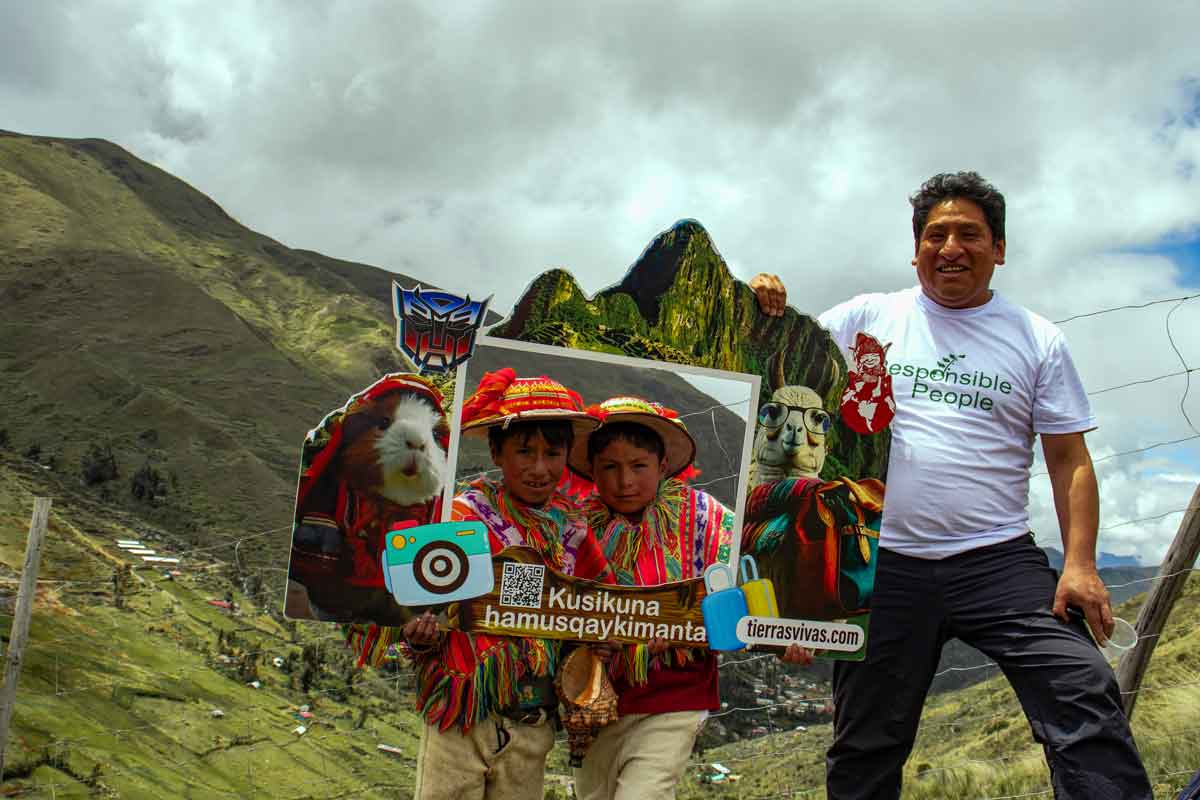
We firmly believe that collaboration is essential for advancing ecotourism, promoting sustainable practices, and achieving a better future for our planet. For this reason, we are proud to work alongside excellent organizations that share our mission.
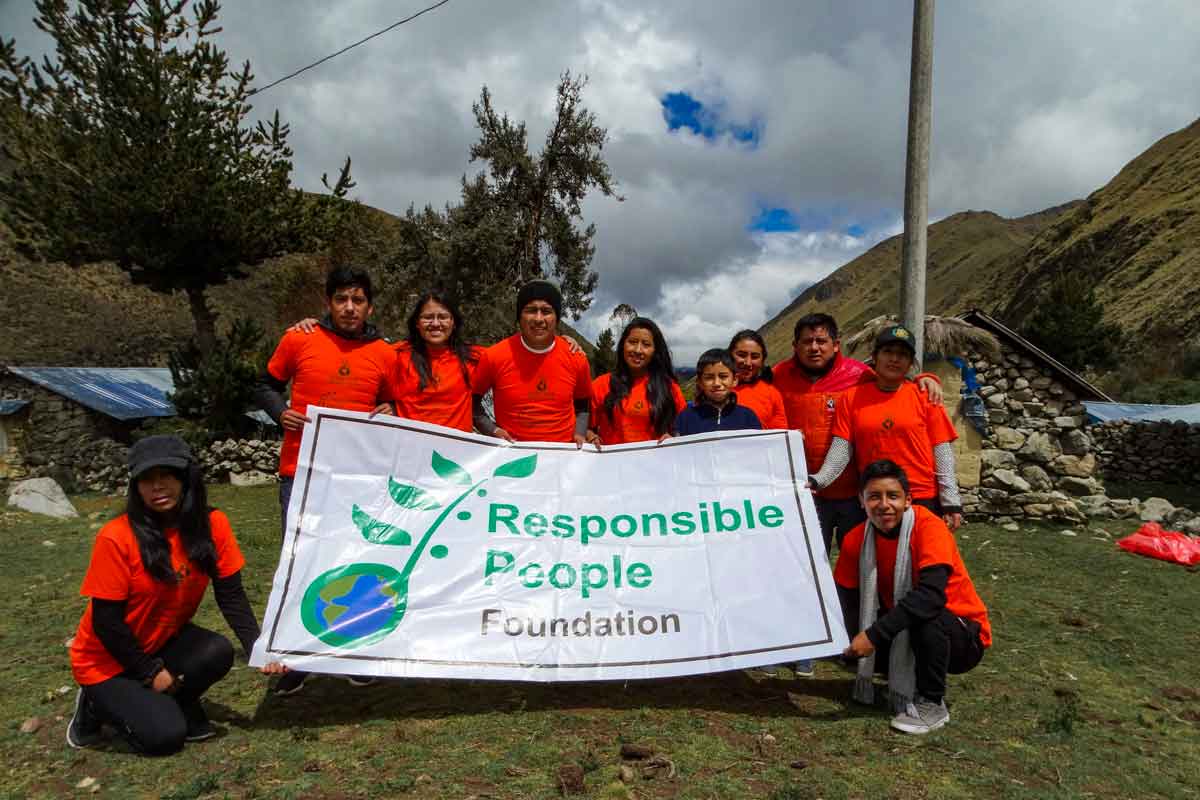
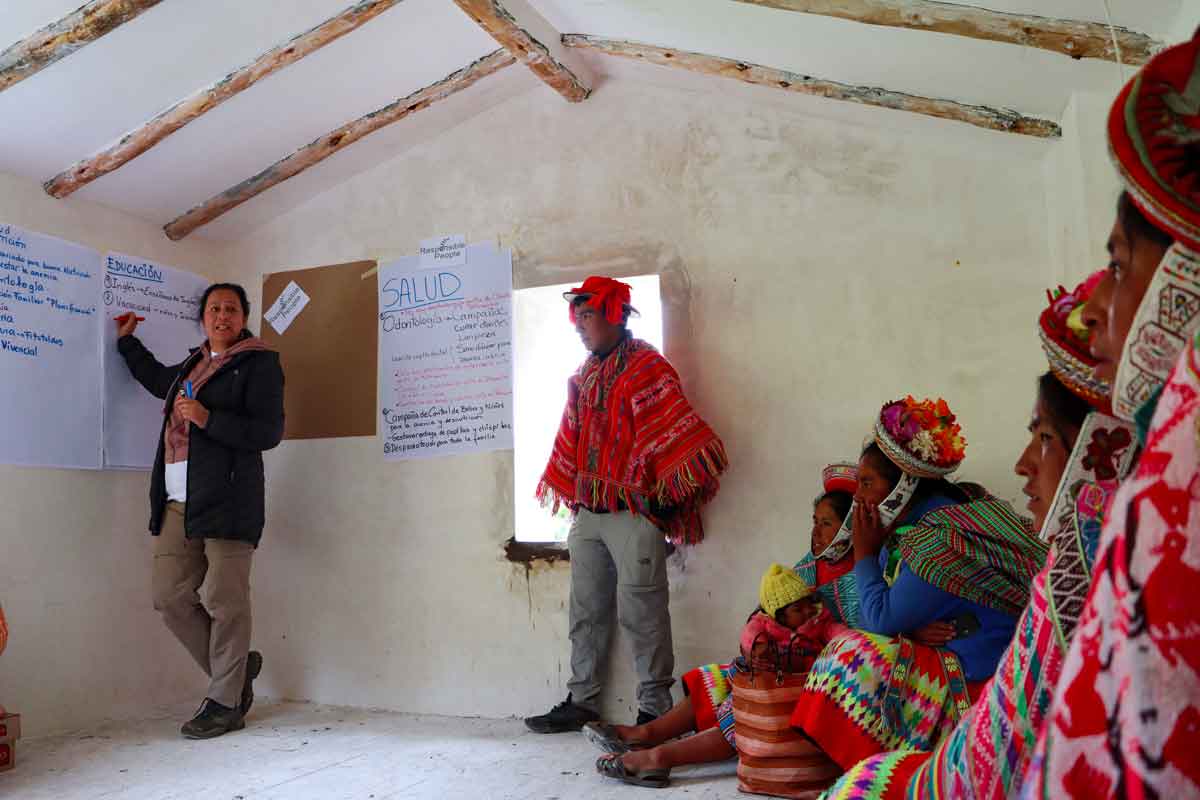
Responsible People focuses on improving Andean communities and restoring Andean mountain ecosystems through reforestation efforts. We support various community projects related to health, social development, and economic growth. Our team provides training programs and brings essential health services to communities throughout Cusco and Peru.
Our travel partners help make these projects possible through donations and active participation, ensuring that contributions are directed toward responsible and meaningful initiatives.
Our main travel partners include Tierras Vivas, the founder of Responsible People, as well as Inca Trail Machu, Salkantay Trek Machu, and Machu Picchut. Together, we work to promote responsible travel and create a sustainable tourism model. We strongly believe that tourism can serve as a bridge to help protect the environment and improve the quality of life for local communities.
 |
Tierras VivasTierras Vivas has been a tour operator since 2007, recognized for its reliability and commitment to responsible and sustainable travel. The company specializes in trekking, hiking, nature tours, and biking experiences. |
 |
Inca Trail MachuInca Trail Machu is a sustainable tour operator specializing in the Inca Trail to Machu Picchu and alternative hikes to Machu Picchu. The company also offers well-designed itineraries and complete Peru travel packages. Inca Trail Machu works closely with responsible and sustainable tourism initiatives, supporting reforestation and local community projects in Cusco, Puno, and other regions of Peru. |
 |
Salkantay Trek MachuSalkantay Trek Machu is a tour operator specializing in trekking and hiking, with a strong commitment to responsible tourism and the protection of the routes it operates. The company actively carries out trail-cleaning initiatives and community projects. Salkantay Trek Machu works together with Responsible People through donations that help protect the environment and improve the quality of life of the Andean communities it visits. |
 |
Machu Picchut TravelMachu Picchut is a newly established tour operator in Peru, offering the best Peru travel packages, including tours to Machu Picchu. The company specializes in creating well-designed itineraries that showcase Peru’s top tourist destinations. Machu Picchut is committed to responsible and sustainable travel, believing that tourism can be a bridge to help protect the planet and preserve Andean culture. |