
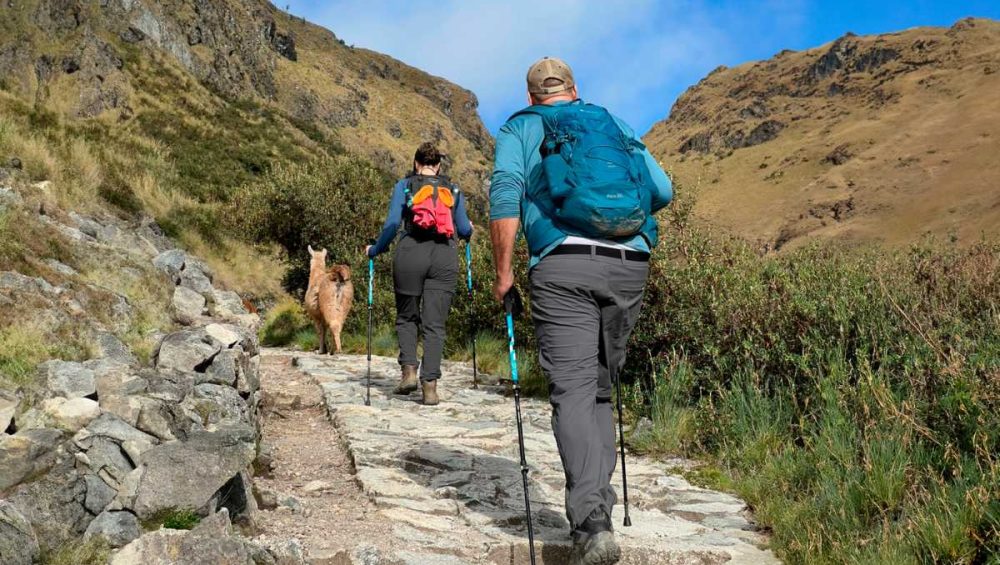
The availability of Inca Trail permits for 2026 stays under the usual conservation standards: only 500 permits are issued per day. It is important to remember that these permits are not only for tourists, but are shared among hikers, guides, cooks, and porters. This reduces the real number of spots for visitors to about 200 per day. However, there is a main change for this year: according to the new rules from the Ministry of Culture, the Inca Trail permit no longer automatically includes the entry ticket to Machu Picchu.
Therefore, it is very important to buy an additional entry ticket to be able to explore the Machu Picchu citadel after finishing the hike. Without this extra document, hikers can only reach the Inti Punku (Sun Gate) without the chance to walk through the internal circuits of the sanctuary. This new structure seeks better control of the capacity and the preservation of the heritage.
The Inca Trail to Machu Picchu remains one of the most requested trekking experiences in the world. Because of its huge popularity, permits sell out months in advance, so it is essential to plan ahead. In this guide, we will explain in detail everything you need to know about permit availability for the Inca Trail 2026, the steps to book your spot, and expert tips to secure your favorite date on the calendar.
Key points of the 2026 rules
- Limited Capacity: The 500 daily spaces cannot be transferred and are linked directly to your passport data.
- Separate Tickets: Remember that you now must manage two bookings: the route permit (trekking permit) and the circuit ticket for the citadel (Llaqta ticket).
- Closing Season: Just like every year, the Inca Trail will stay closed for the entire month of February for maintenance and rain.
When do the 2026 Inca Trail permits go on sale?
Traditionally, the Peruvian government starts the sale of permits for the following year during the month of October. For the 2026 season, the official booking process opened in stages starting from the last week of October 2025. This means that, at this moment, the permits for the entire year 2026 are already available in the official system.
It is important to keep in mind that, although the sale is already open for all months (from March to December, remembering that February is the maintenance month), the speed at which spots sell out depends directly on the season. For example:
- High Season (May – August): Many of these permits sold out a few weeks after going on sale last October.
- Shoulder Season (April, September, and October): Availability is usually more flexible, but it still requires a booking several months in advance.
Although release dates are usually consistent, the Ministry of Culture can make technical changes to its sales platform. Because of this, the best strategy in this 2026 remains to coordinate directly with an authorized tour operator. They are the only ones who can access the booking system in real-time and ensure that your permit is correctly linked to your entry ticket to the citadel.
Can I book the Inca Trail 2026 on my own?
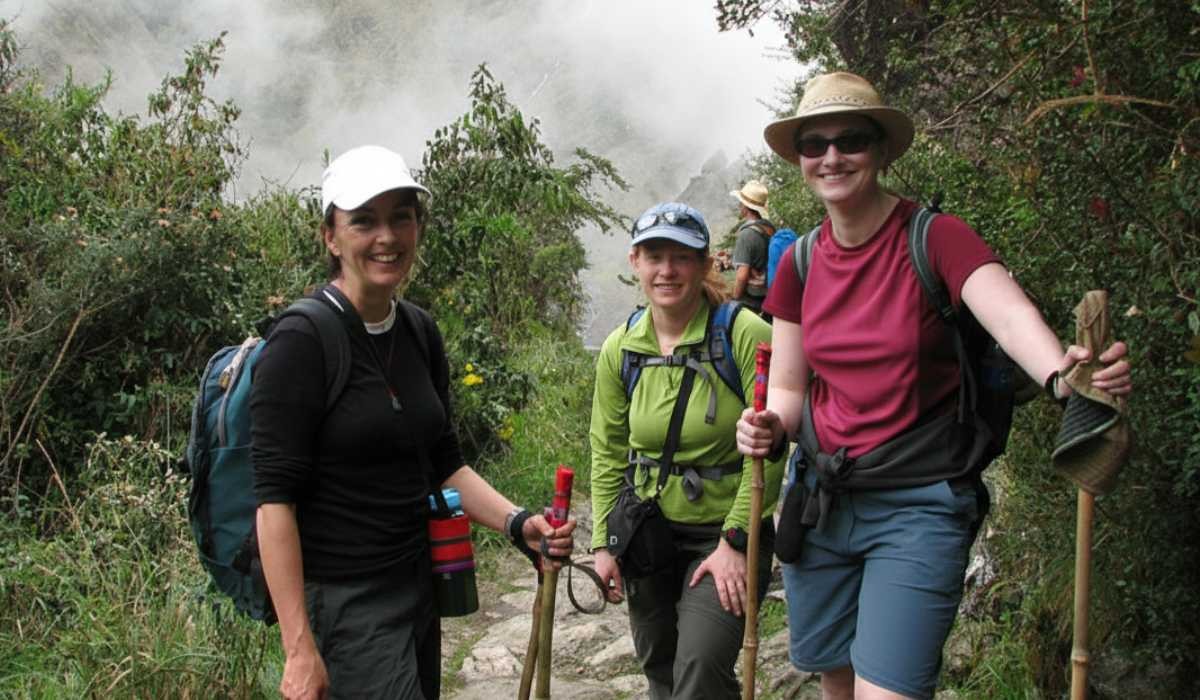
The short answer is no, it is not possible. To walk this historic route, it is mandatory to book through a tour operator authorized to operate on the Inca Trail. This measure is not just a formality, but a fundamental pillar for the conservation and safety of one of the most important trails of world heritage.
Since the year 2001, regulations state that only companies officially certified by SERNANP (National Service of Protected Natural Areas) and the Ministry of Culture can organize expeditions. These agencies have the responsibility to provide everything needed for the journey: from bilingual professional guides and specialized cooks, to camping equipment and the porters who make the mountain logistics possible.
Why does this restriction exist? It is important to understand that before these regulations, the Inca Trail suffered serious damage. Many travelers entered on their own, leaving trash, lighting fires in forbidden areas, and unintentionally damaging the flora and archaeological walls. As a result, the trail faced critical problems of pollution, deforestation, and a notable neglect.
Therefore, in this 2026, the mission of authorized operators is double:
- Heritage Protection: Ensuring that each group respects the natural environment, avoiding pollution and the wear of archaeological sites.
- Traveler Safety: Providing professional assistance on a route that reaches high altitudes, ensuring that each hiker has a safe and enriching experience.
Is it important to book the Inca Trail 2026 in advance?
Yes, absolutely. The Inca Trail is one of the most requested hiking routes in the world, especially among travelers who dream of reaching Machu Picchu on foot. Because it is a protected area, access is strictly controlled to avoid the wear of the original paths.
As in previous years, there are only 500 permits for the Inca Trail available per day. However, a common mistake is to think that all those spaces are for tourists. In reality, these permits are distributed among the support staff and the visitors in the following way:
| Group Size | Guides | Cooks | Porters | Total Permits Used |
|---|---|---|---|---|
| 2 Travelers | 1 Guide | 1 Cook | 5 Porters | 9 Permits |
| 4 Travelers | 1 Guide | 2 Cooks | 12 Porters | 19 Permits |
| 8 Travelers | 2 Guides | 2 Cooks + 1 Assistant Cook | 1 Head Porter + 12 Porters | 26 Permits |
| 10 Travelers | 2 Guides | 2 Cooks + 1 Assistant Cook | 1 Head Porter + 16 Porters | 32 Permits |
Why do the permits for the Inca Trail sell out so fast?
The Inca Trail to Machu Picchu is the most famous trekking route in Peru, attracting thousands of travelers. However, the main reason it fills up so quickly is that the daily permits are not just for one route, but are shared among several expeditions that meet on the same path:
- Classic Inca Trail (4 days): This is the most popular option, starting at km 82.
- Salkantay Trek with connection to the Inca Trail (6 days): A premium route that joins the imposing Salkantay snowy peak with the last parts of the original stone path.
- Other combined routes: There are variants that include parts of the Qhapaq Ñan and also use part of those 500 spots.
Additionally, the Short Inca Trail (2 days), which starts at km 104, has its own separate limit of only 250 daily permits. Since it is a popular choice for families or travelers with limited time, these spots also usually fly off the official platform.
Furthermore, for this 2026, there are more than 240 authorized tour operators competing at the same time for these permits. Every time an agency books a group, the spaces decrease drastically in a matter of seconds. Therefore, if you plan to travel during the high season (May to October), planning ahead is your only guarantee.
Keep in mind that, due to the rules in effect in 2026, the Inca Trail permit does not always guarantee the same visit circuit inside the citadel. Because of this, tour operators take care of including and managing this ticket in all their packages so that travelers can explore the most important sectors of the sanctuary after completing their hike.
Alternative treks to Machu Picchu
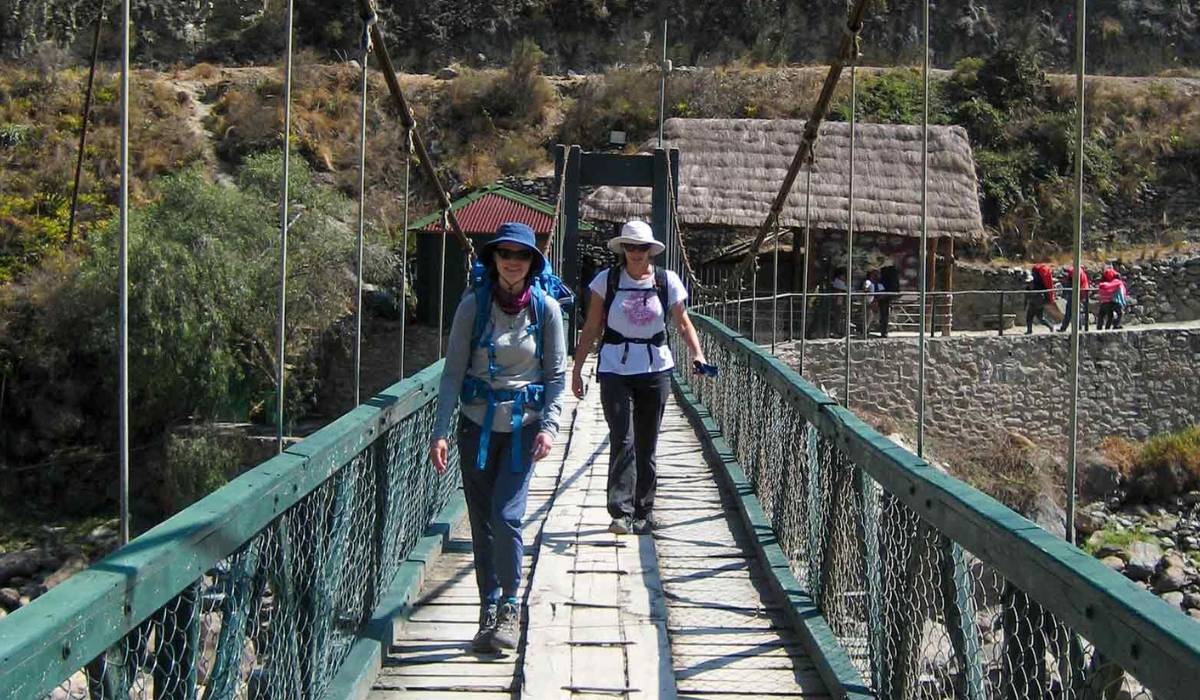
If you do not get a permit for the Inca Trail, consider these fantastic routes that will allow you to connect with the magic of the Andes from different perspectives:
- Salkantay Trek (4 or 5 days): It is the most popular and scenic alternative. This high-altitude route takes you to the base of the majestic Salkantay snowy peak (6,271 masl) and the famous Humantay Lagoon. It offers an impressive contrast between glaciers and tropical jungle, with fewer crowds than the traditional path.
- Lares Trek (4 days): Known as the “Cultural Route.” It is a total immersion hike that crosses remote Andean towns where time seems to have stopped. It is ideal for those looking to interact with local communities, learn about their ancient textiles, and enjoy natural thermal baths.
- Choquequirao Trek (4 to 8 days): A challenging route to the “sister city” of Machu Picchu. Choquequirao is an imposing archaeological site and much less visited, accessible only on foot. It is the perfect option for experienced hikers looking for solitude and a bigger physical challenge.
- Inca Jungle Trek (3 or 4 days): The choice for adrenaline lovers! This route combines mountain biking, river rafting, jungle hikes, and zip-lining on the way to Machu Picchu. It is a vibrant mix of adventure sports and nature.
- Huchuy Qosqo Hike (2 days): A short and beautiful route that passes through an Inca archaeological site located high in the Sacred Valley, offering spectacular views before connecting with the train to the citadel.
Tips for getting your Inca Trail permit
Getting one of the wanted spots for the Inca Trail 2026 takes more than just a wish; it takes a clear plan. Here are the keys to secure your spot:
- Book as far in advance as possible: The best thing was to secure the permit when the official sale opened in October 2025. However, if you plan to travel in the second half of 2026, you still have time if you act right now, especially for the low season (November and December).
- Choose several date options: Flexibility is your best tool. When contacting your operator, give them a window of 2 or 3 days of margin. If your main date sells out, having other options will allow the agency to buy the permit for the next available spot without wasting time asking you.
- Go with a reputable tour operator: In this 2026, make sure to choose agencies with current licenses from the Ministry of Culture and SERNANP. A reliable operator not only guarantees the permit but also fair treatment for the porters and high-quality equipment.
- Consider alternative routes: If permits for the “Classic Inca Trail” are no longer available, do not cancel your trip. Routes like the Salkantay Trek or the Lares Trek offer beautiful landscapes toward Machu Picchu and are not limited by the 500 daily permits.
- Check the cancellation policies: According to the Peruvian government rules for this 2026, permits are strictly non-transferable and non-refundable. Once issued in your name and for your date, no changes can be made. Check your agency’s policies to understand what happens to the rest of your package in case of unexpected events.