
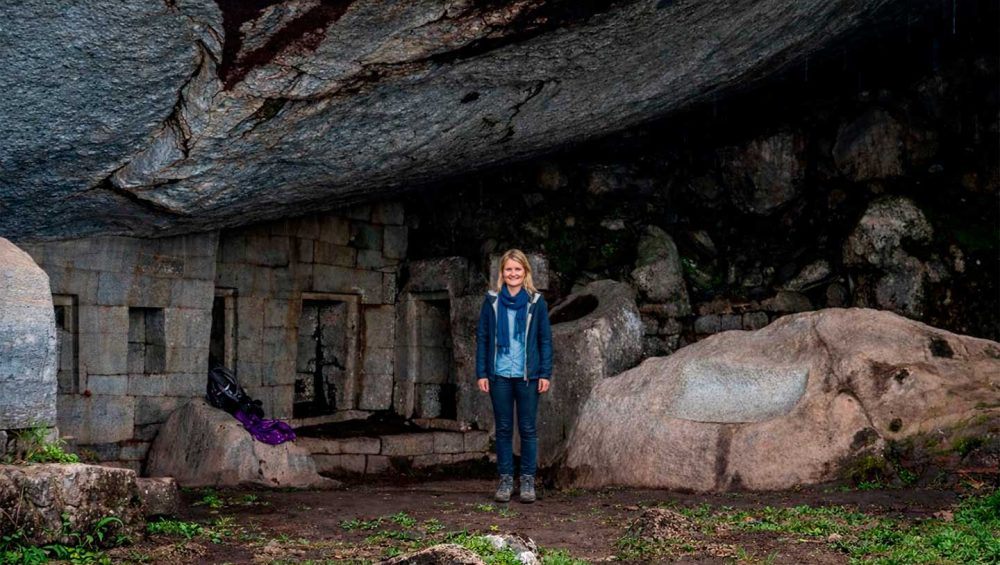
The Temple of the Moon, also known as the Great Cavern, is one of the most complex and unique buildings inside the Machu Picchu Historical Sanctuary. This structure is located on the back and less accessible side of the Huayna Picchu mountain. Its main architectural feature is that its built walls fit directly inside a rock formation or natural cave.
Access to this site is strictly controlled; to walk this path, it is mandatory to buy the ticket for “Circuit 3: Route 3C: Great Cavern”. This entry pass will allow you to do the hike to the cave on the mountain and, later, complete the tour through the structures in the lower part of the Inca city following the rules set for Circuit 3.
Because of the mountain shape and the rules set by the Ministry of Culture, walking this path requires being in good physical shape and strictly following the assigned times. Below, we will break down the technical data of the hike, the difficulty level of the ground, and the recommended plan to organize this route safely.
Getting to know the Temple of the Moon: The Great Cavern of Huayna Picchu
The Temple of the Moon is one of the most interesting archaeological structures of Route 3C. Its main structure is built inside a natural cave at the very base of the Huayna Picchu mountain. Also, because it is far from the Inca city and because the path is physically demanding, this site has very few visitors, guaranteeing a more private experience. Additionally, a logistical detail you should consider when planning your trip is that access to this remote route is only open to the public during high season months.
What makes this site truly extraordinary is its engineering level, which fits the irregular ceiling of the cavern instead of changing it. Also, around the site, the ancient Inca builders carved impressive altars, ceremonial tables of polished stone, and a series of niches (trapezoidal niches). These dark sacred spaces were designed to hold offerings and protect ritual objects of great value, probably pieces made of gold or silver, making this cave a deep and mysterious center of worship.
About caves in Inca culture
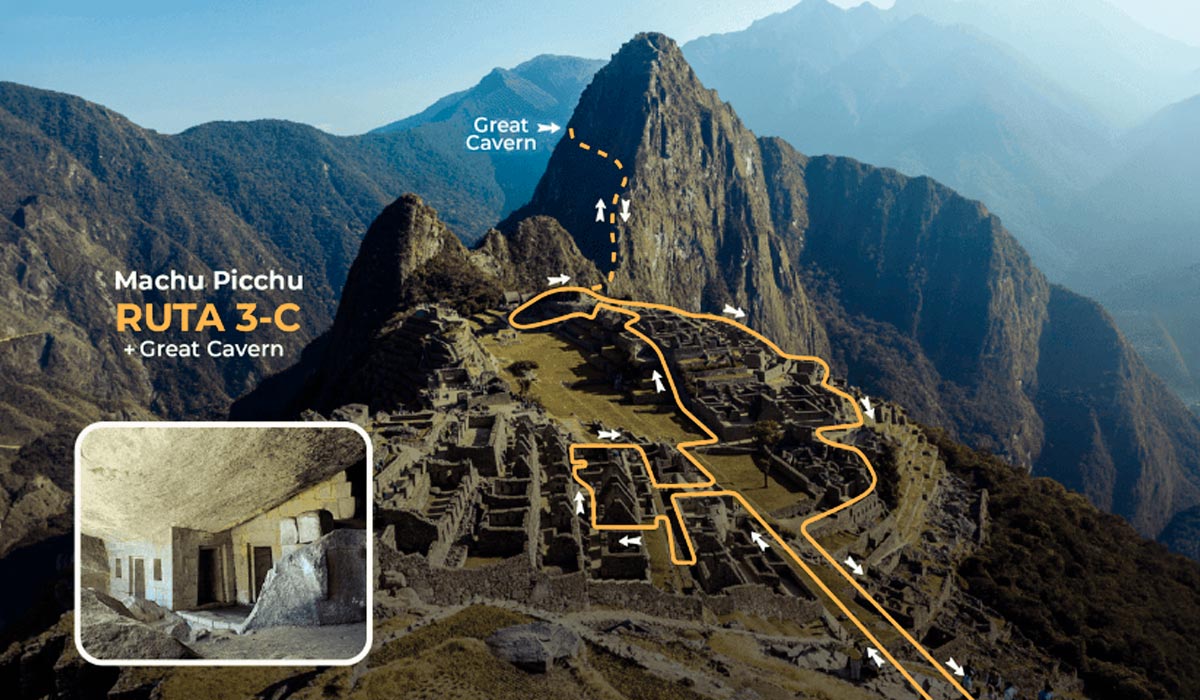
For the Inca civilization, underground formations had a deep structural and religious value. Caves were seen as portals of direct connection between the earthly world of the living (World of the Living) and the underground world (World Below). This last one represented both the land of the dead and the source of the growing forces of mother earth. Under this spatial and spiritual principle, the Great Cavern worked as a ceremonial sanctuary focused on the worship of the underworld, where historically offerings and sacrifices of camelids were made. Until today, the space keeps its ritual nature for some visitors and locals who place coca leaves on its walls.
Logistical data and access restrictions
Traveling to the Great Cavern requires strict planning because of the operational and safety rules set by the Ministry of Culture:
- Required ticket: Entry is done exclusively by buying the ticket for “Circuit 3: Route 3C – Great Cavern”. This pass first allows the tour of the lower part of the citadel.
- Distance and route time: The trail covers a length of about 2.5 kilometers. The hike requires an average of 2 hours of travel one way (making a total of about 4 hours for the round-trip expedition from the checkpoint).
- Operational seasonality: To reduce the risks related to landslides and the steep slope of the land during the rainy season, the Peruvian State has restricted access. The route is only open during high season (from June 19 to November 2).
- Age restriction: For strict physical safety reasons due to the technical difficulty of the path, access is allowed only for visitors over 12 years old.
Visiting hours for the Great Cavern
The schedule for the “Machu Picchu: Great Cavern Route” ticket is organized into two time blocks. The official shifts allowed by the Ministry of Culture are the following:
- Group 1 (First shift): General entry to the Machu Picchu citadel is between 07:00 and 07:45 a.m. Once inside, you will have time to walk through the lower part of the site (Circuit 3) before going to the mountain checkpoint. Access to the specific path to the Great Cavern is strictly allowed until 09:00 a.m.
- Group 2 (Second shift): General entry to the citadel is between 08:00 and 08:45 a.m. Just like the first group, you will do the initial tour of Circuit 3. For this shift, passing through the control booth to the cavern path is allowed until 10:00 a.m. at the latest.
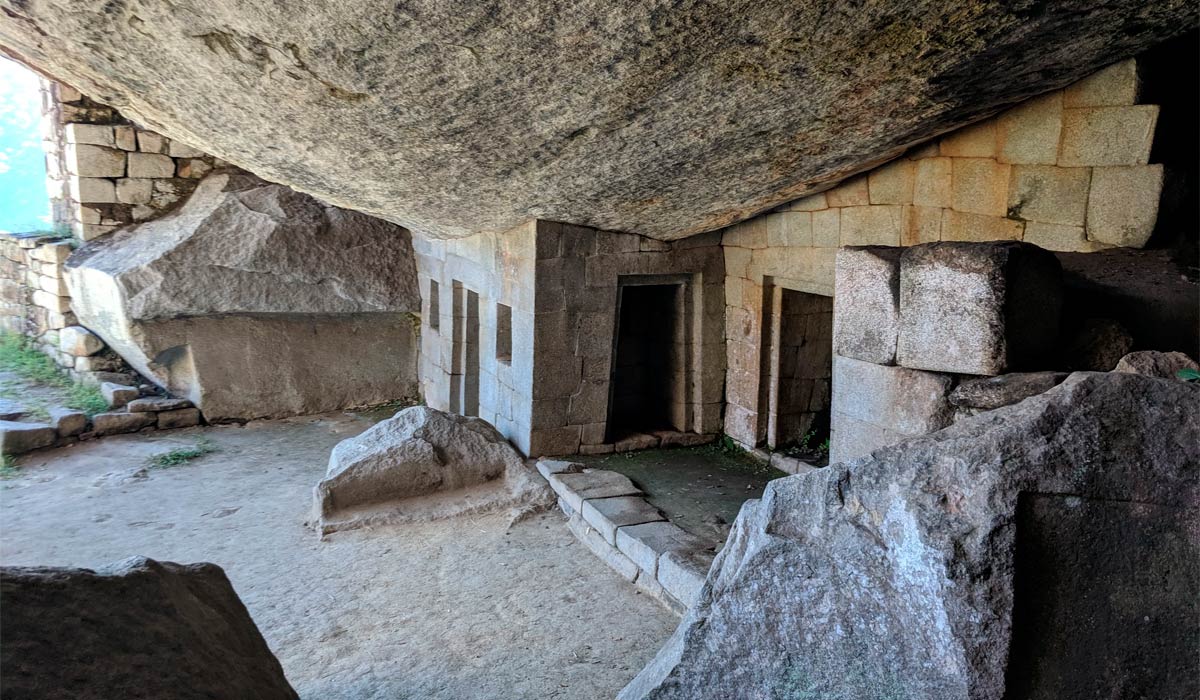
Visiting times: Circuit 3 and the Great Cavern
The Great Cavern ticket (Route 3C) organizes the exploration of the sanctuary into two stages, requiring a total average time of 5 and a half hours (with a maximum allowed stay of up to 7 hours).
This route starts by following the royalty circuit, which includes the exploration of the lower part of the archaeological site. It includes structures such as the Royal Tomb, the House of the Inca, the Temple of the Sun, the Three Gates, the Temple of the Condor, and the lower agricultural sector (from where you get a beautiful view of the ruins from below, although it does not include access to the upper terrace for the classic “postcard photo”). The average time to complete this historical part is 1 hour and 30 minutes.
The hike continues to the Great Cavern (Temple of the Moon), where the round trip to this hidden sanctuary takes an average of 4 hours of physical effort. The ticket gives the necessary time to finish the mountain route; however, if the visitor needs extra minutes due to their walking pace, the extended stay time offers the flexibility to go down safely before returning to the exit of the main circuit.
Official ticket prices (Route 3C)
Entry costs are regulated by the Peruvian State and vary according to the nationality and age range of the visitor. The preferred rate applies to citizens of the Andean Community (Peru, Colombia, Ecuador, and Bolivia). Prices are shown in Peruvian soles (PEN):
| Visitor Category | Foreign Rate | Andean Community Rate |
| Adults in general | 200 soles | 112 soles |
| University students | 125 soles | 80 soles |
| Minors (12 to 17 years old) | 118 soles | 80 soles |
Logistical recommendations: Which schedule to choose?
The choice of the entry group should be based on the travel plan and where the traveler stays:
- Group 1 (Entry 07:00 a.m.): Designed for visitors who spent the previous night in Machu Picchu Town (Aguas Calientes). By entering at the first hour, the exit from the site is expected around 13:00 hours. This gives enough time to have lunch in the town and board return trains to Cusco scheduled between 15:00 and 17:00 hours.
- Group 2 (Entry 08:00 a.m.): Good for those who start the trip from Cusco or the Sacred Valley early that same morning (taking the first train services between 05:00 and 06:00 a.m.). Also, entering an hour later usually matches the clearing of the morning mist from the jungle brow, making it easier to see. The exit from the complex is calculated for 14:00 hours, making it the ideal plan to catch return trains from 17:00 hours onwards, or to stay a second night in Aguas Calientes.
Frequently asked questions about Route 3C: The Great Cavern
- Can I take the classic photo of Machu Picchu with this ticket?
No. The Route 3C ticket only includes the tour of Circuit 3, which explores the lower part of the citadel (royalty zone). To get the classic panoramic postcard photo, you need to buy a ticket that gives you access to the upper terraces, such as those that include Circuit 1 or Circuit 2. - What is the difficulty level of the hike to the cavern?
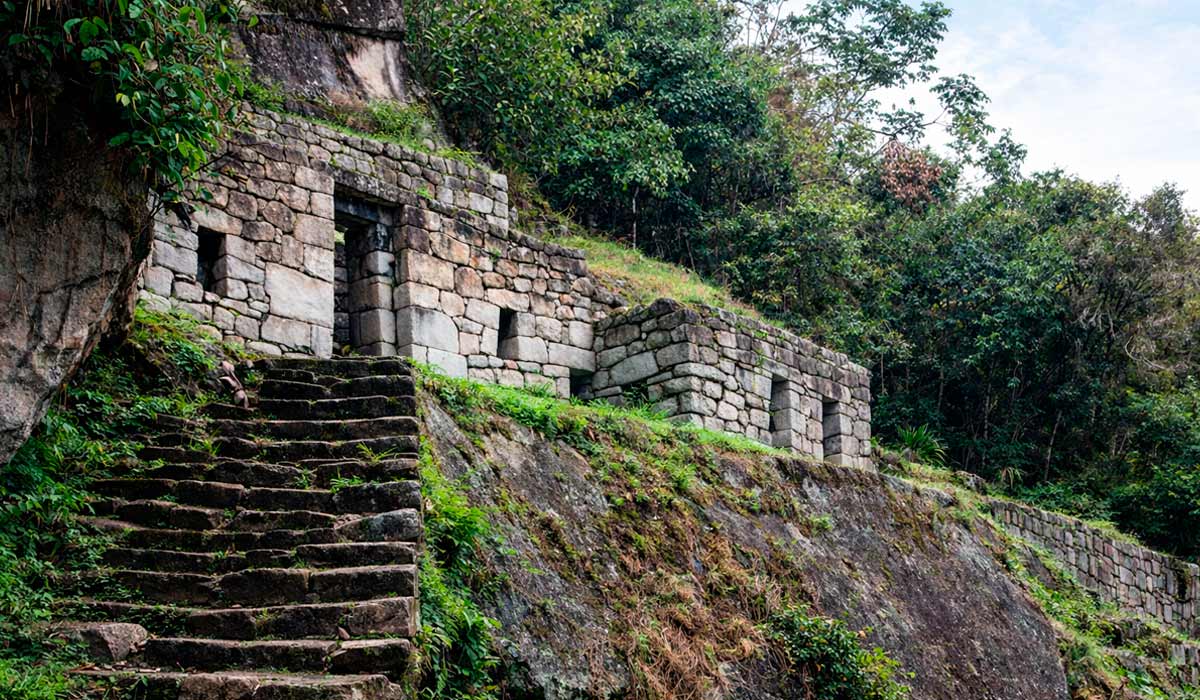
The physical demand is high. The trail moves away from the main route and includes very steep descents and climbs over irregular stone stairs. You need to be in good physical shape, wear hiking shoes with great grip, and it is not recommended for people who suffer from severe fear of heights. - Are children or minors allowed on this route?
No. For safety reasons, because the ground is rough and there are cliffs next to the trail at the base of Huayna Picchu mountain, the Ministry of Culture does not allow children under 13 years old to enter. - With this ticket, can I go up to the top of Huayna Picchu mountain?
No. Although the Great Cavern (Temple of the Moon) is at the base of the same mountain, this ticket (Route 3C) takes you to a different path at the bottom. If your goal is to reach the highest peak to see the panoramic view, you must specifically buy the ticket “Circuit 3: Huayna Picchu Mountain” (Route 3A).