

Peru is one of the most visited destinations in South America, a country that combines a deep archaeological legacy, like the mysterious Nazca Lines and the iconic Machu Picchu citadel, with a culture that lasts and a world-renowned gastronomy. Likewise, its huge appeal lies in the spectacular diversity of its three great regions: the arid desert coast, the imposing Andean highlands, and the lush Amazon jungle.
Therefore, when planning your expedition and deciding where to fly to Peru, the wide diversity of destinations will be the first big logistical challenge for your trip. The vast size of the territory and the location of its main attractions, separated by the Andes Mountains, cause changes in the itinerary, time, and budget of your trip.
To make the organization of your journey easier, this guide analyzes in detail the main air access points to the national territory. Additionally, we will explain why the capital city of Lima works as the almost essential and mandatory international connection center for the vast majority of adventurers who step into the country for the first time.
Where to fly to Peru?: The 5 best destinations
Deciding where to fly to Peru can be overwhelming because of the huge amount of natural, historical, and archaeological wonders the country offers across its vast territory. Likewise, each region has a special charm, ranging from the high and freezing peaks of the Andes mountains to the thickness of the tropical jungle. Therefore, selecting the destinations is the first logistical step to design a perfect travel itinerary that allows you to make the most of your time, energy, and budget during your stay.
Exploring the most iconic places of the national territory guarantees an unforgettable experience full of history, culture, and beautiful landscapes; so, here we present the best 5 destinations you can visit in Peru:
-
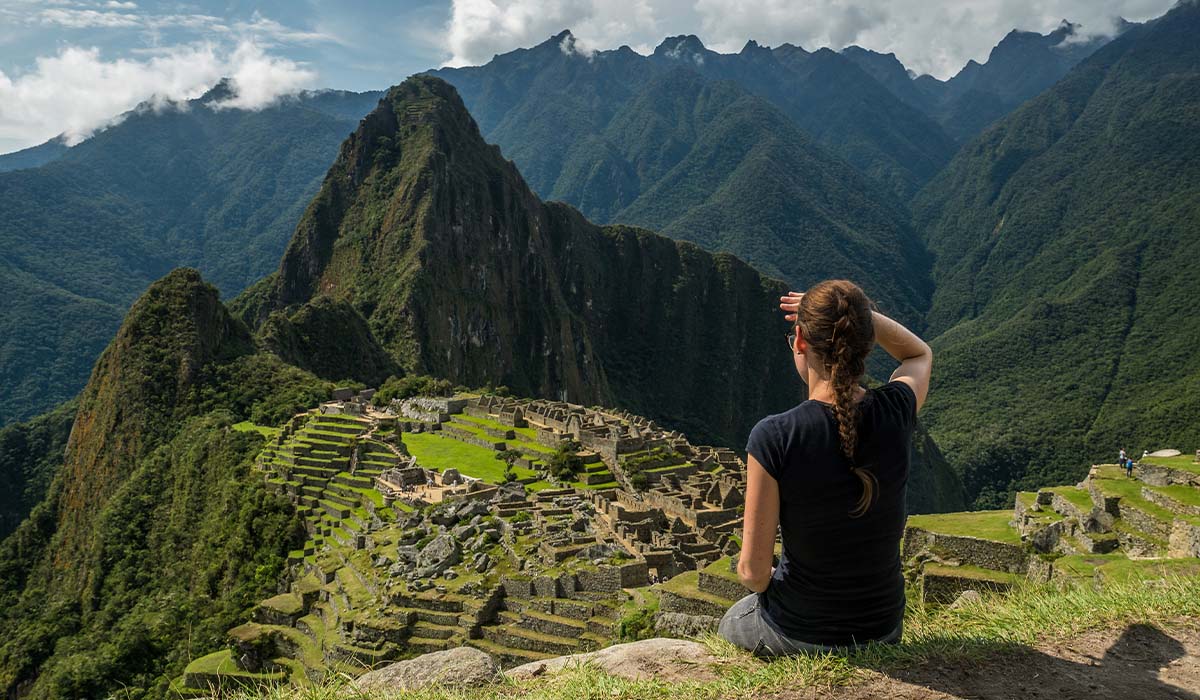
Machu Picchu and the imperial city of Cusco
Considered the main tourism engine of South America, this destination leads any travel list. The ancient capital of the empire serves as the starting point to acclimate and be amazed by its colonial architecture built on Inca stone foundations, before starting the long-awaited trip by train or on foot toward the iconic wonder of the world, strategically hidden among the cloud forest mountains.
-
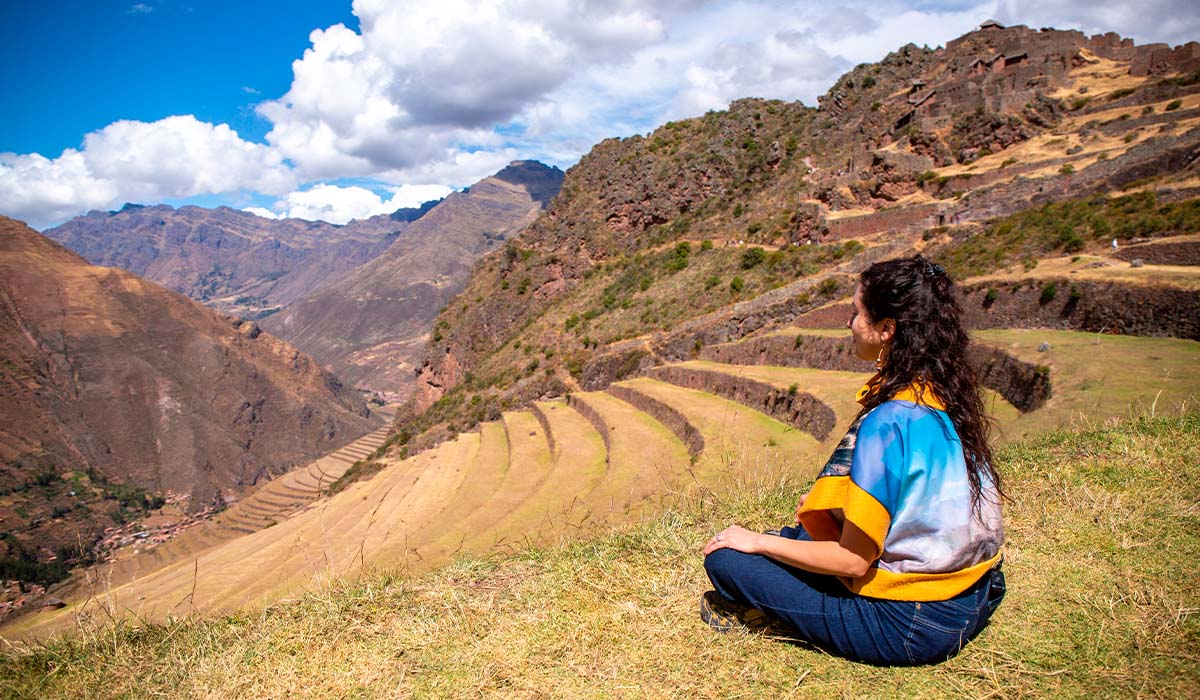
The Sacred Valley of the Incas
Located at a lower altitude than Cusco, this fertile and peaceful valley is famous for its picturesque traditional towns, its craft markets, and its imposing archaeological complexes like Pisac, Ollantaytambo and the circular terraces of Moray. It is a perfect place to learn about the culture of the Andes and enjoy exquisite food surrounded by spectacular snowy peaks.
-
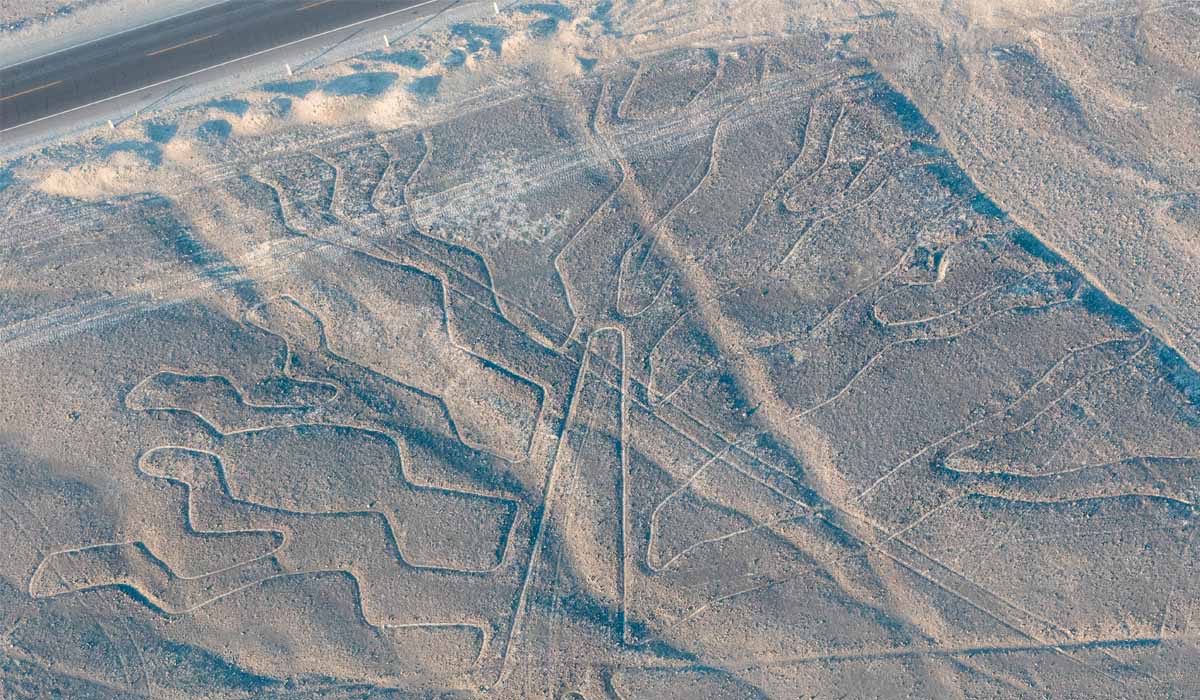
The enigmatic Nazca Lines and the Ica desert
On the dry southern coast of the country, travelers find one of the greatest mysteries of humanity: huge geoglyphs of animals and geometric figures drawn in the desert that can only be fully appreciated by flying over in a small plane. This route is usually perfectly combined with a visit to the Huacachina Oasis, where the adrenaline of the buggies and sandboarding complete the experience.
-
The imposing Lake Titicaca in Puno
Sailing on the highest navigable lake in the world is a truly mystical and peaceful experience. This vast body of deep blue water, located on the high plateau border with Bolivia, houses fascinating indigenous communities that keep their ancestral traditions, highlighting the famous floating islands of the Uros, built entirely by hand with totora reeds.

-
The lush Peruvian Amazon (Iquitos or Tambopata)
For lovers of nature and biodiversity, the Amazon jungle offers a different visual contrast to the Andean and coastal landscapes, as here the vast nature that occupies a large part of the Peruvian territory stands out. Therefore, whether you are sailing on the huge Amazon River from the city of Iquitos or exploring the rich national reserves in Tambopata (Madre de Dios), this destination guarantees close encounters with wildlife, night walks, and a total immersion in the lungs of the planet.

Book flights to Peru: Key strategies and advice
Before looking for the best options to fly to Peru, it is essential to understand that the main international entry point to the country is the Jorge Chávez International Airport (LIM), located in the city of Lima. Also, the vast majority of travel itineraries require a mandatory technical stop at this air terminal to connect with domestic flights, even if your final destination is Cusco or the city of Arequipa.
Likewise, mastering the strategies for booking flights to Peru requires knowing the exact deadlines and the right digital tools to optimize every dollar spent on your journey. In addition, applying smart search tactics through constant monitoring will guarantee you find the most competitive airfares on the market, allowing you to use those valuable savings to enjoy more excursions. Also, taking advantage of the long-term benefits offered by loyalty systems is a good move to significantly reduce the cost of your future trips to the South American territory.
Use of flight comparators
To find the most competitive rates for your international routes, it is highly recommended to use well-known search engines and price comparators, such as Google Flights, Skyscanner, or Kayak. These powerful digital tools not only show you the complete picture of the airlines but also allow you to set up personalized alerts to monitor price drops or sudden changes in real-time.
The ideal booking window: When to buy your tickets?
- For international flights: Although prices change constantly, the best booking window usually opens between 3 and 6 months before your travel date. Buying too far in advance (more than 8 months) or waiting until the last minute (less than 2 months) generally results in paying much higher rates.
- For domestic flights: Internal routes (for example, the Lima-Cusco route) are managed with a separate budget and are operated by local airlines such as LATAM, Sky Airline, and JetSMART. To secure good rates on these short trips, it is recommended to book 1 to 2 months in advance, especially if you plan to travel during the high tourist season (from May to October).
Frequent flyer programs and mile accumulation
For the most frequent adventurers, the best recommendation is to sign up for loyalty programs or airline alliances that you use most often. Similarly, using credit cards directly linked to these airlines can become a brilliant long-term strategy, allowing you to earn points for your daily purchases and then trade those miles for plane tickets, drastically reducing the total cost of your expedition.
Visa requirements and entry documents to the country
Preparing the documentation is the most important step before starting your adventure to Peruvian territory. Also, the country’s migration policies are quite friendly and accessible for the vast majority of international tourists who seek to explore its wonders. Therefore, carefully checking the entry requirements according to your nationality will help you avoid unnecessary problems at the airline counter and guarantee an absolutely smooth passage through the airport border controls.
Having updated official information is vital to plan your itinerary with total peace of mind from your home country. In addition, knowing the maximum allowed stay periods will help you design a realistic route that covers all the destinations you want to visit without breaking local migration laws. Also, carrying the correct identity documents in perfect condition is a mandatory requirement.
Essential documentation for the traveler:
- Valid passport: It is essential that your passport is valid for a minimum of six months starting from your date of entry to Peru. Without this, airlines will deny you boarding.
- Tourist visa exemption: Citizens of the vast majority of countries in the Americas (North and South) and Western Europe do not need to apply for a prior tourist visa. Upon arrival, migration usually grants a stay permit that varies between 30 and 90 days (extendable in some cases up to 183 days).
- Andean Community (CAN) documents: If you are a citizen of Colombia, Ecuador, or Bolivia, you have the huge advantage of being able to enter the country carrying only your physical and valid National Identity, Document (DNI), without the need for a passport.
- Exit ticket: Migration authorities and airlines may require you to show a plane or bus ticket leaving the country, which proves you intend to return home or continue your trip to another destination.
Which airlines fly to Lima, Peru?
As mentioned before, the main and almost mandatory entry point for international flights is the Jorge Chavez International Airport, located in the constitutional province of Callao, a step away from the capital. Likewise, this modern air facility works as the most important and busy connection center in the entire country. Therefore, even if your final destination is Cusco or Arequipa, the vast majority of routes will require a stop at this terminal before boarding a quick domestic connection flight.
Main domestic airlines (internal flights)
To move quickly within Peru and cover routes such as Lima-Cusco, Lima-Arequipa or Lima-Iquitos, the domestic market is led by three companies:
- LATAM Airlines: The traditional airline with the highest frequency of flights and connections throughout the country.
- Sky Airline: An excellent and popular “low-cost” option.
- JetSMART: Another strong competitor in the low-cost format.
Main international airlines
The Jorge Chavez Airport receives a very wide variety of airlines that connect Peru with the main urban centers of the world. Some of the most prominent, grouped by region, are:
- From North America: American Airlines, Delta Air Lines, United Airlines, Air Canada, JetBlue, and LATAM Airlines (with direct flights from cities like Miami, New York, or Los Angeles).
- From Europe: Iberia (direct connection from Madrid), Air France (from Paris), KLM (from Amsterdam), and LATAM Airlines (from Madrid).
- From Latin America: Copa Airlines (acting as the main and most efficient connection center for travelers from Central America and the Caribbean via Panama), LATAM Airlines (connecting with major capitals like Santiago, Buenos Aires, Bogota, and São Paulo), Avianca, and Sky Airline.
How to move by bus or train once inside Peru
Once you have landed and passed through immigration procedures, the next exciting step is to master the excellent ground transportation options that connect the spectacular destinations of the country. But do not worry, as navigating the national ground transportation system is much simpler and safer than many international travelers imagine at first.
Additionally, companies offer modern fleets equipped with reclining seats, onboard technology, and customer service. Also, planning your routes with proper anticipation will allow you to secure the best panoramic seats and optimize your travel times, establishing perfect ground logistics to travel through the coast, the highlands, and the Amazon.
Ground transportation options:
- Interprovincial buses: For long trips (like the popular route Lima – Paracas – Nazca – Arequipa – Cusco), recognized companies like Cruz del Sur, Oltursa, or Civa offer the “bus cama” service (seats that recline 160° or 180°). Traveling at night in these buses is an excellent strategy to save money on hotels and gain time.
- Tourist railway network: Train trips in Peru are synonymous with luxury and Andean landscapes. The main routes are operated by PeruRail and Inca Rail, focusing primarily on transferring tourists from Cusco and the Sacred Valley to the town of Aguas Calientes (Machu Picchu).
- Luxury and long-distance trains: If you are looking for a truly premium experience, there is the Andean Explorer train that connects Cusco with Puno (Lake Titicaca) and Arequipa, offering private cabins and observatory cars to enjoy the high plateau with an unmatched level of comfort.
- Safe ticket purchase: It is recommended to always buy bus or train tickets directly on the official websites of the companies or at their authorized terminals, avoiding informal resellers who usually hang around the stations.