
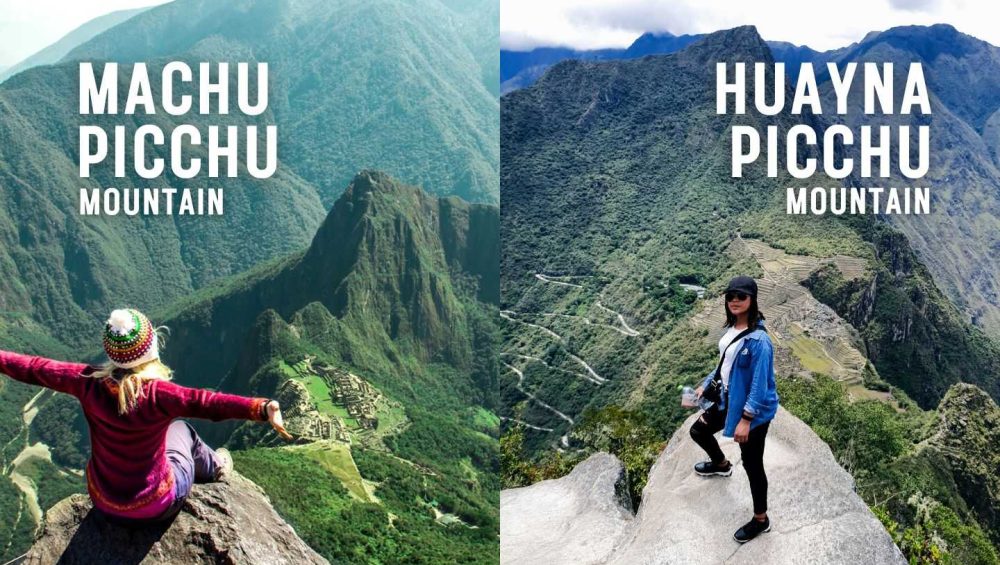
The archaeological complex of Machu Picchu is the tourist destination with the highest demand in South America. But, due to the strict control of the capacity set by the authorities, specific experiences like the Inca trail or the climbs to the nearby peaks require securing bookings with a minimum of four months in advance.
Inside the historical sanctuary, visitors have the option to add to the tour of the citadel with two hiking routes: the Huayna Picchu mountain (known for its steep stone stairs) and the Machu Picchu mountain. Both heights allow you to observe the Inca citadel and the geography of the Urubamba canyon from a great perspective.
So, deciding between both peaks depends entirely on the physical condition of the visitor, the logistic time available, and the type of Machu Picchu Hike you want to do. Next, we break down the different routes to find out which one fits your preference better.
Huayna Picchu vs. Machu Picchu Mountain
Around the year 1450, by order of the Inca Pachacutec, this urban, religious, and administrative complex was built for the imperial elite. The building was strategically placed on the side of the Machu Picchu mountain, being flanked to the north by the peak of Huayna Picchu.
Today, both geological formations, which border the archaeological site, have open hiking routes. These paths allow visitors to climb up the ancient stone roads to reach the viewpoints located at the highest points of each mountain and get a complete view of the Inca urban planning. But, which is the best option? Now, we will analyze in detail the features, differences, and advantages of each of these mountains to help you make the best decision.
Hike to Huayna Picchu
The route to the top of Huayna Picchu (2,693 masl) is known for its steep landscape. The path is made up of narrow trails and uneven stone stairs, built right on the mountain walls and on the edge of cliffs. Because of its steepness and constant exposure to cliffs, this climb demands high focus and is not recommended for people who suffer from vertigo.
The final stretch, known for almost vertical stone steps, demands a lot of physical and technical effort. Passing this section is required to reach the top and have the choice to go down to the Temple of the Moon area.
- Travel time: Between 1.5 and 2.5 hours (round trip), depending on your walking pace.
- Distance: About 2 kilometers of steep uphill path.
- Access: The checkpoint is located next to the Sacred Rock, at the north end of the Inca citadel.
- Operating rules: Entry is allowed only for people over 12 years old. Likewise, you must buy the specific ticket (Circuit 3A – Huayna Picchu Mountain Route); besides being in great physical shape. Finally, it is not advised for visitors with altitude sickness or vertigo.
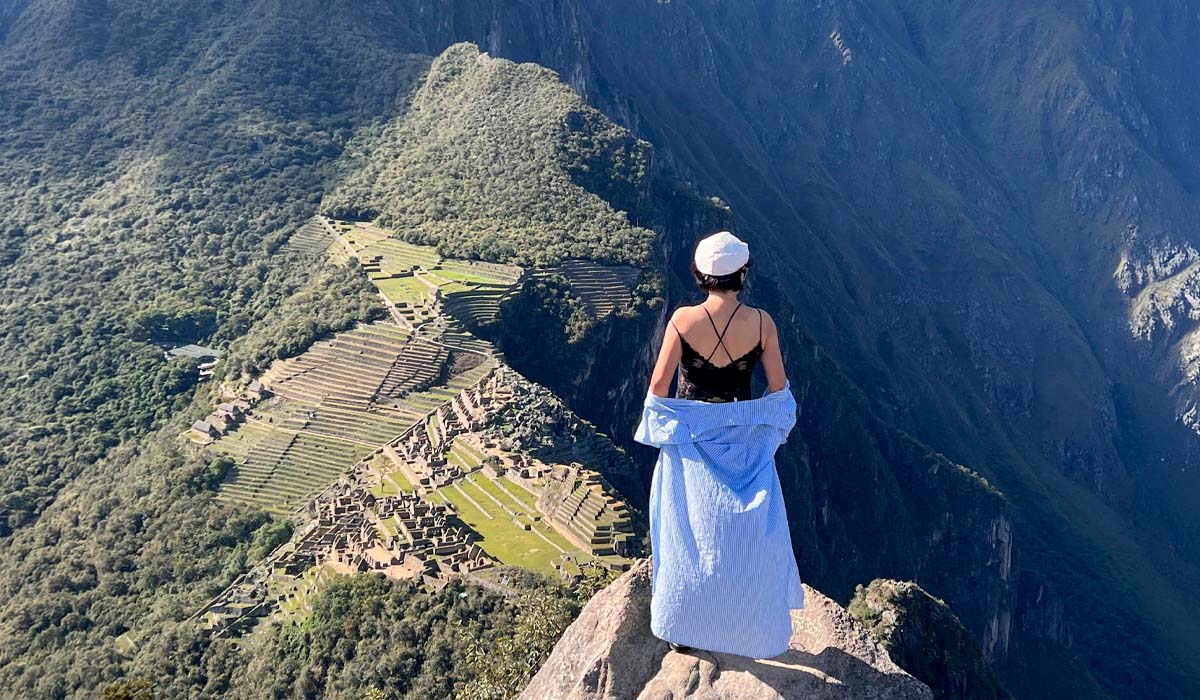
Required Ticket: Circuit 3A – Huayna Picchu
This ticket allows you to tour the structures in the lower part of the archaeological site and gives you permission to climb the north peak.
- Capacity and bookings: It is the most requested ticket in the whole complex. Due to the landscape and safety limits of the trail, daily access is highly restricted. It is mandatory to secure your purchase with an average of 3 to 4 months in advance.
- Entry times: Tickets are issued in divided schedules (the first at 7:00 am and the second at 10:00 am). The ticket shows an exact time to enter the Inca citadel and a specific later time slot to register at the checkpoint and start the mountain climb.
Hike to Machu Picchu Mountain
The route to the top of Machu Picchu mountain (3,082 meters above sea level) has a wider path and a lower angle of incline compared to Huayna Picchu. Because of these terrain features, the climb is technically less complex and is possible for a wider age range. However, the physical effort is still considerable due to the altitude.
A practical advantage of this route is its lower amount of traffic, which allows for a journey with fewer interruptions. Likewise, the width of the terrain offers full panoramic views of the Inca citadel from the first viewpoints, without the mandatory need to finish the whole climb to the top.
- Travel time: Between 2.5 and 3 hours (round trip), depending on the walking pace.
- Distance and elevation: Continuous climb of approximately 2 kilometers per stretch, overcoming a height difference of more than 600 meters from the main archaeological site.
- Access: The control point is located in the upper sector of the complex, following the marked detour near the Guardian’s House.
- Operational restrictions: Unlike Huayna Picchu, it does not demand a strict minimum age, but it requires the purchase of the specific ticket (Circuit 1A – Machu Picchu Mountain Route). All minors must do the tour under the strict supervision of an adult.
Required Ticket: Circuit 1A – Machu Picchu Mountain
This ticket gives access to the panoramic route in the upper sector of the citadel and allows you to do the hike to the south peak.
- Capacity and reservations: It works as the main alternative for visitors who did not get spots for Huayna Picchu. Although its daily capacity is higher, the demand requires buying the ticket several weeks in advance.
- Entry times: Just like the previous route, the system operates through specific time ranges (the first at 7 am and the second at 9:00 am). Visitors must respect the entry time to the complex and show up at the mountain control booth within the time slot stated on their ticket to be allowed to climb.
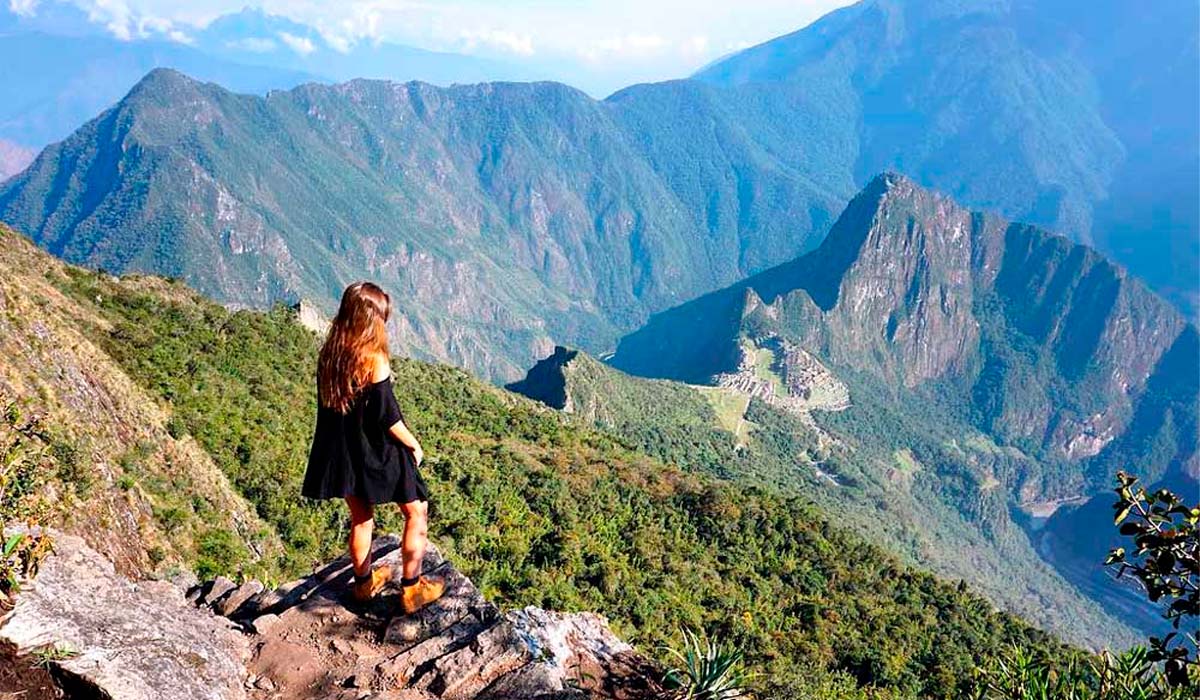
Huayna Picchu or Machu Picchu Mountain: Which is the best route?
Both peaks offer different views and technical demands. Huayna Picchu represents a shorter journey, with a higher level of difficulty and an age limit, and it includes access to the Temple of the Moon. On the other hand, Machu Picchu Mountain requires more hiking time, does not have strict age limits, and reaches a higher altitude, offering a wider viewing angle of the archaeological site and the valley.
- When to choose Huayna Picchu: This option is the right one for visitors with great physical condition, without a fear of heights, and who are looking for a technical climb or want to explore the extra Inca structures on their tour of the Inca citadel, which are built on the edge of the cliff. Choosing this requires securing the booking several months in advance due to the highly limited capacity.
- When to choose Machu Picchu Mountain: This trail is suitable for family groups or hikers who prefer a wider path with less vertical slope. It allows you to get panoramic views of the surroundings from the first sections, without the technical need to complete the route to the top, and its tickets usually have more availability in the short term.
Logistics and safety tips
To make the climb to either of the two mountains, it is essential to consider the following practical recommendations:
- Booking in advance: The ticket for Huayna Picchu requires an advance purchase of 3 to 4 months. The ticket for Machu Picchu Mountain, contrary to popular belief, cannot be bought just three days in advance; it must be secured several weeks in advance, especially during the season of highest demand (April to October).
- Acclimatization: It is essential to spend at least two days before in the city of Cusco or the Sacred Valley to adapt the body to the altitude and avoid breathing problems during the hike.
- Physical condition and pace: Although professional mountain experience is not required, your physical condition must be good enough to handle steep climbs. It is recommended to keep a steady pace; the assigned time slots provide enough time to complete the circuits without rushing.
- Equipment and weather: Between November and March (rainy season), the stone steps become slippery. The use of hiking shoes with non-slip soles is strictly necessary for safety.
- Luggage restrictions: The site rules forbid entry with backpacks that weigh more than 5 kilos or have large sizes. The gear must be reduced to the basics: reusable water bottles (single-use plastics are forbidden), sunscreen, a hat, a raincoat or rain poncho, and a camera.