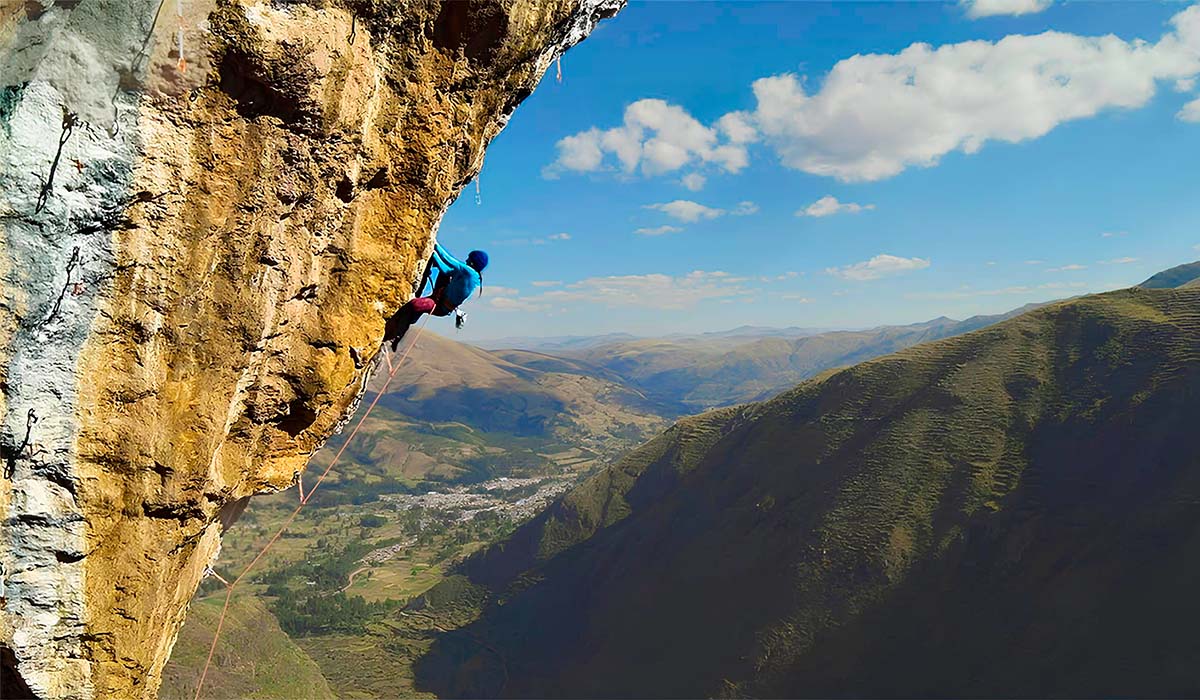
Peru is a top destination for nature and adventure tourism, due to its unique geographical makeup. The territory is marked by the interaction of three regions: the high Andes Mountains (which is home to the world’s tallest tropical mountains), the extensive Pacific Coast (with its deserts) and the vast Amazon Jungle. This geographical division is the engine of an unmatched diversity of outdoor activities.
This rich topography makes it possible to practice extreme and adventure sports that few countries can offer at the same time. The list of activities is long and includes hiking and rock climbing in the highlands, canoeing (rafting) in mountain rivers, paragliding, cycling, sport fishing on the coast, and sandboarding in the dunes. This variety makes Peru an ideal destination for multisport.
This guide is designed to break down the offer of activities and sports in Peru. Below, we will identify the best activities and places (like Cusco, Huaraz, the Colca Canyon and Ica) to practice each discipline.
What sports can I do on my trip to Peru?
The range of adventure activities available in Peru is wide and spreads across the three geographical regions of the country, which allows visitors to take part in both land and water sports. The offer includes the famous hiking/trekking routes in the Andes Mountains, bird watching in the cloud forest and the Peruvian Amazon, and sport fishing on the coast.
Water and river options cover rafting, while the coast is ideal for surfing. Travelers can also practice mountain biking in the valleys, sandboarding in the Ica dunes, and rock climbing in specific areas. This variety highlights the country’s developed infrastructure for adventure tourism. Below, we will get to know the activities and sports in Peru that are most in demand:
1. HIKING / TREKKING
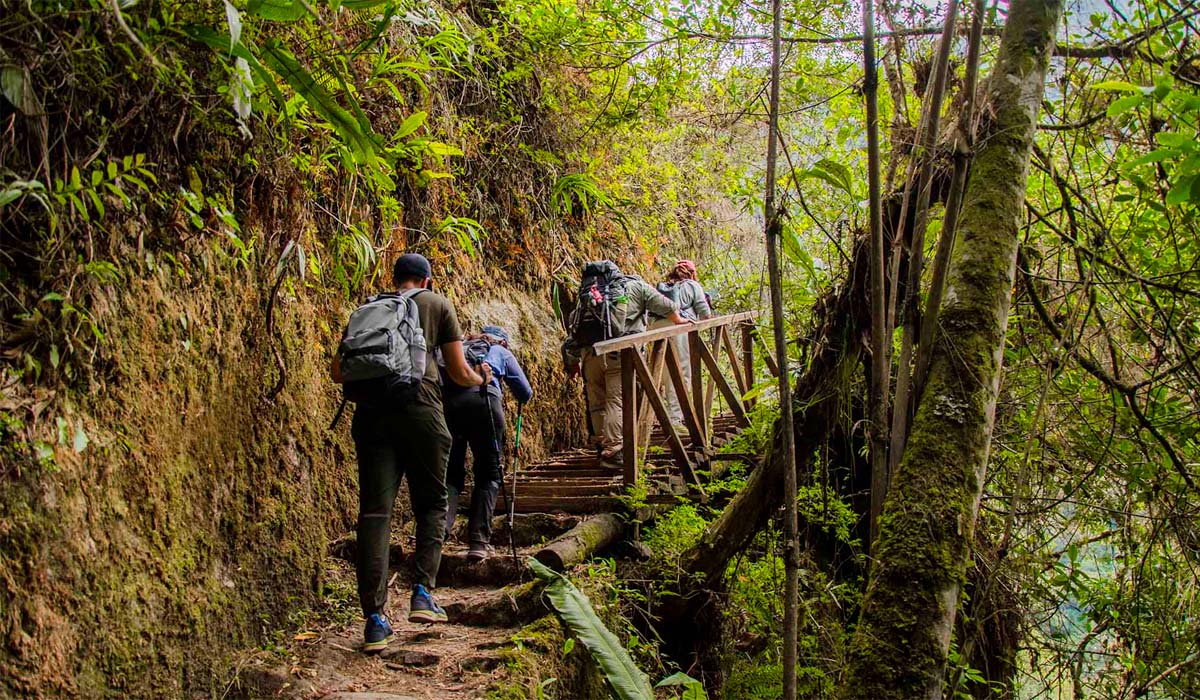
Peru offers two main categories of hiking: high-mountain trekking (Highlands/Sierra) and cloud forest/jungle walking. The routes are extensive and cross various ecosystems, from the 6,000 meters of the glaciers to the valleys of the Amazon.
A. Southern Highlands Routes (Cusco and Canyons)
This is the most popular area, known for the combination of archaeology, high mountains, and a diversity of logistics options:
- The Classic Inca Trail: The most famous route in the Americas. It is a 4-day, 3-night hike that covers original stone paths and unique archaeological sites, ending with entry to Machu Picchu through the Sun Gate.
- Logistics: It requires a limited government permit (approx. 200 spots for tourists daily) that must be booked 6 to 8 months in advance.
- Alternative Treks: There are multiple options that do not require a permit. The Salkantay Trek (4-5 days) is the most physically demanding, known for its 4,630-meter pass and its glacial landscapes. The Choquequirao Trek (4 to 9 days) leads to the remote “sister” city of Machu Picchu, which is still largely unexcavated.
- Short Excursions: Cusco is the starting point for high-altitude day hikes, such as Rainbow Mountain (Vinicunca, 5,036 m) and Humantay Lake (4,200 m).
- Canyons: The Colca Canyon and the Cotahuasi Canyon (Arequipa) offer hiking routes and descents to the bottom of the canyons, which are different challenges than high-mountain treks.
B. White Mountain Range Routes (Huaraz)
Huaraz is the trekking capital of Peru, focused on high mountains and mountaineering. The routes reach extreme altitudes and are ideal for experienced hikers.
- Main Circuits: The Santa Cruz Trek (4 days) and the Huayhuash circuit (8 to 12 days) are the most famous in the region, offering unmatched views of glaciers and lagoons.
- Mountaineering: The White Mountain Range is home to Huascarán (6,768 m), the highest peak in Peru, popular among experienced climbers.
C. Cloud Forest and Northeast
- Chachapoyas: This northeastern region offers hikes to pre-Inca monuments, the main one being the Kuélap Fortress.
- Amazon: Trekking can be done in the jungle, often as part of Tours to Machu Picchu and the Amazon that extend to the Manu National Park or Puerto Maldonado.
2. BIRDWATCHING
Peru is recognized internationally as a key destination for birdwatching, competing to host the greatest bird diversity on the planet. The country registers nearly 2,000 species of resident and migratory birds, which represents approximately 18.5% of all species known worldwide. This unique richness offers excellent opportunities for specialized ecotourism.
The Amazonian Epicenter: Manu National Park
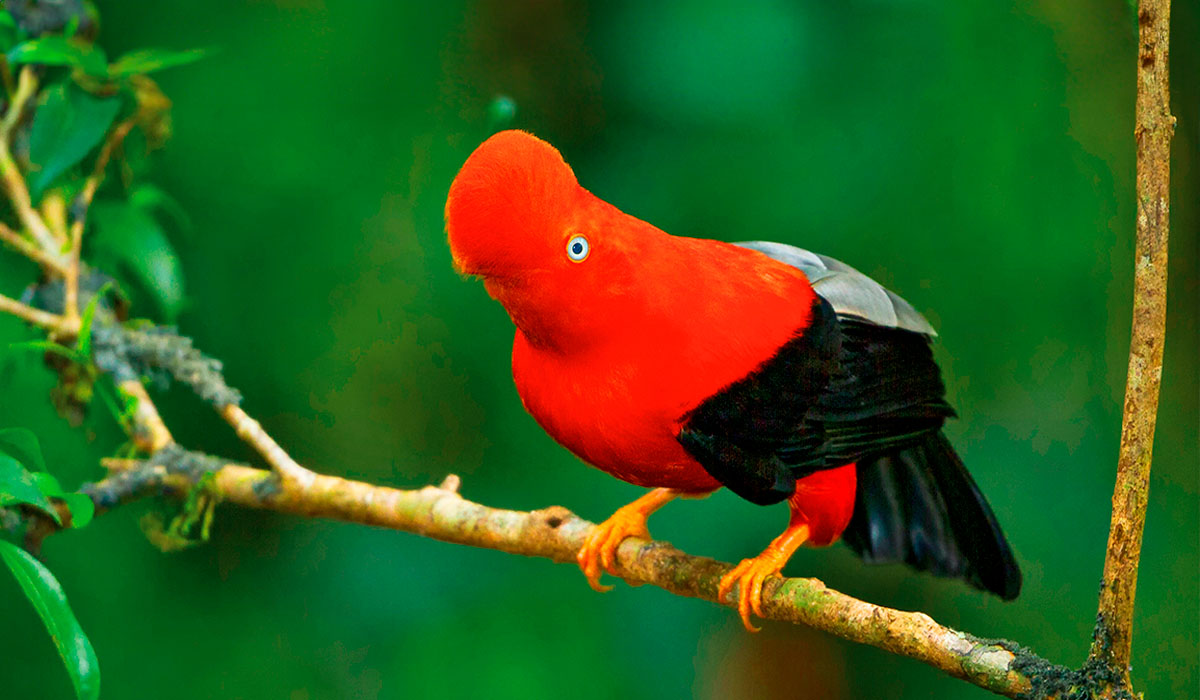
Manu National Park, declared a Biosphere Reserve, is the most prestigious bird observation destination in southern Peru. Manu is famous for its pristine state and hosts over 1,000 species just within its borders. The most dedicated observers can spot the Cock-of-the-Rock (national bird), toucans, quetzals, tanagers, and seven species of macaws. This destination is ideal for expeditions seeking maximum biodiversity in the jungle.
Regional Diversity (Andes and Northeast)
Birdwatching opportunities extend along the entire Andean Range, where endemic species live.
- Canyons (Arequipa/Cusco): Deep canyons, such as the Colca Canyon, are the main sites for observing the Andean Condor (Vultur gryphus).
- Cloud Forest (North): The high jungle of the north is the only known habitat of the Spatuletail Hummingbird (Loddigesia mirabilis), a unique bird that attracts observers from around the world.
- Best Time: Although birds can be seen all year round, the best time for observation in the Andes and the cloud forest is the dry season (September to December), when the stable weather makes hiking easier.
Logistics and Gear
Given the climate variability, it is essential to bring adequate gear, including good quality binoculars, neutral colored clothing so as not to alert the birds, and waterproof protection (poncho or jacket) for excursions in the mountain and the jungle.
3. FISHING
Peru is a destination with significant opportunities for sport fishing, given its vast coastal extension in the Pacific and its many rivers and lakes in the Amazon and the Andes. The country offers different experiences in both fresh water and salt water, adapting to different types of fishing.
- Fishing in the Amazon (Rivers and Lagoons): The Amazon basin offers some of the best river fishing experiences. The Tambopata and Amazon rivers are the habitat for a large variety of freshwater species. Among the species that can be caught (generally under the catch and release method) are payaras, catfish (bagre), zungaro, and pacu (a species similar to the piranha). Fishing is generally done from ecolodges located inside the nature reserves.
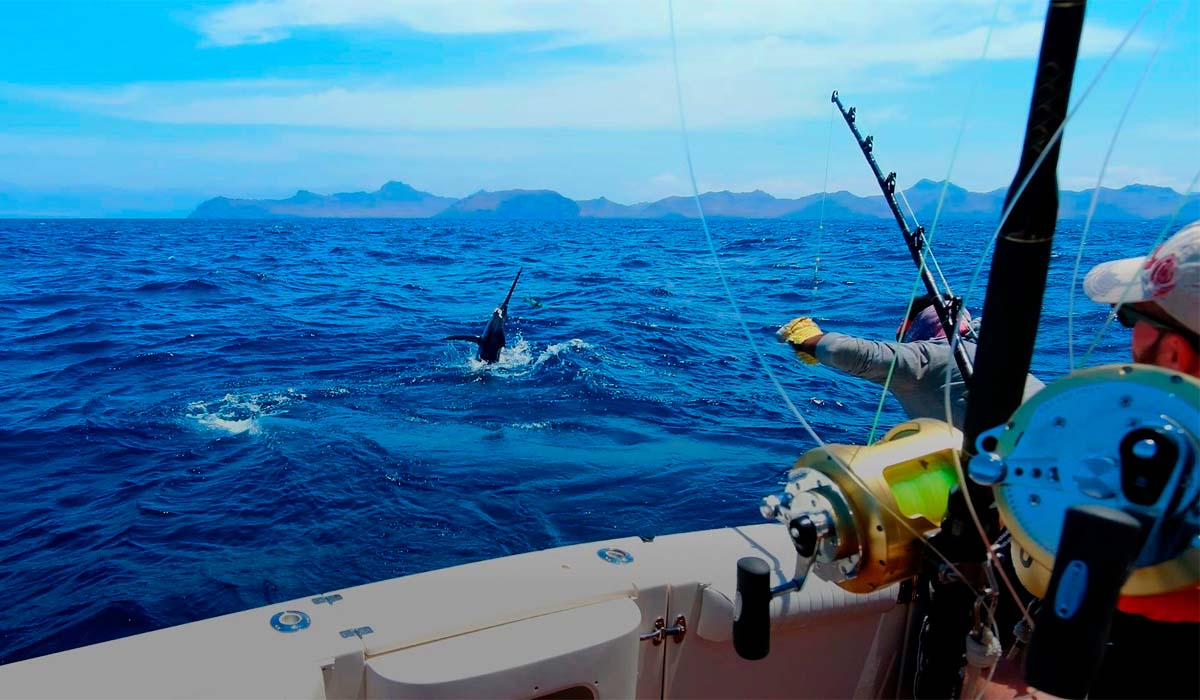
- Fishing on the Coast (Pacific Ocean): The Peruvian coast is famous for salt water fishing. In deep sea areas, the most sought after species by sport fishers include marlin (black and blue), tuna, and swordfish. Shore fishing or fishing in bays offers species like corvina and chita. A notable fact is that the world record for the largest black marlin caught (weighing 702 kg) was registered in Peruvian waters, which shows the coast’s potential for big game fishing.
- Fishing in the Highlands (Mountain): In the high mountain areas of the Andes, fishing focuses almost only on the rainbow trout. This species was introduced and is now found in high altitude lagoons and rivers, such as those in the Cusco and Huaraz regions. Trout fishing, whether with a fly or a lure, offers a quiet and solitary experience in a mountain landscape setting.
4. RAFTING (Whitewater Boating)
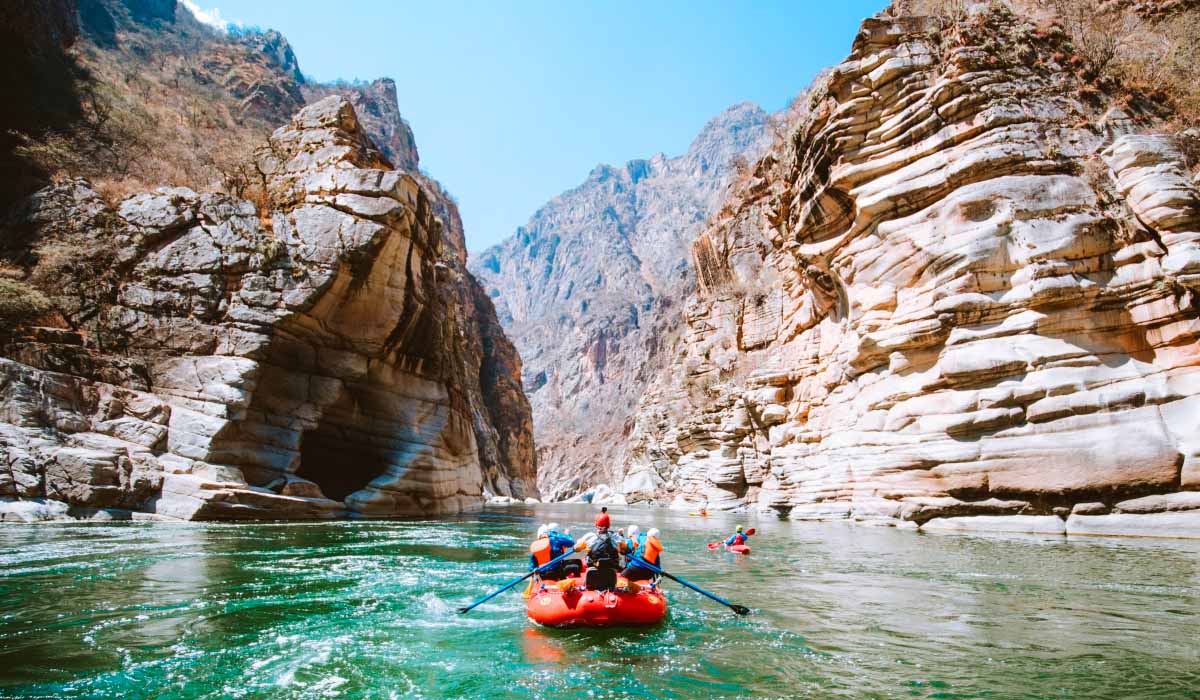
Peru, with its geography marked by the quick descent of the Andes toward the Amazon, offers ideal hydrological conditions for whitewater boating or rafting. The activity is popular in various rivers across the country, with difficulty levels ranging from beginner to expert.
- Urubamba River (Cusco) – Beginner to Intermediate Level: The Urubamba River (or Vilcanota), which runs through the Sacred Valley, is the most popular and accessible option for rafting. This route is ideal for beginners and one-day trips, as it features Class II and III rapid sections. It is the starting route for most tourists looking to try boating.
- Apurímac River – Advanced Level and Expedition: The Apurímac River is known as one of Peru’s most outstanding rafting destinations, famous for its Class IV and V rapids. Trips to this canyon are usually 2 to 3-day expeditions, as the river is remote and offers access to virgin landscapes and areas inaccessible by road. The Apurímac provides a high-intensity experience for those who already have prior whitewater experience.
- Other Destinations: Other regions also offer this activity. The Cañete River (near Lima) is popular during the summer. While Peru is home to the Colca Canyon (which is navigable in other sections), the rafting activity takes place in nearby rivers. Boating allows you to appreciate the nature of canyons and jungles from a unique river perspective.
5. SURF
The Peruvian coast, extending for over 3,000 kilometers, is a destination known for the consistency and variety of its breaks. Archaeologists hold that Peruvians were forerunners of surfing, using the ancient ‘caballitos de totora’ (reed horses) near Huanchaco (Trujillo). Geographically, the Humboldt Current contributes to the quality of the waves, keeping the water cold but generating constant swells throughout the year.
Outstanding Breaks and Options by Region
The surf offering in Peru is divided into two main regions, and the biggest and most consistent waves are available throughout the year at some point on the coast:
- Northern Peru: It is world-famous for being home to the longest left wave in the world, located in Puerto Malabrigo (Chicama), with breaks that can be over 800 meters long. Other world-class spots in the north include Cabo Blanco and Órganos.
- Central/Southern Coast (Lima): Near Lima, spots like Punta Rocas and Pico Alto are known for their big and consistent waves (which can reach 6 meters or more), with Punta Rocas being a frequent location for international championships.
Best Time and Logistics
Surfable waves are abundant throughout the year in Peru. However, the season for the strongest and most organized swell varies by region: the best swell in the South/Lima occurs between April and October (generated by southern swells), while the North receives its best waves between November and March (generated by northern swells). The great advantage of Peru is its vast coast with more than 30 suitable beaches for all levels, which allows travelers to easily find breaks with low crowds.

6. MOUNTAIN BIKING
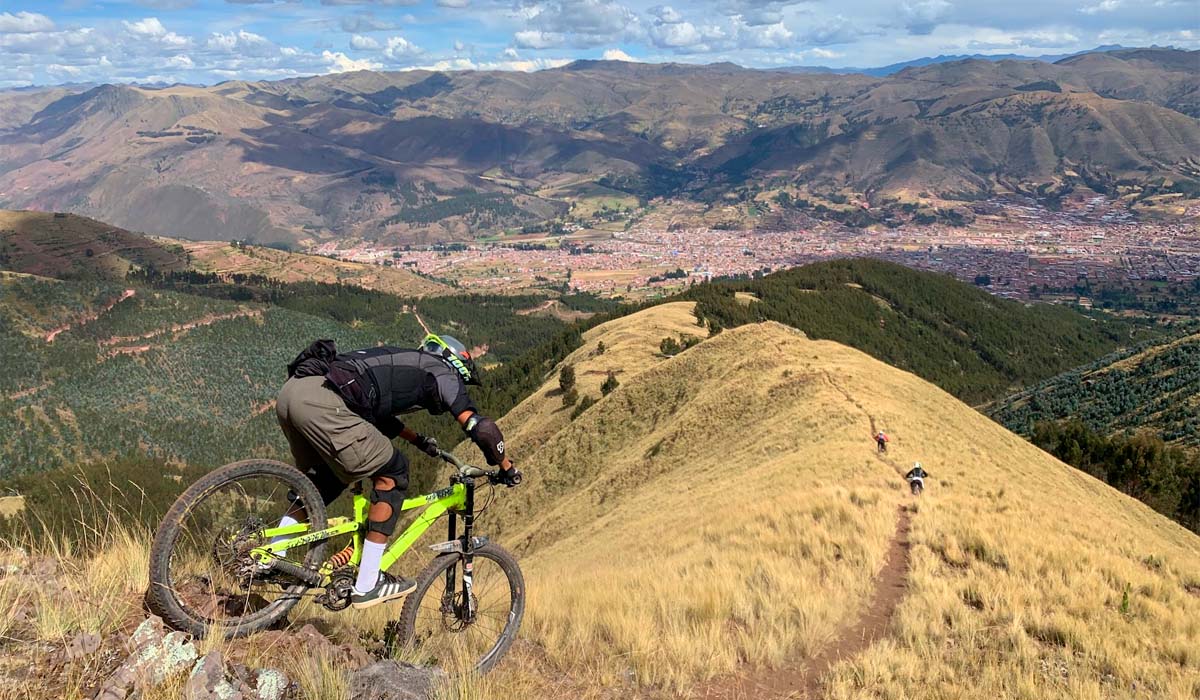
Peru is a destination with extraordinary potential for mountain biking because of its vertical geography. The Andes Mountains, with many peaks that are over 5,500 meters high, create ideal terrain for routes with large drops and technical descents. This environment offers a wide range of challenges, from fast descents through canyons to endurance treks on paths that connect valleys and peaks.
The Unique Routes (Inca Style)
The most unique feature of biking in the country is the vast network of ancient trails that were part of the Qhapaq Ñan. This allows for routes that mix adrenaline with archaeological exploration. The main areas for biking are:
- Cusco: Routes that descend from the high areas towards the Sacred Valley, often visiting sites like Moray and the Salt Mines.
- Cordillera Blanca (Huaraz): High mountain routes with views of glacial lagoons and snow-capped mountains.
- High Jungle: Multi-sport routes that include biking as part of a journey (e.g., Inca Jungle Trek).
Logistics and Safety
Because official trail signs and maps are limited in many areas, the safest and most efficient method for doing technical descents or remote routes is through an organized tour. These trips ensure safety, certified equipment, and logistical support (return transport, expert guide).
7. SANDBOARDING
Sandboarding is an adventure sport that uses sand dunes as a slope and has become popular on the southern coast of Peru. The main center for this activity is the Huacachina Oasis, located a few kilometers from the city of Ica. The area is known for having some of the largest and highest dunes in South America, which provides the perfect setting for the descent.
The Experience and Logistics
Sandboarding is usually offered in organized tours that combine the activity with a buggy ride (sand vehicles). These vehicles take visitors up to the top of the dunes. From there, participants descend on snowboards or sleds. The activity is best done during the afternoon and sunset, when the sand temperature drops, and it is an accessible option for most travelers.

8. ROCK CLIMBING
Peru has significant potential for rock climbing because of the geology of the Andes and the many canyons that cross the highlands. The main centers for this activity are found in the Cordillera Blanca (Huaraz), the Sacred Valley of Cusco, and in areas close to the capital itself, Lima.
The Sacred Valley (Cusco) has become a key destination for sport climbing and via ferratas. A popular adventure example is the Pachar via ferrata, which allows visitors to climb a cliff using fixed ladders and safety cables. For those looking for a more technical or extreme experience, the rock formations of the Cordillera Blanca offer more advanced challenges, both in bouldering and in climbing large walls in lower altitude areas.