
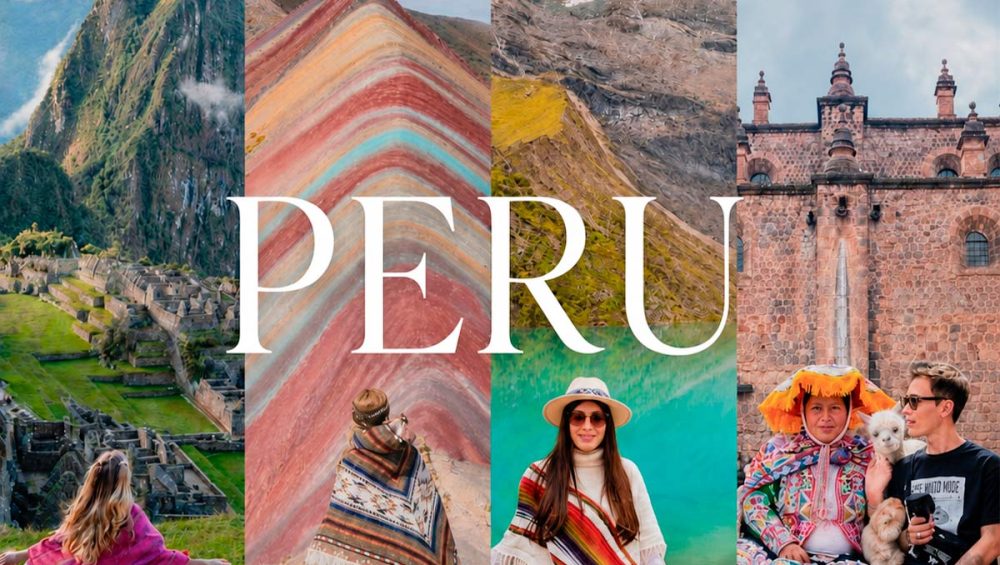
Peru is a country that seems to contain several destinations in one. In a few hours you can go from walking through the colonial streets of an Andean city at more than 3,000 meters high, to relaxing in front of the Pacific Ocean, or exploring the Amazon jungle. This geographic diversity (coast, mountains, and jungle) is exactly what makes it so difficult to answer such a simple question: how many days do you need to visit it?
The short answer is this, on average, you need between 7 and 15 days to see the main destinations in Peru, although you can do a 4 day visit to Cusco – Machu Picchu or a full 3 week tour. It all depends on how deeply you want to explore the country and how many regions you are interested in visiting.
However, this number is just a starting point. The ideal time for your trip changes depending on several factors: if you are only looking to visit Machu Picchu, if you want to combine history and nature with a southern route, or if your goal is to travel the country from north to south leaving nothing out. Things like your tolerance for trekking, the altitude of certain destinations, and the season you decide to travel also play a part.
To help you plan your ideal itinerary, in this article we will dive into the key factors you must consider before defining the length of your trip: the best season to visit Peru, what to expect if you include trekking in your route, how to handle altitude and acclimatization in areas like Cusco or the Sacred Valley, some suggested itineraries based on the days you have available, and the must-see destinations you should not leave out of your tour.
Quick answer: Summary table by type of traveler
If you have little time and want to get straight to the point, this table will help you identify how many days you need depending on the type of experience you are looking for:
| Type of trip | Recommended days | Main destinations |
|---|---|---|
| Short visit | 4-5 days | Cusco and Machu Picchu |
| Classic | 7-9 days | Cusco, Sacred Valley, Machu Picchu and Lima |
| Complete | 12-15 days | Classic + Arequipa, Colca Canyon and Lake Titicaca |
| In-depth | 18-21 days | Complete + Amazon and Trujillo/Chiclayo (north) |
As you can see, each itinerary adds destinations to the previous one: the more days you have available, the more regions of the country you will be able to include in your route. If you only have a long weekend, the short visit to Cusco and Machu Picchu is still the most popular and realistic option. But if your trip to Peru is a once-in-a-lifetime experience, it is worth considering the full or in-depth itinerary so you do not leave out the Amazon or the north of the country.
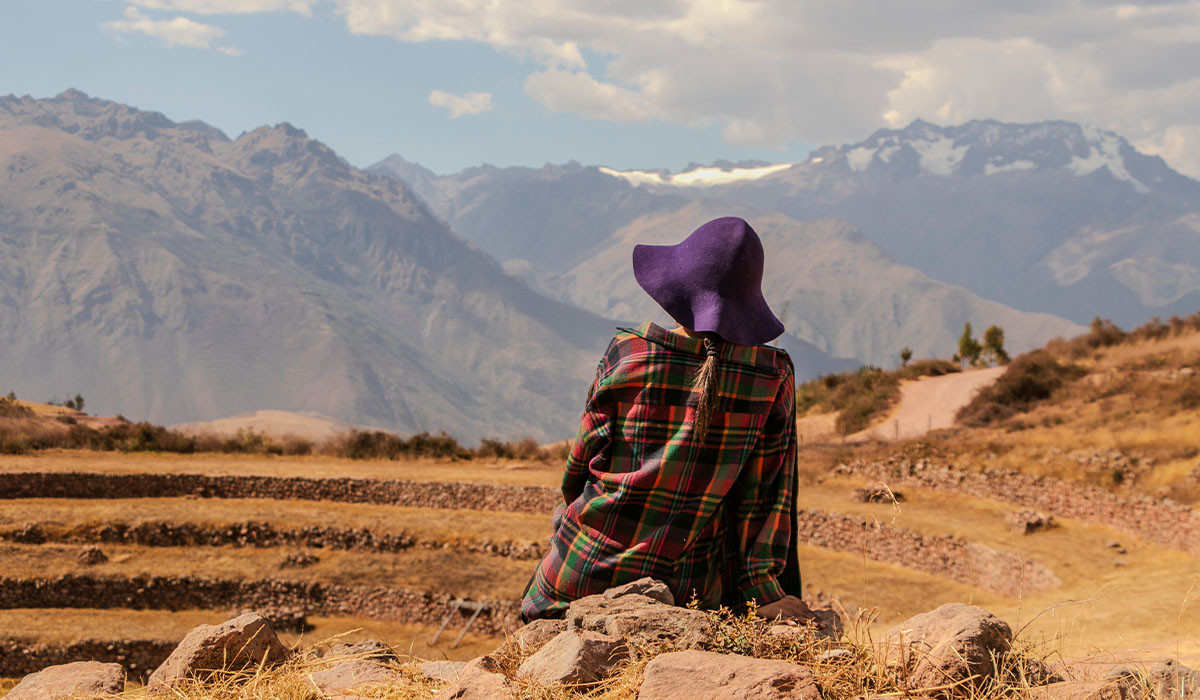
Factors that determine how many days you need
Before booking flights, it is important to understand that the ideal length of your trip does not only depend on the destinations you want to visit, but also on several factors that can add (or subtract) days to your itinerary.
-
Travel season: dry vs. rainy
Peru has two seasons, and the one you choose can completely change your experience:
- The dry season (from April to October) is the most popular to visit Cusco, the Sacred Valley, and do trekking, since the weather is more stable and the trails are in better conditions. However, being the high season, it is recommended to add one or two extra days to your itinerary to have some room for the larger crowds of tourists in places like Machu Picchu.
- The rainy season (from November to March) has fewer tourists and lower prices, but some trekking routes (like the Inca Trail) close in February for maintenance. If you travel at this time, you might need extra flexibility in your itinerary to adapt to weather changes or alternative routes.
-
Trekking included: add several days to your route
If your plan includes one of the classic hikes to Machu Picchu, you must consider extra days besides your usual tourist tour. The Inca Trail (4 days / 3 nights) and the Salkantay trek (5 days / 4 nights) are the most popular options, and both add between 3 and 4 extra days to your base itinerary, not counting the rest days before and after the physical effort. If trekking is part of your plan, your short 4-5 day trip easily becomes an 8-9 day adventure.
-
Altitude and acclimatization
Cusco is located at more than 3,400 meters above sea level, and altitude sickness (soroche) can affect any traveler, no matter their physical condition. Because of this, it is recommended to spend 1 to 2 days in Cusco before starting any trekking or intense physical activity, to give your body time to adapt. Skipping this acclimatization period is not only uncomfortable, but it can ruin the most important days of your trip, like the hike to Machu Picchu.
-
Budget and travel pace
The pace you want to keep on your trip also directly affects the number of days you need. If you are looking for a relaxed trip, with time to enjoy each destination without rushing, it is recommended to add extra days between transfers and activities. On the other hand, if your priority is to see as many places as possible in the shortest time (an intense itinerary), you can optimize your route, although this normally means longer days, frequent early mornings, and less free time. The budget also comes into play: traveling more days means more expenses on lodging, food, and transport, so it is worth finding the balance between available time and your actual budget.
Suggested itineraries by length
Once you are clear about how much time you have available, the next step is to organize your route. Here we leave you four itinerary proposals according to the length of your trip, designed so that you can adapt them to your interests and pace.
Peru in 5 days
Ideal if you have little time but do not want to leave Peru without getting to know its most famous jewel. This itinerary focuses only on Cusco and its surroundings.
- Day 1: Arrival in Cusco. Take the chance to rest and start the process of getting used to the altitude, with a gentle walk through the historic center and the Main Square.
- Day 2: Sacred Valley tour (Pisac, Ollantaytambo and the nearby Andean towns).
- Day 3: Machu Picchu. Leave very early to Aguas Calientes to have the full day at the Inca citadel.
- Day 4-5: Return to Cusco to explore nearby archaeological sites like Sacsayhuaman, free time for handicraft shopping, and return flight.
Peru in 8-10 days
This is the most requested itinerary for those visiting Peru for the first time, since it adds the capital to the trip and gives more time to enjoy the Sacred Valley without rushing.
Take the 5-day itinerary as a base and add:
- 2-3 days in Lima, at the start or end of the trip, to explore the historic center, Miraflores, Barranco and enjoy Peruvian food (one of the country’s great attractions).
- More nights in the Sacred Valley, instead of doing it as a single-day tour, which allows you to calmly explore towns like Ollantaytambo or Urubamba, and rest better before Machu Picchu.
Peru in 15 days
With two weeks available, you can go beyond Cusco and explore southern Peru in depth, adding amazing high-altitude landscapes.
Take the previous itinerary as a base and add:
- Arequipa (2-3 days): The “White City”, its colonial architecture and its food.
- Colca Canyon (2 days): One of the deepest canyons in the world, ideal for seeing condor flights.
- Puno and Lake Titicaca (2 days): Visit to the Uros floating islands and Taquile island.
Peru in 21 days: north, south and jungle
If you have three weeks, you can do a complete tour that covers the three regions of the country: coast, mountains and jungle.
Take the 15-day itinerary as a base and add:
- Peruvian Amazon (3-4 days): choose between Iquitos (access to the Amazon River) or Tambopata (more accessible from Cusco), for a jungle experience with wildlife viewing.
- Archaeological north (3-4 days): Trujillo and Chiclayo, home to pre-Inca cultures like the Moche and the Chimu, with sites like Chan Chan and the Royal Tombs of Sipan.
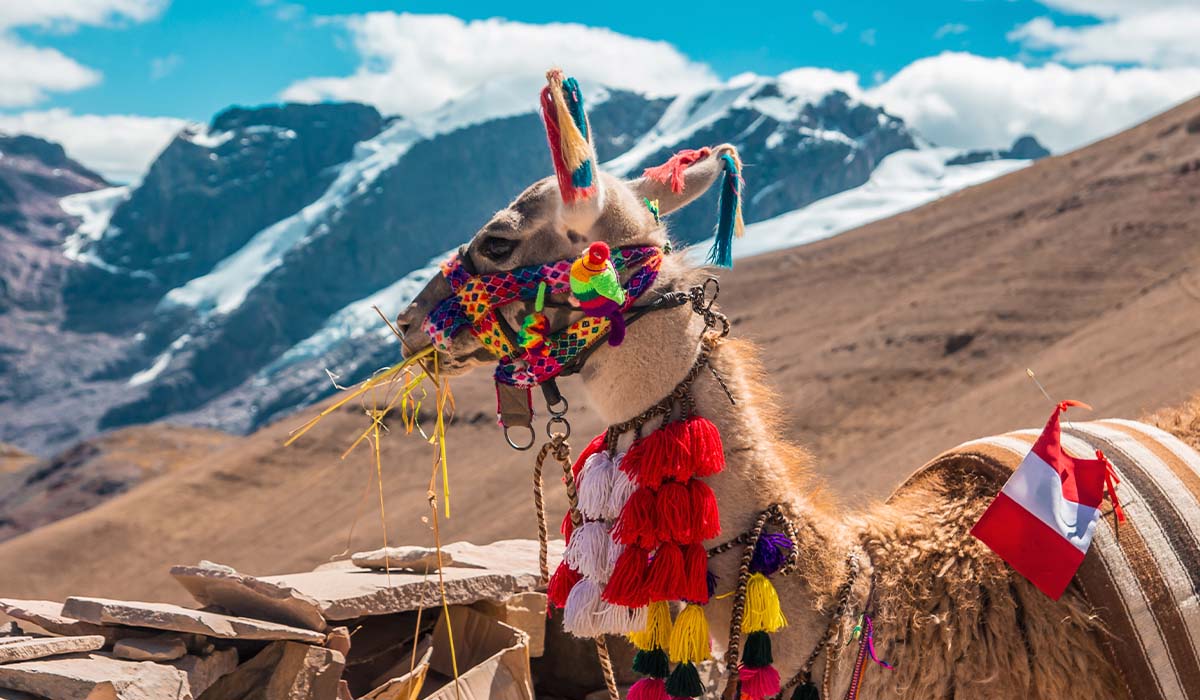
Must-see destinations and how many days to spend on them
Beyond general itineraries, it is worth knowing in detail each key destination in Peru and how much time each one really needs. This way you can build your own custom route, combining the places that interest you the most.
-
Machu Picchu and the Sacred Valley
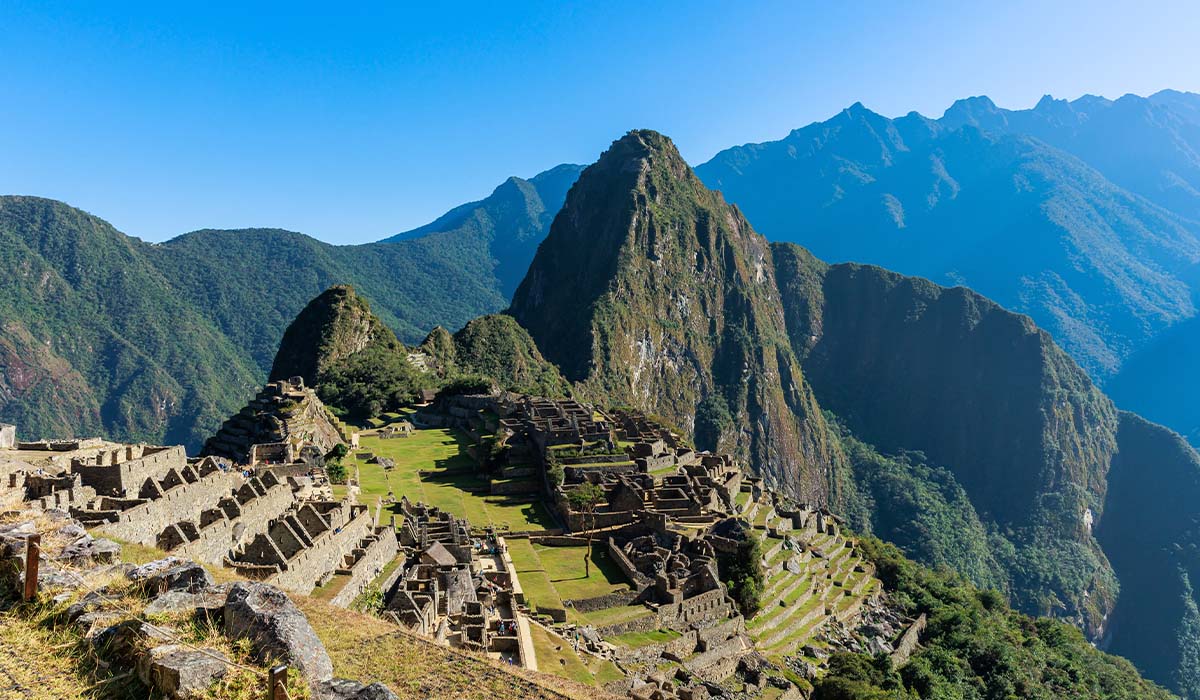
It is the heart of any trip to Peru and deserves quality time, not just a quick visit. Spend at least one full day in the Sacred Valley (Pisac, Ollantaytambo) and another full day in Machu Picchu, so you do not feel like you are racing against the clock. If you can add a third day, consider a second entrance to the citadel with a different route, like Huayna Picchu or Machu Picchu Mountain.
-
City of Cusco
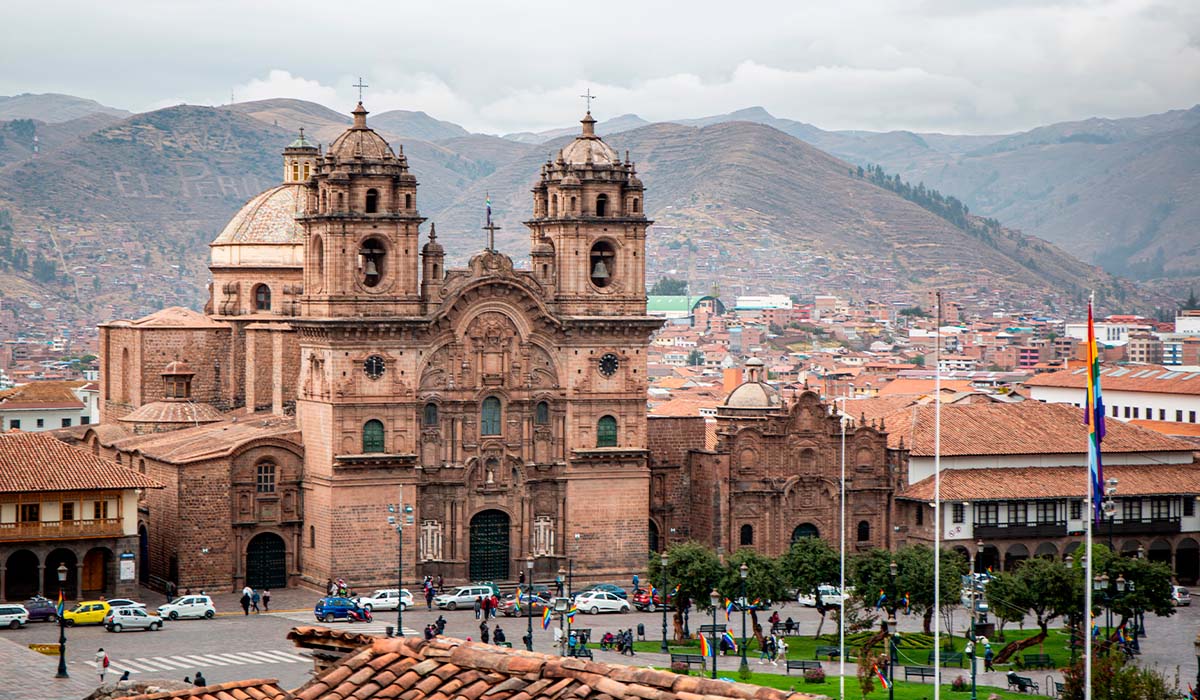
Former capital of the Inca empire, Cusco is much more than the starting point to Machu Picchu. Its historic center, the Main Square, the Qorikancha and the San Blas neighborhood deserve at least one day of quiet exploration, which is also ideal to make the most of getting used to the altitude.
-
Inca Trail / Salkantay Trek
For travelers looking for a more adventurous experience, these trekking routes are one of the most memorable ways to reach Machu Picchu. The Inca Trail (4 days) is the classic route and requires booking several months in advance due to its limited spots; on the other hand, the Salkantay Trek (5 days) is an equally amazing choice, with snowy landscapes, and does not require special permits.
-
Rainbow Mountain (Vinicunca)
One of the most photographed destinations in recent years. It is visited as a single-day trip from Cusco, leaving very early (around 3-4 am) and several hours of hiking at more than 5,000 meters high. Because of its physical demand, it is recommended to do it only after you have gotten well used to the altitude.
-
Choquequirao
Known as the “sacred sister” of Machu Picchu, this Inca citadel is much less visited, which makes it a much more authentic and solitary experience. The trekking is demanding, with long ups and downs, so it is recommended only for travelers with a good physical condition and previous experience in high-altitude hikes.
-
Arequipa and the Colca Canyon
The “White City” surprises with its colonial architecture made of volcanic stone and its intense food scene. From there, it is possible to visit the Colca Canyon, one of the deepest in the world, famous for the flights of Andean condors at sunrise. Consider at least one day for the city and one or two more for the canyon, depending on if you do the visit as a one-day tour or stay to sleep in the area.
-
Lake Titicaca (Puno)
The highest navigable lake in the world is home to communities with unique traditions, such as the floating islands of the Uros, built entirely of totora reeds, and Taquile island, known for its textiles. Two days are enough to get to know the main islands and, if you have the chance, spend a night in the home of a local family for a closer experience.
-
City of Lima
Many travelers underestimate the capital, but Lima has become one of the food capitals of South America. Between the historic center, Miraflores, and the bohemian neighborhood of Barranco, one or two days are enough to walk around, enjoy the boardwalk facing the sea, and try everything from a good ceviche to Peruvian fine dining.
-
Peruvian Amazon
Peru is also a jungle, and an important part of its biodiversity is found in the Amazon. Whether you choose Tambopata (easier to reach from Cusco) or Iquitos (with direct access to the Amazon River), between 3 and 4 days allow you to explore trails, spot wildlife, and sail the rivers, with at least two nights in a lodge to make the most of the sunrise and sunset trips, when animal activity is highest.
Practical tips to build your itinerary
Before confirming your itinerary, keep in mind these tips that will save you time, money, and more than one headache.
Book Machu Picchu and the Inca Trail in advance
The entrance to the citadel has limited spots, and the Inca Trail (with only 200 permits per day for tourists) usually sells out 2 to 6 months in advance, especially in the high season (May, June, and August). Leaving it for the last minute can mean running out of the trek or the date you need.
Combine your internal flights well so you do not lose days in transfers
Instead of going back to Lima between each destination, look for direct routes between cities like Cusco, Arequipa and Puno (by land). This allows you to link destinations without going back unnecessarily and gain full days of exploration.
Choose the season according to your priority
The dry season (April to June, and August to October) is ideal if your plan includes trekking or Rainbow Mountain, while the rainy season (November-March) works well for itineraries focused on cities and food, with the advantage of fewer tourists and better prices.
Frequently asked questions
- Is it possible to see Machu Picchu in one day from Cusco?
Yes, it is possible. There are single-day tours that leave very early from Cusco, take the train to Aguas Calientes, and go up by bus to the citadel, returning the same day. However, it is a long and tiring day (12-14 hours in total), so it is recommended to spend at least 2 days if you want to enjoy the experience without rushing. - How many days minimum for the Inca Trail?
The classic Inca Trail requires a minimum of 4 days and 3 nights of trekking to reach Machu Picchu. There is also a short version of 2 days/1 night (short Inca trail), but it only covers the final part of the route and does not include the most outstanding archaeological sites of the original path. - What is the best time to travel to Peru?
The dry season (April to June, and August to October) is the best time for most travelers, especially if they include trekking, as it offers more stable weather and clear skies. The months of May, June, and August are those with the largest tourist crowds. If you prefer fewer tourists and do not mind some rain, the wet season (November to March) is also a good option, although the Inca Trail closes in February for maintenance. - Can you see Machu Picchu and the Amazon in a single 10 day trip?
Yes, it is totally possible to combine both destinations in 10 days, although the itinerary will be more intense. An example of how to divide the days would be: 4-5 days for Cusco, Sacred Valley and Machu Picchu, and 3-4 days for the Amazon (Tambopata is the most practical option because it is close to Cusco), leaving 1-2 days for transfers. With fewer days available, it is better to prioritize one of the two destinations to enjoy it calmly.