
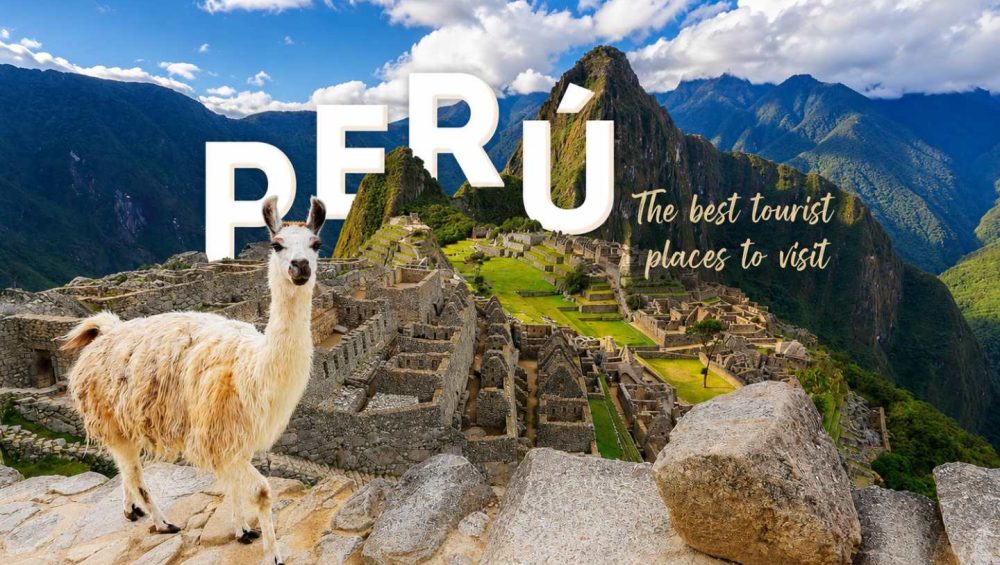
Peru is one of those countries where the same trip can take you from the desert to the jungle and from there to snowy peaks of more than 5,000 meters, all in a matter of days. Its territory brings together the coast, the mountains, and the Amazon, three regions with completely different climates, landscapes, and ways of life. This geographical variety is what makes each region a different experience: dunes and beaches in the south, Andean valleys and colorful mountains in the center, rivers and tropical forests in the east.
But Peru is not only explained by its geography. It is a country with a history that goes back to ancient civilizations, and that heritage is still present in every corner you visit. Machu Picchu is the most known postcard, but the Inca and pre-Inca legacy spreads through entire cities, temples, stone paths, and traditions that local communities keep to this day. Visiting these places is not just looking at ruins; it is walking through sites that still have meaning for those who live there.
To all this, we add the Peruvian food, known internationally and able to sum up in a dish the mix of cultures that defines the country: Andean ingredients, pre-Hispanic techniques, Spanish, Chinese, Japanese, and African influence. With this mix of nature, history and food, it is not a surprise that Peru has become one of the favorite destinations in South America for travelers looking for more than just pretty photos.
Below, we will go through the must-see tourist places in the country: from the iconic Machu Picchu and the Sacred Valley, to less explored destinations like the Colca Canyon, Lake Titicaca and the Amazon jungle. With this guide, you will have a clear view of what to expect from each destination and you will be able to plan your route according to your time and interests.
Discover tourist places you must visit in Peru
1. Machu Picchu, Cusco
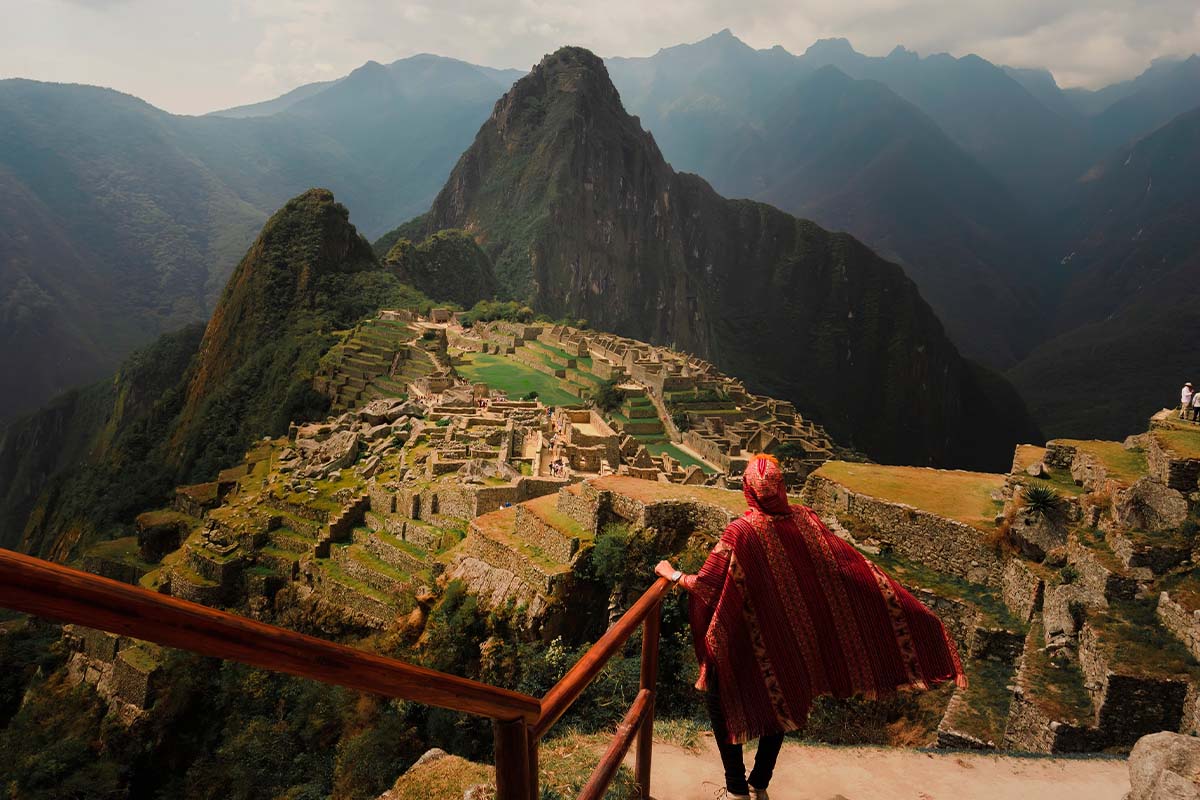
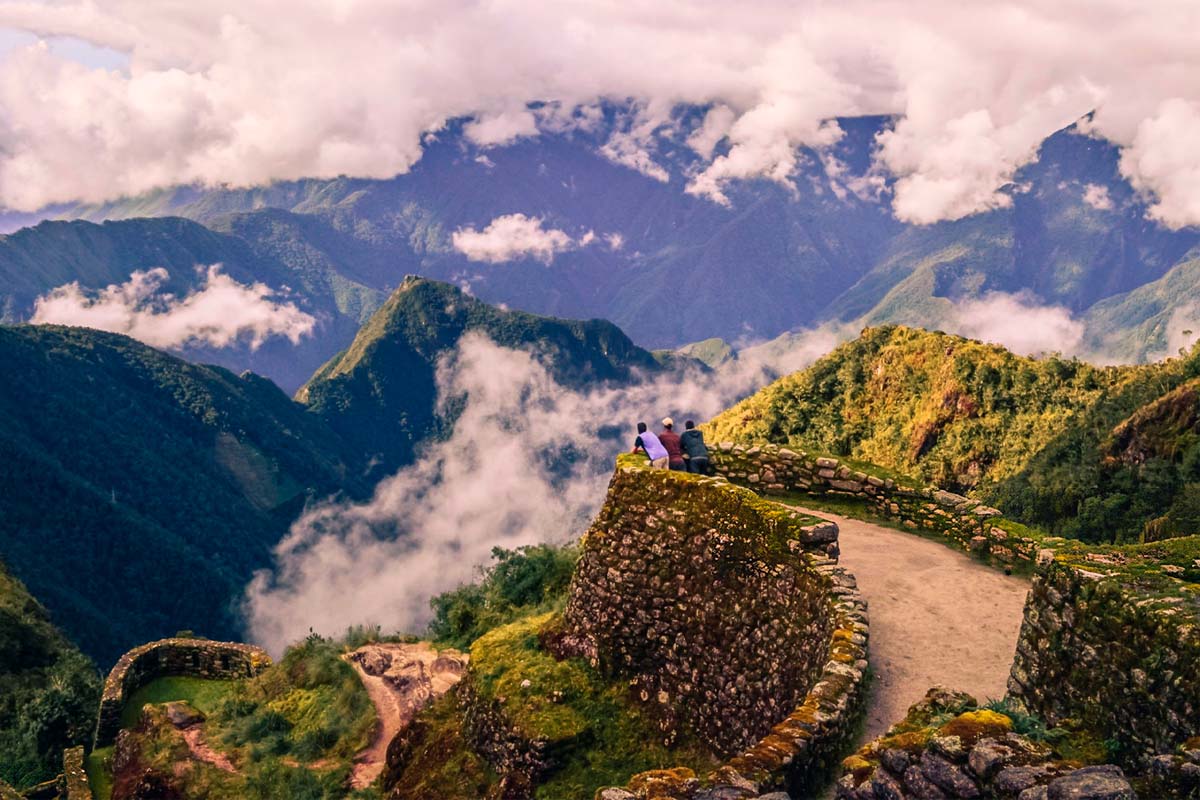
Machu Picchu is the most recognized archaeological jewel of South America and, for many travelers, the main reason to choose Peru as a destination. This 15th-century Inca citadel, located at 2,430 meters above sea level, combines carved stone architecture with an environment of green mountains and fog.
Access to the citadel begins in Cusco. From there, visitors must first travel to Machu Picchu Town (also known as Aguas Calientes), and only then take an official bus to the entrance of the sanctuary.
There are two ways to get to Aguas Calientes:
- By train: It is the most used option. Trains leave from Cusco (Poroy station), Ollantaytambo, or Urubamba, with companies like PeruRail and IncaRail operating different service categories, from cheap to luxury.
- Walking: For those looking for a more complete experience, there are trekking routes like the classic Inca Trail (4 days) or options like Salkantay and Lares, which end in Aguas Calientes or directly in the citadel.
Once in the town, the Consettur bus goes up a curvy road to the entrance of Machu Picchu in about 25 minutes. It is also possible to walk up a steep path in 1 to 2 hours.
Best time to visit
The dry season, between April and October, is the most recommended to visit Machu Picchu, as it offers clear skies and a lower chance of rain, ideal for photos and walks. July and August are the months with the highest tourist influx, so it is a good idea to book tickets and trains several weeks in advance.
The rainy season, from November to March, brings fewer tourists and more affordable rates, although with a higher risk of fog and heavy rain. February is the only month when the classic Inca Trail closes for maintenance.
Ticket prices
The ticket prices for Machu Picchu vary according to the chosen circuit and the nationality of the visitor. Tickets for foreign adults on standard circuits cost 152 Peruvian soles, equal to about 40 dollars, while circuits that include access to the Huayna Picchu Mountain or the Machu Picchu Mountain have a cost of 200 soles, around 53 dollars.
Since May 2026, an extra conservation fee is also applied: for adult foreign tourists the increase is 11 soles, which raises the total price to 163 soles (about 48 dollars). Peruvian citizens, on the other hand, pay 69 soles with the new fee included.
Tickets are bought exclusively through the official platform “tuboleto.cultura.pe”, and it is recommended to book in advance, especially in high season.
2. City of Cusco
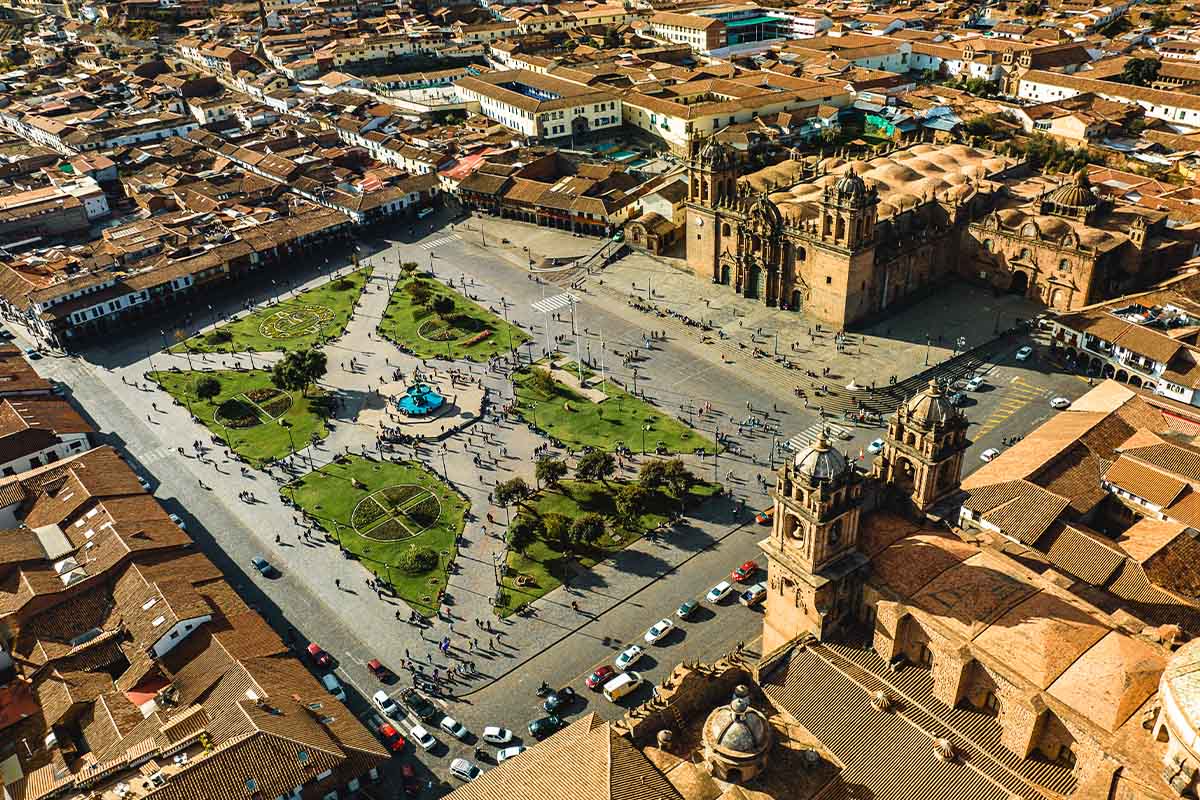
Before becoming the starting point to Machu Picchu, Cusco was the capital of the Inca Empire and the center of the Tahuantinsuyo. Today it is a city where colonial architecture literally stands on Inca foundations, and that mix of eras can be seen walking down almost any street in the center.
Main Square and historic center
The Main Square is the heart of Cusco and the reference point from which any visit to the city is organized. It is surrounded by the Cathedral of Cusco and the Church of the Society of Jesus, two colonial buildings that combine a baroque style with Inca elements reused in their foundations and walls.
From the square start the main streets of the historic center, among them the famous Hatun Rumiyoc street, known for its wall of perfectly fitted Inca stones, including the famous twelve-angled stone. Walking through this neighborhood allows you to see up close the Inca building technique, with no mortar and resistant to centuries of earthquakes.
Other nearby points of interest include:
- San Blas: Bohemian neighborhood with steep streets, artisan workshops, and viewpoints overlooking the city.
- San Pedro Market: Ideal to try local fruits, natural juices, and traditional food at affordable prices.
- San Cristobal: Natural viewpoint with one of the best panoramic views of the historic center.
Qoricancha and nearby archaeological sites
The Qoricancha, or Temple of the Sun, was the most important religious center of the Inca empire and was originally covered in gold sheets. After the conquest, the Spanish built the Convent of Santo Domingo on its walls, so today it is possible to see both structures overlapping: the Inca stone at the base and the colonial architecture on the upper levels.
A few minutes from the city there are also several archaeological sites that are usually visited on the same trip (the so-called “city tour”):
- Sacsayhuaman: Ceremonial and military complex with walls of huge stones, some of more than 100 tons, located in the upper part of the city.
- Q’enqo: Shrine carved directly into limestone, used for rituals and possibly mummification.
- Puka Pukara: Old control and rest post on the way to the Sacred Valley.
- Tambomachay: Known as the “Inca bath”, a site with ceremonial water channels that still work.
Most of these places can be visited in half a day with the Cusco Tourist Ticket (BTC), which also gives access to museums and other attractions in the region. It is recommended to spend at least 2 full days in the city before continuing to the Sacred Valley or Machu Picchu, both to get to know it calmly and to get used to the altitude (3,400 m.a.s.l.).
3. Sacred Valley of the Incas
The Sacred Valley is a fertile strip that stretches along the Urubamba River, between Cusco and Machu Picchu. It was one of the most important agricultural areas of the Inca empire thanks to its mild microclimate, and today it gathers some of the best preserved towns and archaeological sites in the region. Many travelers tour it as an intermediate stop before taking the train to Aguas Calientes, also taking advantage of the fact that its altitude, lower than that of Cusco, helps to get used to the altitude.
-
Ollantaytambo
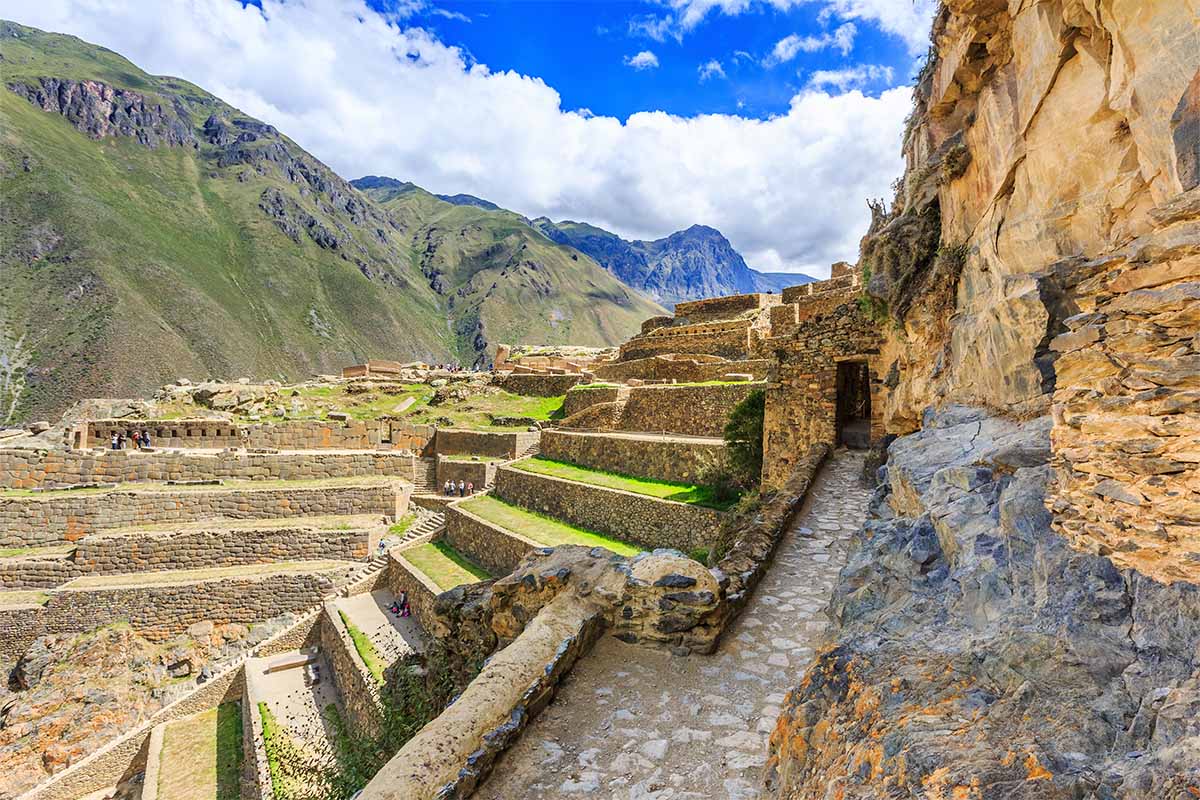
Ollantaytambo is, besides an archaeological site, a town: its cobblestone streets and water channels follow the original Inca urban layout, and many families live today in the same buildings as their ancestors. It is one of the few places in Peru where you can walk on an almost intact Inca urban layout.
The fortress of Ollantaytambo dominates the town from a hill of stepped terraces. It was both a ceremonial center and a defense point, and it stands out for the Temple of the Sun, built with pink stone blocks brought from a quarry located several kilometers away, a detail that continues to puzzle archaeologists due to the logistics it would have required.
-
Pisac
Pisac combines two attractions in the same place: its artisan market and its archaeological complex. The market, which operates every day in the town square (with a larger fair on Sundays), is one of the best places in the region to buy textiles, ceramics, and silverware at direct prices from the artisans.
In the upper part of the town is the archaeological site of Pisac, with curved agricultural terraces that adapt to the mountainside, plus ceremonial areas and an ancient Inca cemetery carved into the cliffs. The views of the valley from this point are among the most photographed in the area.
-
Chinchero
Chinchero is an Andean town at about 3,762 m.a.s.l., higher than Cusco, known for keeping traditional textile techniques alive. Several associations of local weavers offer live demonstrations of the whole process: from washing the wool with natural roots to dyeing it with inputs like cochineal, an insect that is raised on cacti and produces intense reddish tones.
The town also has a small archaeological site and a colonial church built on Inca foundations, with Andean-style mural paintings inside. Due to its altitude and rural atmosphere, Chinchero is usually included as a stop on the way between Cusco and Ollantaytambo, or as part of combined tours through the Sacred Valley.
4. Classic Inca Trail
The classic Inca Trail is the most famous trekking route in South America and the only way to reach Machu Picchu walking along original paths built by the Incas more than 500 years ago. It is not just a hike: it is an archaeological tour that goes through several Inca sites along the way, something that no other route offers.
The classic trek lasts 4 days and 3 nights, covers about 42 kilometers, and reaches its highest point at the Warmiwañusca pass (Dead Woman’s Pass), at 4,215 m.a.s.l. During the trip you pass through sites like Llactapata, Runkurakay, Sayacmarca and Wiñay Wayna, until finally reaching the Sun Gate (Inti Punku), from where you get the first view of Machu Picchu at sunrise.
Some key points for those considering this route:
- Limited spots: The Peruvian government allows a maximum of 500 people per day on the route (including guides and porters), so permits usually sell out 4 to 6 months in advance in high season.
- Only with authorized agency: You cannot do the Inca Trail on your own; it is mandatory to hire an agency certified by the Ministry of Culture.
- Annual closing: The route closes every day of the month of February for maintenance.
- Difficulty level: Moderate to high, mainly because of the altitude and the steepness of the second day.
Alternative routes: Salkantay and Lares
For those who cannot find a spot on the Inca Trail or are looking for a different experience, there are equally amazing alternatives, with the advantage of not needing to book so far in advance.
- Salkantay Trek
Considered one of the best hikes in the world by National Geographic, the Salkantay route goes through high mountain landscapes at the foot of the snowy Salkantay (6,271 m.a.s.l.), going from glacier zones to cloud forest in the same day. It is usually done in 4 or 5 days and has no spot limit, which makes it the most popular alternative to the Inca Trail. It is physically demanding, with a pass at 4,600 m.a.s.l., but it does not require walking on original Inca paths like in the classic Inca Trail. - Lares Trek
The Lares route is an option more focused on cultural encounters than on archaeology. It goes through traditional Andean communities where the locals keep their clothing, Quechua language, and textile customs, offering a closer look at rural life in the Peruvian highlands. It is a route of moderate difficulty, ideal for those looking to combine trekking with cultural immersion, and it is usually completed in 3 to 4 days, ending in Ollantaytambo to take the train to Aguas Calientes.
5. Nazca Lines, Ica
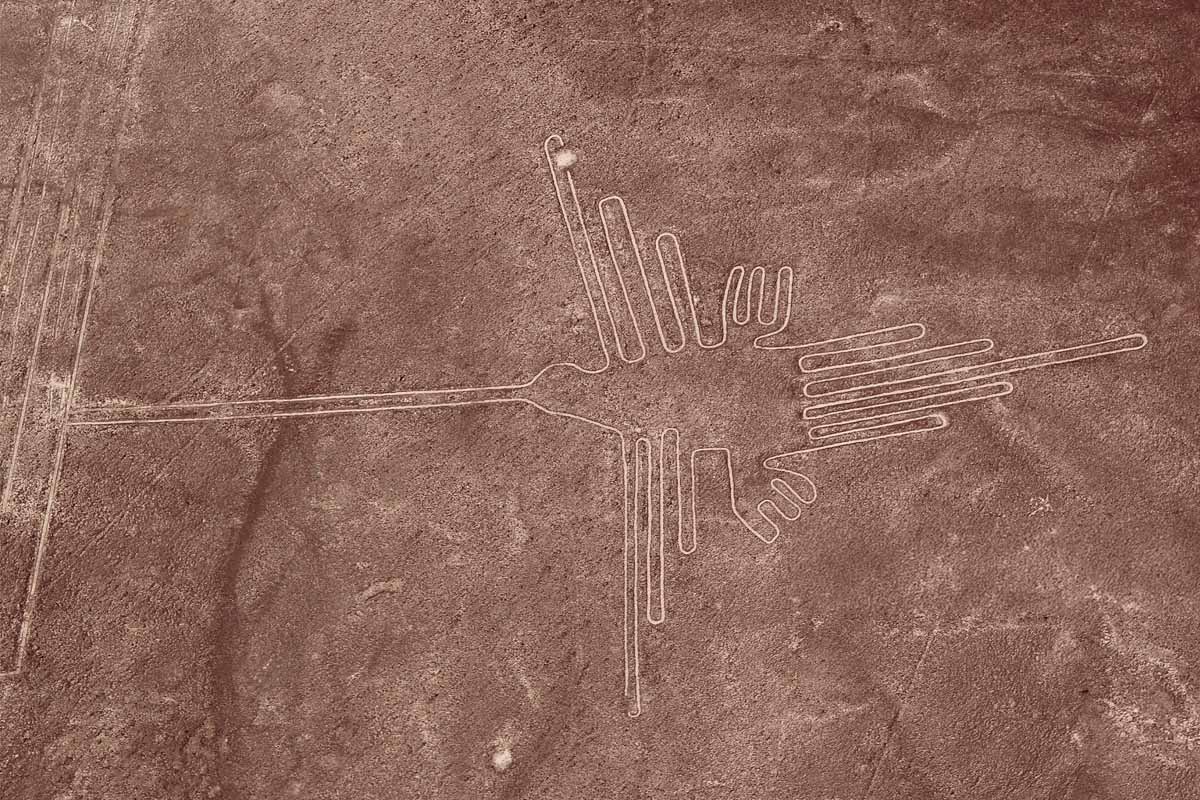
The Nazca Lines are one of the biggest archaeological mysteries in South America: hundreds of drawings traced on the Ica desert, some over 300 meters long, that show figures of animals, plants, and geometric shapes. Their size is so big that they can only be fully seen from the air, which has fed theories about their real purpose for decades.
Among the most known figures are the hummingbird, the spider, the monkey, the condor, and the tree, linked to the Nazca culture and made between 500 B.C. and 500 A.D. The most accepted theory by archaeologists is that they had a ceremonial purpose, possibly related to rituals to ask for water, although to this day there is no final explanation on how they were drawn with such exactness without an aerial view.
The most common way to visit them is a flight in a small plane from the Nazca or Ica airport, lasting about 30 to 45 minutes. There is also a land viewpoint on the South Pan-American Highway, a cheaper option that allows you to see some figures, although partially and less impressive than from the air.
Practical tip: The flights can be affected by the weather or cause motion sickness, so it is a good idea to book early in the morning and avoid eating heavy before the flight.
6. Colca Canyon, Arequipa
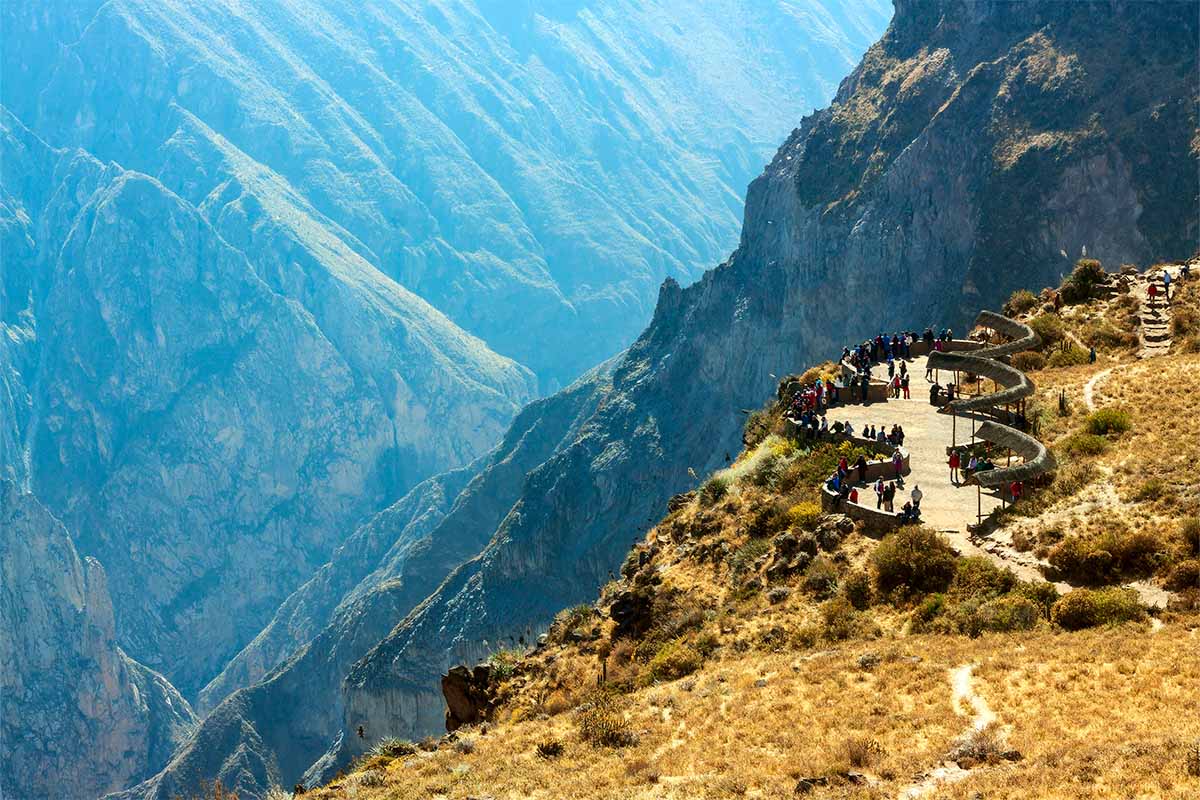
The Colca Canyon is one of the deepest canyons in the world, with a drop of about 3,270 meters in some parts, more than twice that of the Grand Canyon in Colorado. It is located about 3-4 hours from the city of Arequipa and combines high-altitude landscapes, traditional towns, and one of the best chances in South America to see condors in free flight.
Condor watching
The most famous spot to see condors is the Condor Cross (Chagchayllo Viewpoint), where the thermal currents of the canyon allow these birds, with a wingspan of up to 3 meters, to glide close to visitors barely flapping their wings.
The best times for watching are between 8:00 and 10:00 a.m., when the sun warms the canyon walls and creates the air currents that the condors use to rise. Because of this, most tours from Arequipa leave early in the morning to arrive at the viewpoint on time. The chance of a sighting is high all year round, although especially between May and December, during the dry season.
White City of Arequipa
Before or after visiting the canyon, most travelers pass through Arequipa, known as the “White City” because of the sillar, a light-colored volcanic stone used in much of its colonial architecture. Its historic center is a UNESCO World Heritage Site and stands out for:
- Main Square: surrounded by the Cathedral of Arequipa and colonial arches of white sillar.
- Santa Catalina Monastery: a true religious citadel within the city, with streets, squares, and colorful houses that can be explored like a small colonial town.
- View of volcanoes: Arequipa is flanked by three volcanoes, Misti, Chachani and Pichu Pichu, visible from several points in the city.
Arequipa is also known for its own food within Peruvian cuisine, with dishes like stuffed rocoto pepper and shrimp chowder, different from what you find in Lima or Cusco.
Most tours to the Colca leave from Arequipa on 2-day and 1-night trips, with an overnight stop in the town of Chivay before reaching the viewpoint at sunrise.
7. Lake Titicaca, Puno
Lake Titicaca is the highest navigable lake in the world, at 3,812 m.a.s.l., and one of the cradles of Andean mythology: according to Inca tradition, Manco Capac and Mama Ocllo, the founders of the empire, emerged from its waters. Shared between Peru and Bolivia, the Peruvian side is mainly visited from the city of Puno, and its biggest attraction is the communities that still live on its islands following traditional ways of life.
Uros floating islands
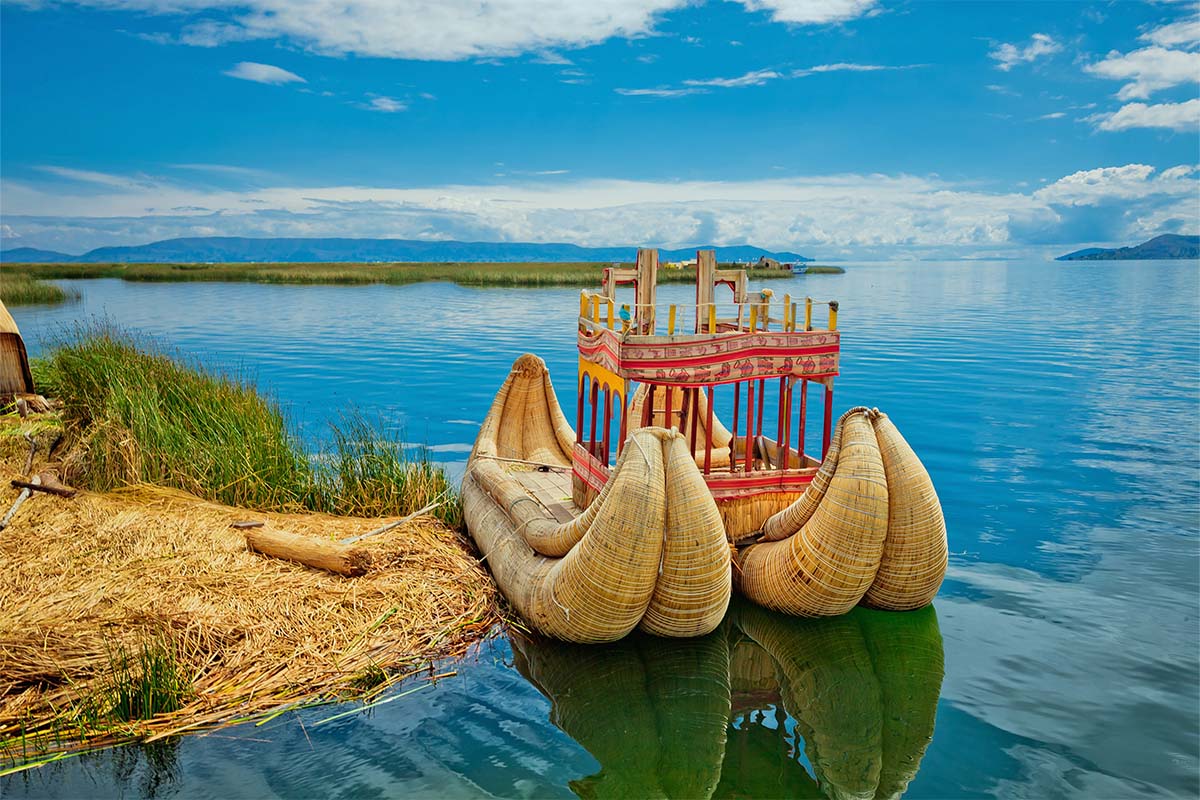
The Uros are artificial islands built entirely with totora, a water plant that grows in the lake. The families that live on them constantly renew the base of the islands, since the totora rots in the water, a technique that goes back centuries, when this people took refuge in the lake to avoid conflicts with other cultures.
Visiting the Uros allows you to see up close how these islands are built, as well as the houses, boats, and crafts made with the same material. They are about 30-40 minutes by boat from the port of Puno, which makes them the shortest and most accessible tour of the lake.
Taquile Island
Unlike the Uros, Taquile is a natural island, located about 3-4 hours by boat from Puno. Its people are known for a textile tradition declared Intangible Cultural Heritage of Humanity by UNESCO: in Taquile, it is the men who weave, and the design of each piece of clothing shares social information, such as the marital status of the person wearing it.
The island has no vehicles or general electricity, and its stone paths cross farming terraces overlooking the lake. Many tours combine Uros and Taquile in a full-day trip, which usually includes a typical lunch prepared by local families.
Practical recommendation: The altitude of Puno is higher than that of Cusco, so it is a good idea to arrive already used to the altitude or take it easy the first day to avoid soroche (altitude sickness).
8. Lima: food capital
Lima is usually the gateway to Peru because of its international airport, but more and more travelers are dedicating full days to it instead of using it just as a layover. It is the only capital in South America located facing the Pacific Ocean, and it has been repeatedly recognized among the best food cities in the world, with several Lima restaurants appearing in the most important international rankings.
Historic center
The historic center of Lima, a UNESCO World Heritage Site, keeps the colonial urban layout drawn by the Spanish in the 16th century. The Main Square is its central point, surrounded by the Government Palace, the Lima Cathedral, and the Archbishop’s Palace, with carved wooden balconies that are typical of the Lima architecture of the time.
A few blocks away is the San Francisco Convent, famous for its underground catacombs, where it is estimated that thousands of people were buried during the colonial era. Walking through the center also allows you to see the Casa de Aliaga, one of the oldest colonial houses in South America that is still inhabited by the same family since it was founded.
Barranco and Miraflores
Barranco is the bohemian and artistic neighborhood of Lima, known for its streets with murals, galleries, and the iconic Bridge of Sighs, over which there is a tradition to cross it without breathing while making a wish. At night, it is also the center of Lima’s nightlife, with bars and Creole music venues.
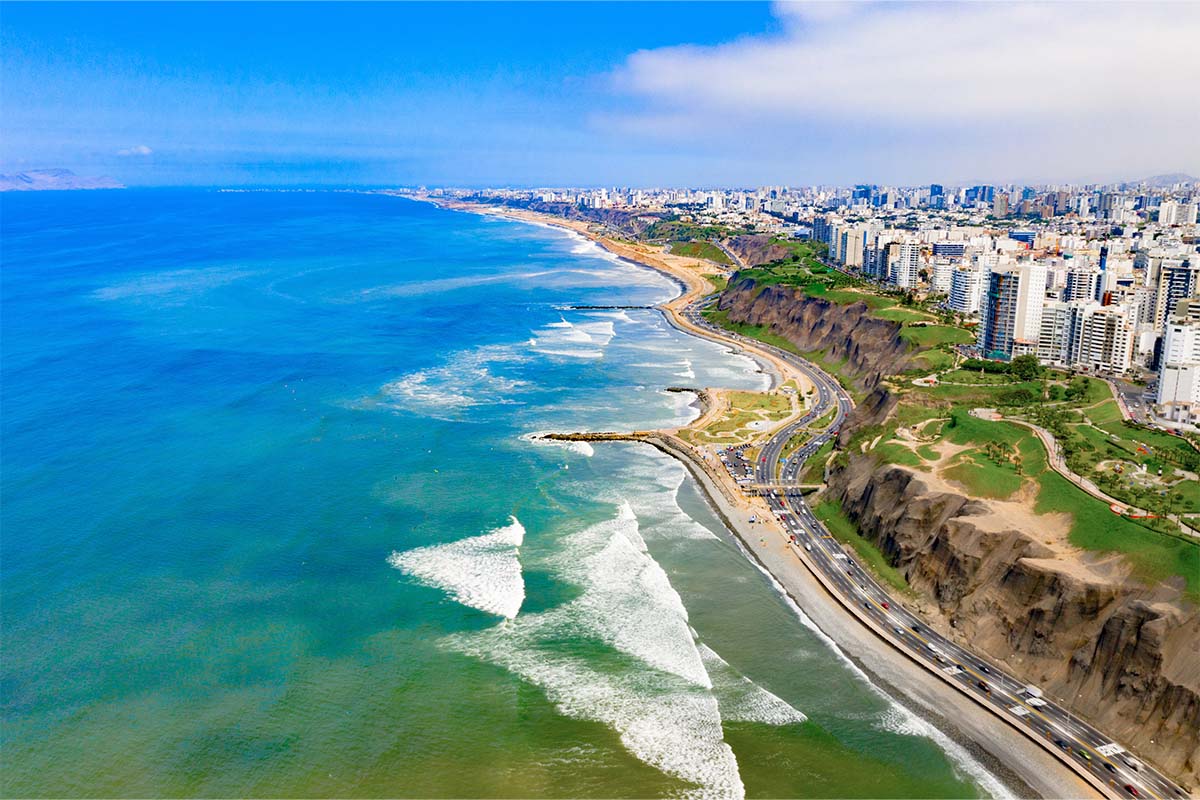
Miraflores, on the other hand, is the tourist district par excellence: the Miraflores Boardwalk runs for several kilometers along cliffs facing the sea, with parks, bike paths, and viewpoints at sunset. There you will also find the Park of Love, overlooking the ocean, and the Larcomar shopping center, built directly on the cliff.
Both districts also gather a large part of the city’s high-level food options, from traditional ceviche places to signature restaurants, which makes them the ideal base for those who want to explore Lima on foot.
9. Peruvian Amazon jungle
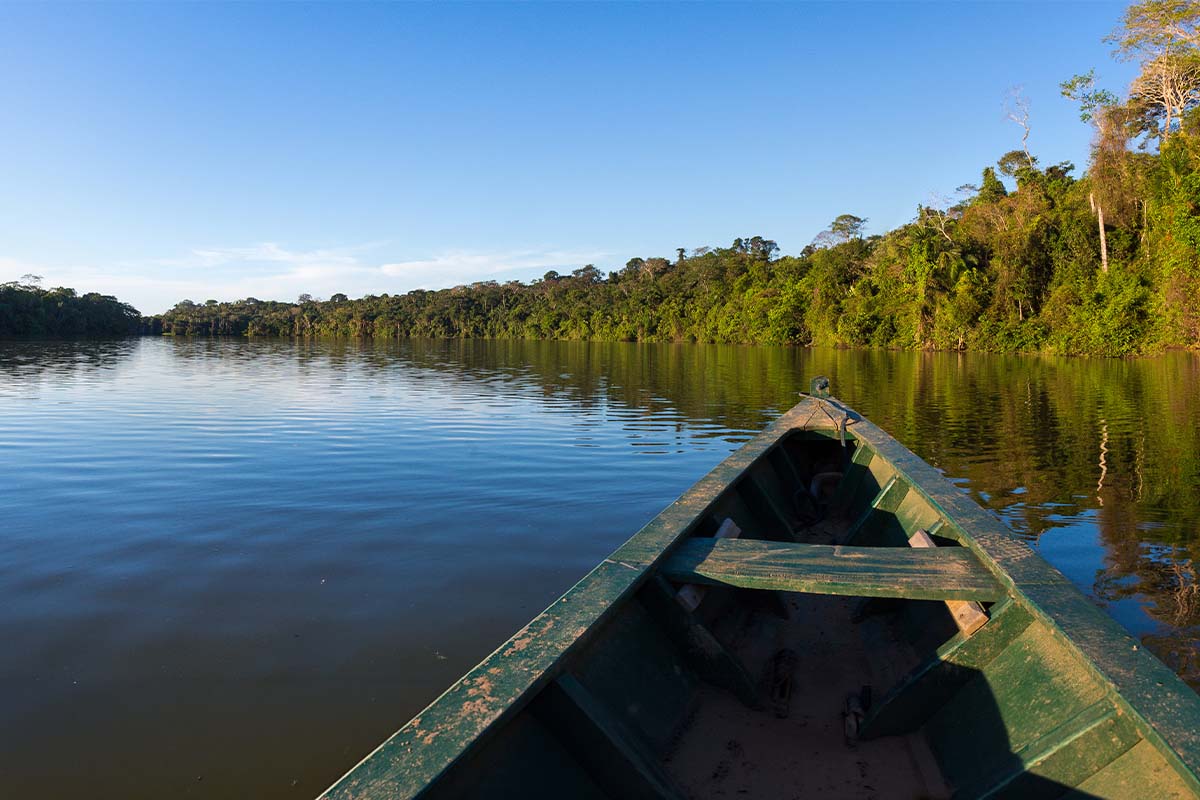
Peru holds about 13% of the Amazon, and it is one of the countries with the most biodiversity on the planet thanks to this piece of jungle. Unlike the Andean destinations, the Amazon experience revolves around the wildlife, the rivers, and the indigenous communities, with two main gateways depending on the region of the country you travel from: Iquitos, in the north and Puerto Maldonado, in the southeast.
Iquitos and Pacaya-Samiria Reserve
Iquitos is the largest city in the world with no road access; you can only get there by plane or sailing on the Amazon River, which gives it a completely isolated character from the rest of the country. From there, tours depart to the Pacaya-Samiria National Reserve, known as the “jungle of mirrors” because of the reflections created by its rivers and lagoons.
Pacaya-Samiria is one of the largest protected areas in Peru and offers one of the best chances for spotting Amazon wildlife in the country: pink dolphins, macaws, monkeys, caimans, and, with luck, the sloth or the Amazon manatee. Visits are usually done in boat expeditions lasting several days, with nights in lodges or equipped boats, since the reserve is located several hours of sailing from Iquitos.
Puerto Maldonado and Tambopata
Puerto Maldonado, in the Madre de Dios region, is the most accessible gateway to the Amazon for those traveling from Cusco, with short flights of just 30 minutes. It is the base for visiting the Tambopata National Reserve, one of the destinations with the highest concentration of biodiversity per square meter on the planet.
The most famous attraction in the area is the macaw clay lick, a clay wall where hundreds of macaws and parrots gather every morning to consume minerals from the soil, in a show of color and sound that attracts photographers from all over the world. The reserve also has observation towers above the forest canopy and lakes like Sandoval, where it is possible to see giant river otters, an endangered species.
Unlike Iquitos, Puerto Maldonado allows for shorter stays (2-3 days) thanks to the closeness of the lodges, which makes it the most popular option to combine with a trip to Cusco and Machu Picchu.
10. Rainbow Mountain (Vinicunca)
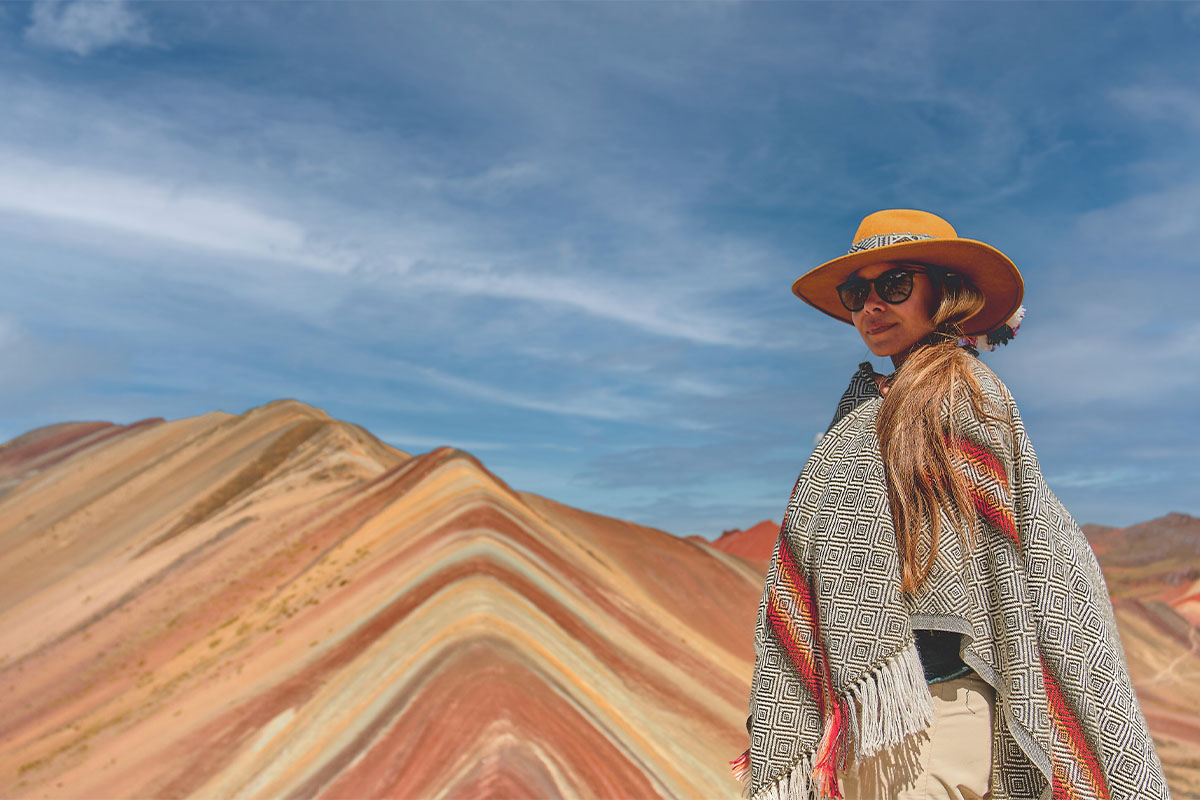
Vinicunca, popularly known as Rainbow Mountain, is one of the destinations that has grown the most in popularity in recent years, driven mainly by its presence on social media. Its stripes of red, yellow, green, and lilac are the result of sedimentary minerals exposed by erosion and melting ice, a geological phenomenon that remained covered in snow until a few decades ago.
It is located about 3 hours by car from Cusco, in the Cusipata region, and the trek to the main viewpoint takes between 1 and 2 hours going up, reaching 5,036 m.a.s.l. at the highest point. It is a short walk in distance, but demanding due to the altitude, and those who prefer to avoid the effort can rent horses until close to the top.
Some practical facts for those who visit it:
- Best time: Leave Cusco very early (3:00-4:00 a.m.) to reach the viewpoint before the large groups and avoid clouds that cover the colors.
- Acclimatization: It is not recommended as a first activity in Cusco; it is a good idea to have spent at least 2-3 days in the city before going up.
- Weather: Temperatures can drop below 0°C in the early morning, so it is key to wear warm clothes in layers.
- Nearby option: Palccoyo, a valley with similar colored formations but at a lower altitude and with a shorter walk, ideal for those looking for a less demanding option.
The visit is usually done on a full-day tour from Cusco, without an overnight stay, since there are no tourist services in the mountain area itself.
How many days do you need to see the best places in Peru?
The answer depends a lot on how many of these destinations you want to include in your trip, but as a general reference, a route that combines the most important places in the country (Cusco, Machu Picchu, the Sacred Valley and at least one extra destination like Colca or Titicaca) usually needs between 10 and 14 days to be done without rushing.
If your time is more limited, it is possible to prioritize. A 7-day trip allows you to cover the essentials: Cusco, Sacred Valley and Machu Picchu, with some room to get used to the altitude. On the other hand, if you also want to see the coast (Lima, Nazca), the south (Arequipa, Colca) and the jungle, it is a good idea to think of a 15-day itinerary or more, especially because internal transfers between regions (whether by bus, train or plane) can take several hours of the day.
Some factors that change the ideal trip length a lot:
- Including the Amazon jungle: adds at least 3-4 extra days, keeping in mind the transfers to Iquitos or Puerto Maldonado.
- Doing a multi-day trek (Inca Trail, Salkantay or Lares) instead of getting to Machu Picchu by train.
- Getting used to the altitude: Cusco, Puno and Colca are all above 3,400 m.a.s.l., so it is a good idea not to string together too many demanding activities in the first days.
- Time of the year: in high season (June-August) it is recommended to add extra buffer days, since trains and tickets to Machu Picchu sell out further in advance.
If you want to put together a day-by-day itinerary depending on the time you have available, in our complete guide How many days do you need to travel to Peru? you will find detailed ideas for 7, 10 and 15-day trips, including which combinations of destinations make the most sense depending on the route.
Frequently asked questions
- What is the best time to travel to Peru?
The dry season, between April and October, is the most recommended for most Andean destinations like Cusco, Machu Picchu, and the Sacred Valley, since it offers clear skies and less rain. June and August are the months with the largest tourist crowds, so it is a good idea to book in advance. If you prefer to avoid crowds and do not mind some rain, the months of April, May, September, and October are a good middle ground between good weather and fewer tourists. - Is it necessary to hire a tour to visit Machu Picchu?
It is not mandatory, although it is mandatory to enter with an authorized guide inside the citadel, according to the current rules of the Ministry of Culture. It is possible to organize the trip on your own (buying tickets, train, and bus separately) and hire only the guide upon arrival, or book a full tour that includes all transfers. The exception is the classic Inca Trail, which must be done exclusively with an authorized agency from start to finish. - How much does a trip to Peru cost?
The budget varies a lot depending on the travel style. A budget trip, with hostels, ground transport, and local food, can cost between 40 and 60 dollars a day. A mid-range trip, with 3-4 star hotels and some guided tours, is around 100 to 150 dollars a day. Luxury trips, with boutique hotels, domestic flights, and higher-category trains, can be over 300 dollars a day. To this you have to add fixed costs like the entrance to Machu Picchu (from about 48 dollars) and the train or plane tickets between cities. - What places in Peru are UNESCO World Heritage Sites?
Peru has several sites recognized by UNESCO, among them the Historic Sanctuary of Machu Picchu, the historic center of Cusco, the historic center of Lima, the Nazca Lines, the Manu National Park, the Huascaran National Park, the sacred city of Caral-Supe, and the historic center of Arequipa. Also, traditions like the textile art of Taquile and the scissors dance are recognized as Intangible Cultural Heritage. - Do you need to get used to the altitude to visit Cusco and the Colca Canyon?
Yes, it is recommended. Cusco is at 3,400 m.a.s.l. and the Colca is over 3,600 m.a.s.l. in several points, so it is common to feel mild symptoms of soroche (altitude sickness) the first few days, like a headache or tiredness. It is advised to arrive with at least one day of rest before demanding activities, avoid alcohol the first 24 hours, drink coca tea and stay well hydrated. - What is the official currency and can you pay with dollars?
The official currency is the Peruvian sol (PEN). In tourist areas like Cusco, Lima, or Aguas Calientes it is common for them to accept dollars in cash, although the exchange rate is usually less favorable than paying in soles. It is recommended to bring cash in soles for markets, local transport, and small towns, since cards are not always accepted outside the main cities.