
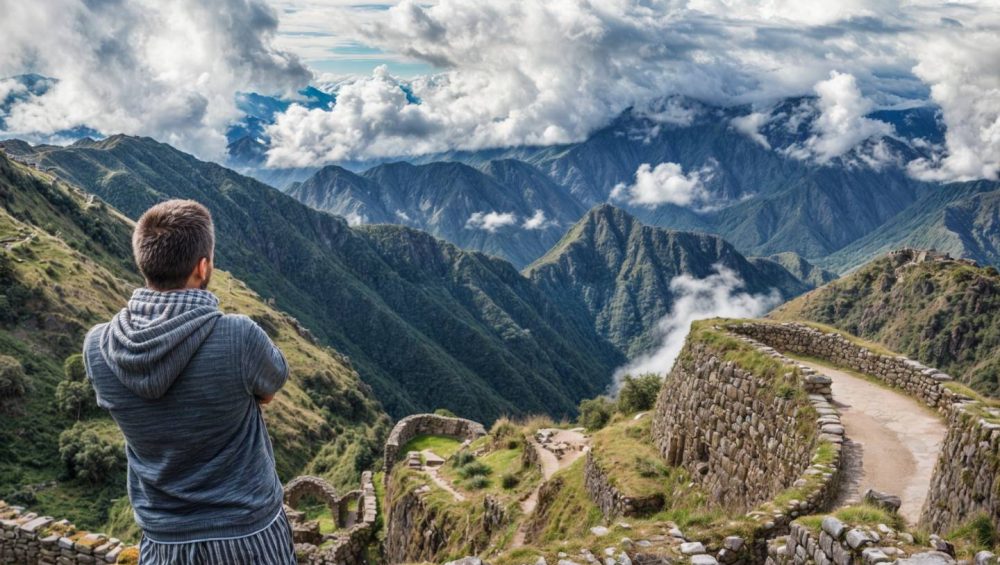
If you plan to hike to Machu Picchu but cannot decide between a short route or a trip of several days, we are here to help you clear all your doubts. To start, deeply understanding the differences of the 2 day Inca Trail vs 4 day is an important step to design your next adventure vacation in Peru, ensuring that the chosen itinerary fits perfectly with your pace and physical expectations. Therefore, if you often ask yourself Is the Inca Trail worth it?, the answer is a big yes; from our experience, we know that both expeditions will lead you to the majestic citadel, but they will offer completely different experiences, landscapes, and logistical challenges.
On one hand, the Classic Inca Trail (4 days) is the most popular and promoted option, requiring you to walk 43 kilometers along a panoramic route that crosses breathtaking mountain passes and four impressive archaeological sites: Phuyupatamarca, Wiñaywayna, Intipata and the wonder of the world. On the other hand, there is the Short Inca Trail (2 days), which is an excellent alternative for those looking for an equally unforgettable experience but with less physical effort, consisting of a 15-kilometer walk that allows you to appreciate the beauty of Wiñaywayna and Intipata before entering the citadel through the Sun Gate.
Below, we analyze the main differences regarding difficulty level, landscapes, and operational logistics so you can choose with total confidence the best hiking option toward the heart of the Inca empire.
The hike through the Inca Trail: The start of the adventure
For many explorers, walking the ancient Inca path represents the highlight of a trip to the majestic Andean region. Likewise, although there are much faster and more comfortable transport alternatives by train or car, absolutely nothing compares to the incredible feeling of moving step by step along the most famous hiking route in all of America.
Therefore, understanding the general context of this ancient journey is the first step before evaluating the 2 day Inca Trail vs 4 day, allowing you to visualize the huge physical and emotional challenge of entering the wild landscapes of the Peruvian highlands. Additionally, by being accompanied by an excellent team of guides, cooks, and porters, you can focus completely on discovering the ancient fortresses hidden among the sacred mountains without logistical worries.
The start of the adventure: From the capital to the Andes
Your trip will begin after flying from Lima, the capital of Peru, to the historic city of Cusco. Located at about 3,400 meters of altitude, this imperial city is the mandatory starting point for all expeditions entering the Sacred Valley.
Recommendation: Spend two to three days in the city before starting the hike. This will not only allow you to adapt properly to the altitude to avoid altitude sickness, but also to explore the Inca architecture and prepare yourself physically and mentally for the effort of reaching kilometer 82, where the trail officially starts.
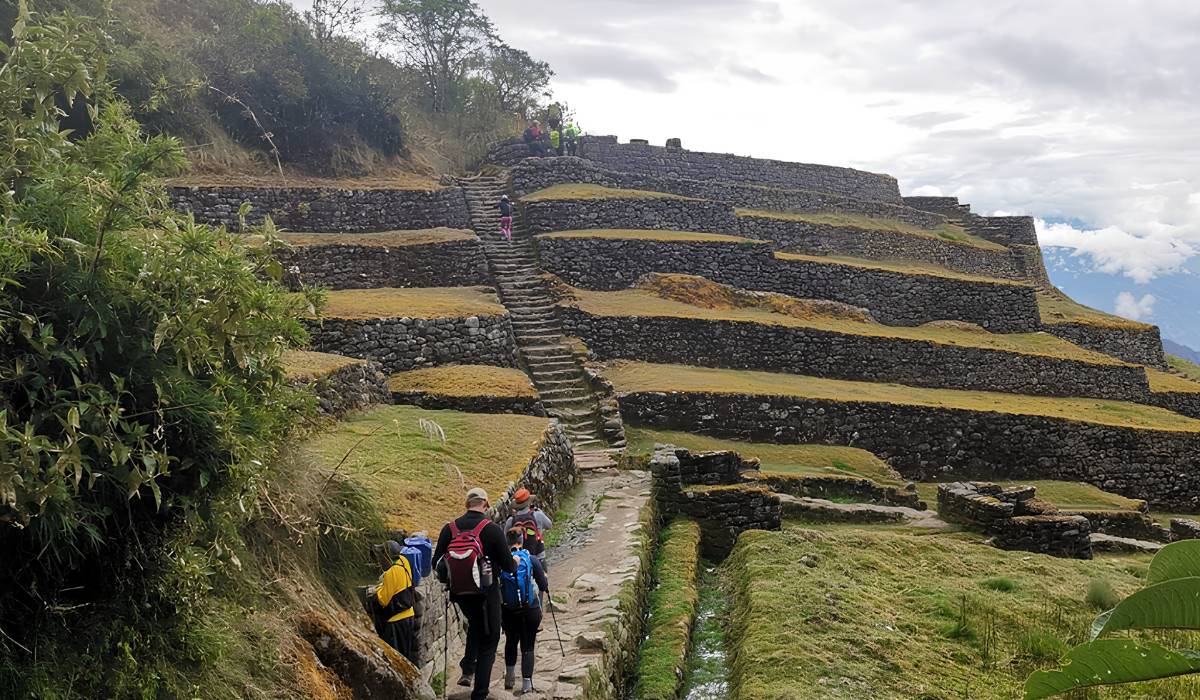
During the expedition, you will walk trails that cross beautiful cloud forests and original ancient stone stairs. The effort of traveling through this long and rocky route has its reward at the end of the day: reaching the Inti Punku. From this strategic viewpoint, the panoramic view of the citadel at sunrise is established as one of the most rewarding and overwhelming experiences any traveler can live.
Logistical planning and ideal season
Choosing the right time of the year is crucial to guarantee your entry to this wonder of the world:
- Annual maintenance: Keep in mind that in the month of February the trail is closed completely for government conservation and maintenance work. The hiking season is open from March to January.
- June, the epicenter of traditions: If you decide to travel during this month, you can live a complete cultural immersion by booking the Inti Raymi Tour (June 24), the ancient sun festival and the most important celebration of the Incas.
- Adventure extensions: To complete your vacation, we strongly recommend adding the Palccoyo Mountain Tour, an incredible alternative to the traditional rainbow mountain that offers spectacular views without dealing with the crowds.
What is the difference between the 4 day and 2 day Inca Trail?
Before going into comparisons, remember that, due to the very high global demand and the strict capacity limits, it is essential to book your tour several months in advance to secure your spot and government entry permits. To decide which route to choose, it is fundamental to know the details of each one; below, we will analyze in depth the full experience of the traditional route versus its short version.
The Classic Inca Trail (4 days and 3 nights)
Starting the Classic Inca Trail of 4 days and 3 nights is the perfect expedition for mountain and ancient history lovers. This version represents a fascinating challenge that tests the traveler’s endurance while allowing them to see the beautiful landscapes of the Peruvian Andes. Therefore, when evaluating the 2 day Inca Trail vs 4 day, and choosing this demanding journey, you will be able to camp under a starry sky and walk the same route that Inca engineers built centuries ago.
The physical effort of walking for multiple days is widely rewarded by being able to explore exclusive archaeological sites that are impossible to access by any other commercial way. Also, overcoming the imposing peaks of this historic route establishes this walk as one of the best in the world.
Logistics, challenge and critical points of the route
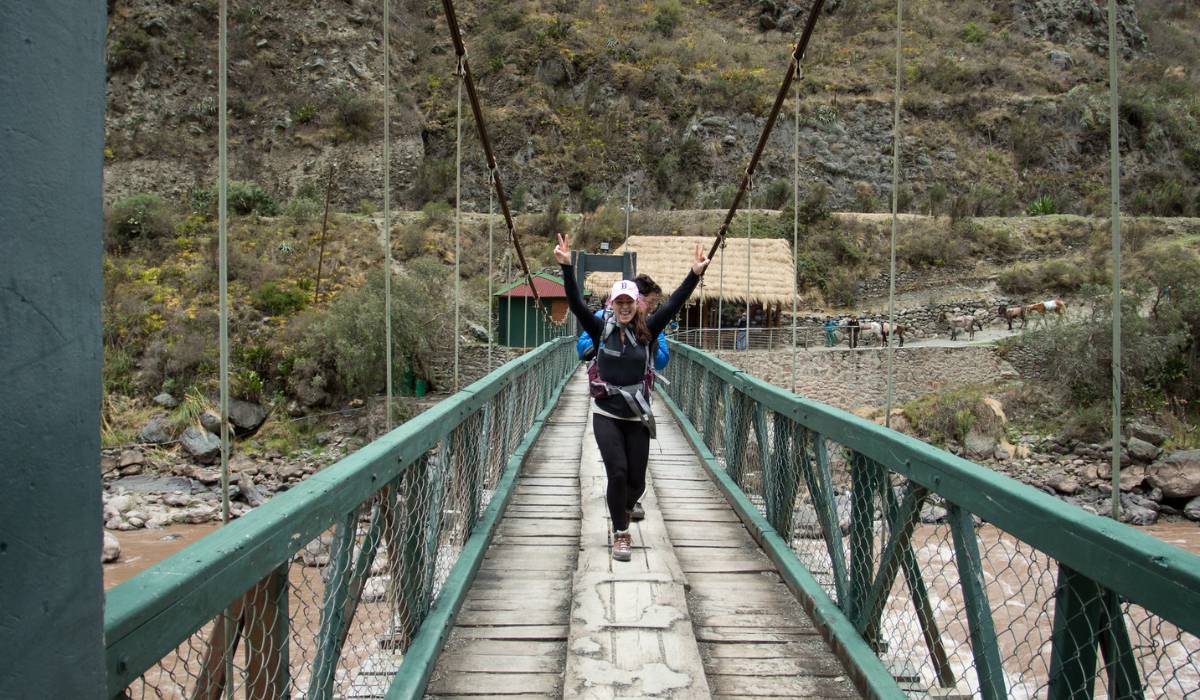
- Logistics and support team: You will walk accompanied by a professional guide, an expert cook in charge of preparing fresh and nutritious food to regain your energy, and a brave team of porters who will carry all the heavy camping equipment (tents, kitchen tools, and sleeping bags).
- The physical challenge: The average walk requires between 7 and 8 hours of activity daily. The terrain is an impressive combination of original cobblestones, Inca tunnels, and landscapes that vary dramatically from the humid cloud forest to the thick subtropical jungle.
- Critical point (The biggest challenge): The second day is undisputedly the most demanding, as you must climb the feared Warmiwañusca Pass (Dead Woman’s Pass), reaching a breathtaking altitude of 4,215 meters (13,828 feet).
Exclusive attractions included in this route
Throughout the 42 kilometers of the journey, you will have the privilege of visiting archaeological complexes that cannot be accessed in any other way:
- The ruins of Patallacta and the Wayllabamba valley.
- The imposing Warmiwañusca Pass (the highest point of the hike).
- The guard fortresses of Runkurakay and Sayaqmarca.
- Phuyupatamarca (magically known as “the city above the clouds”).
- The beautiful agricultural terraces of Wiñay Huayna and, finally, the Inti Punku (Sun Gate).
Frequently asked questions about the Classic Inca Trail
- Is the hike difficult? Yes, it is considered a high-level challenge. The trail involves climbing from 2,300 meters up to 4,215 meters, followed by very steep descents down ancient stone stairs and a second big climb toward 3,680 meters.
- How long is it and what distance does it cover? The total distance covers 42 kilometers (26 miles) strategically spread over 4 days. The absolute key to completing it successfully is prior acclimatization; it is recommended to spend at least two full days in Cusco before starting the adventure.
- Is the effort really worth it? Without a doubt. It is considered the most beautiful hiking route in Peru and the world. It is part of the Qhapaq Ñan (Great Inca Road), the extensive network of roads that integrated the entire empire. The final reward of seeing Machu Picchu after days of effort is unmatched.
2 Day Inca Trail to Machu Picchu
If you have little time or are looking for a less physically demanding experience, the short version of this expedition is the ideal option for your vacation. Likewise, this express route allows you to enjoy the true essence of the historic path without the need to camp for several consecutive nights in the rough mountain. Therefore, when evaluating the 2 day Inca Trail vs 4 day, the scale usually tips toward this moderate-paced alternative if you wish to balance the excitement of the hike with greater logistical comfort throughout your journey.
Exploring this beautiful final stretch guarantees contact with the lush Andean ecosystem and the most impressive archaeological complexes before reaching the citadel. Additionally, the physical effort is considerably reduced by traveling through much more manageable altitudes, allowing you to focus all your attention on photography and Inca history. Below, we will break down the logistics, landscapes, and exclusive attractions of this journey, showing why it is one of the options requested by travelers.
Logistics, challenge and landscapes of the short route
- Logistics and accommodation: Unlike the long route, here you have the flexibility to choose between spending the night connecting with nature in a campsite (Puente Ruinas) or enjoying the absolute comfort of a hotel in the town of Aguas Calientes.
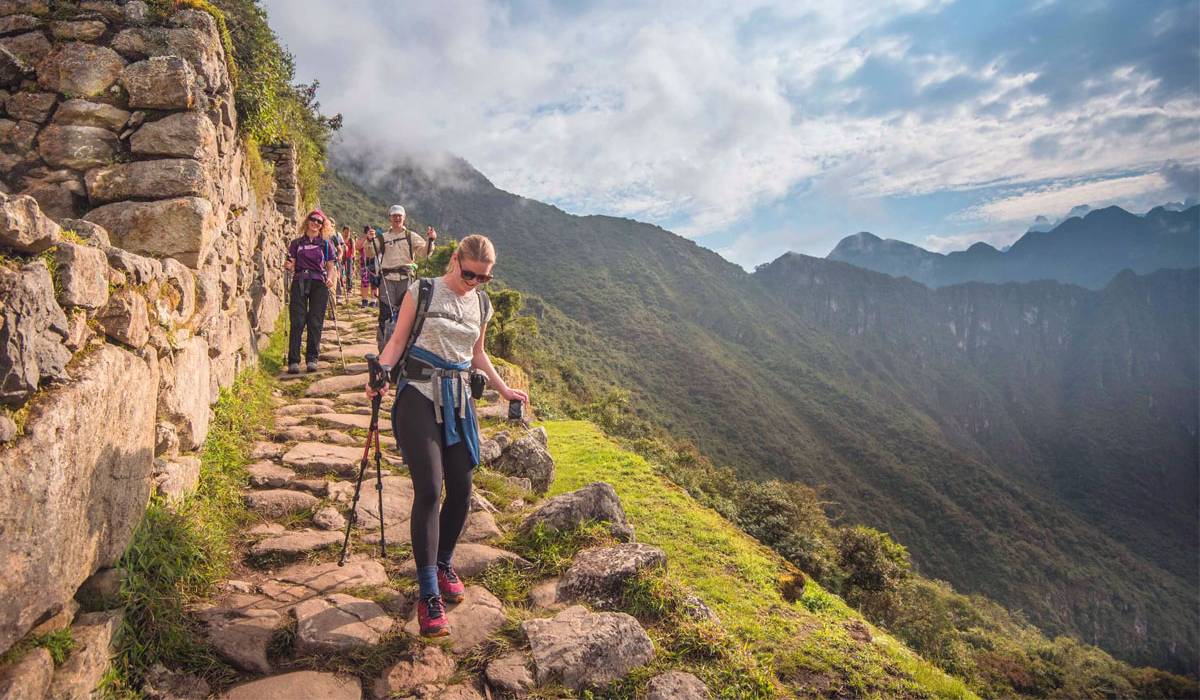
- The physical challenge: It is considered a moderate-level hike. On the first day, the effort will be approximately 8 hours of constant travel, while the second day consists of a short and exciting 1 hour and 30 minute climb directly toward the Inca citadel.
- Nature and landscapes: You will walk through the lush vegetation of the cloud forest, an ecosystem rich in biodiversity where it is very possible to see exotic birds, such as the colorful Andean guan and the gray-breasted mountain toucan, as well as a great variety of beautiful endemic wild orchids.
Attractions included in this express route
Despite its short duration, this compact 12 kilometer (7-mile) stretch holds fascinating archaeological treasures that you cannot miss:
- Chachabamba: The first and important archaeological point that will welcome you to the route.
- Wiñay Huayna: An absolutely impressive architectural complex whose name in Quechua means “Forever Young”.
- Intipata: Huge agricultural terraces that offer panoramic and spectacular views of the Urubamba river.
- Inti Punku (Sun Gate): The great and historic entrance from where you will see the wonder of the world for the first time.
Frequently asked questions about the Short Inca Trail
- How long is it and what is the distance? The hike covers a total of 12 kilometers (7 miles). It is a fairly manageable distance that is completed mainly during the first day’s journey.
- Do I need to acclimatize beforehand? Unlike the challenge of the classic route, it is not strictly necessary to spend several days on prior acclimatization, since most of the journey takes place at a lower altitude, which drastically reduces the risk of suffering the feared altitude sickness.
- Is it worth choosing the short route? Without a doubt! It is an original stretch of the classic path that brings together the best of the flora, fauna, and enigmatic Inca archaeology. It is the perfect and definitive alternative for those who want the privilege of arriving on foot through the Sun Gate without the exhaustion of a high-mountain expedition.
Comparison chart: 2 day Inca Trail vs 4 day
Making the final decision for your next big adventure in the Andes requires evaluating all the logistical and physical details at a single glance. Likewise, the great resolution of the debate between the 2 day Inca Trail vs 4 day is strictly based on your travel goals, the time you have available, and your experience level traveling the rough mountain. Therefore, analyzing both itineraries side by side will allow you to clear any remaining doubts and take the final step toward booking your expedition with total conviction and safety.
Choosing between these two magnificent routes is the start of an experience that will forever transform your perspective on nature and Andean history. Additionally, no matter which path you decide to walk, you should know that the reward of crossing the Sun Gate will absolutely exceed all your expectations. Below, we present this comparison chart, designed as your tool so you can discover which of these wonderful options fits perfectly with your adventurous spirit.
| Feature | Classic Inca Trail (4 Days) | Short Inca Trail (2 Days) |
| Total Distance | 43 km (26 miles) | 12 km (7 miles) |
| Difficulty Level | High / Challenging | Moderate / Accessible |
| Maximum Altitude | 4,215 m (Warmiwañusca / Dead Woman’s Pass) | 2,730 m (Wiñay Huayna) |
| Prior Acclimatization | Strictly mandatory (2 to 3 days in Cusco) | Recommended, but not mandatory |
| Accommodation Type | 3 nights of high-mountain camping | 1 night in a hotel (Aguas Calientes) or base camp |
| Exclusive Attractions | Patallacta, Runkurakay, Sayaqmarca, Phuyupatamarca | Chachabamba |
| Shared Attractions | Wiñay Huayna, Intipata, Inti Punku (Sun Gate), and Machu Picchu | Wiñay Huayna, Intipata, Inti Punku (Sun Gate), and Machu Picchu |
| Ideal Traveler Profile | Intense trekking lovers seeking total immersion in nature who do not mind sacrificing comfort. | Travelers with limited time, families, or those seeking the essence of the trail with less physical strain. |
Alternative routes to the Inca Trail
There are many routes that lead you to Machu Picchu, but none like the Inca Trail, the most famous hiking route in America. After flying from Lima, the capital of Peru, you will arrive in Cusco to walk for four days along a path that crosses forests and dense mist, ancient stone steps, and discovers ruins of old Inca fortifications and cities, enjoying majestic views at all times.
- Salkantay Trek to Machu Picchu
- 2 day excursion along the Inca Trail
- 3 day Inca Trail
- Choquequirao Trek to Machu Picchu
If you wish to visit Machu Picchu, we recommend booking your entry in advance so you can enjoy your Machu Picchu vacation without any problems.
What is the best time for hiking to Machu Picchu?
The best time is during the dry season, which covers from April to late September. In October the rains begin and Machu Picchu can be covered in clouds. If you travel in June, we recommend booking the Inti Raymi Tour 2026, which takes place on June 24, and also doing the excursion to Palcoyo Mountain, an incredible rainbow mountain located in the Andes.